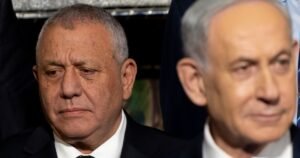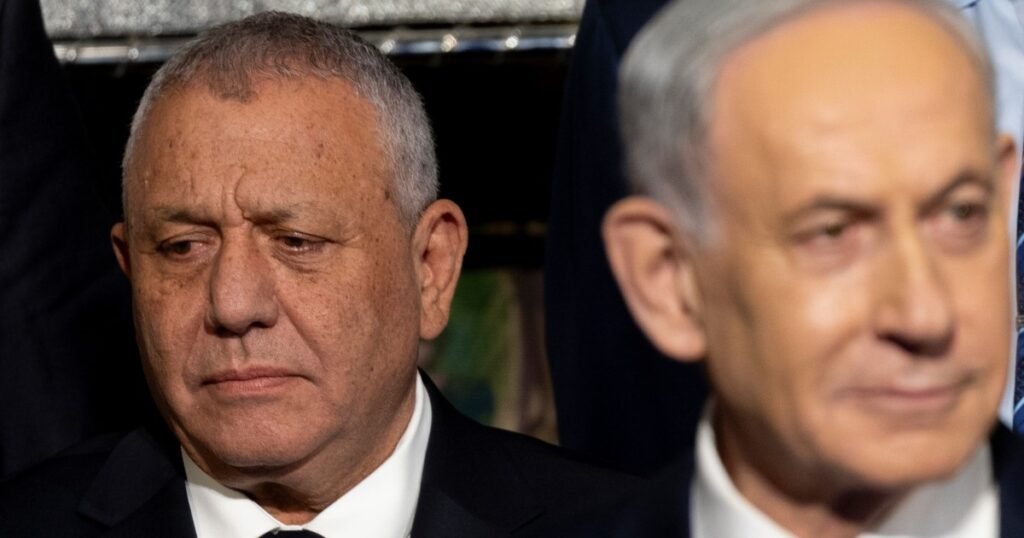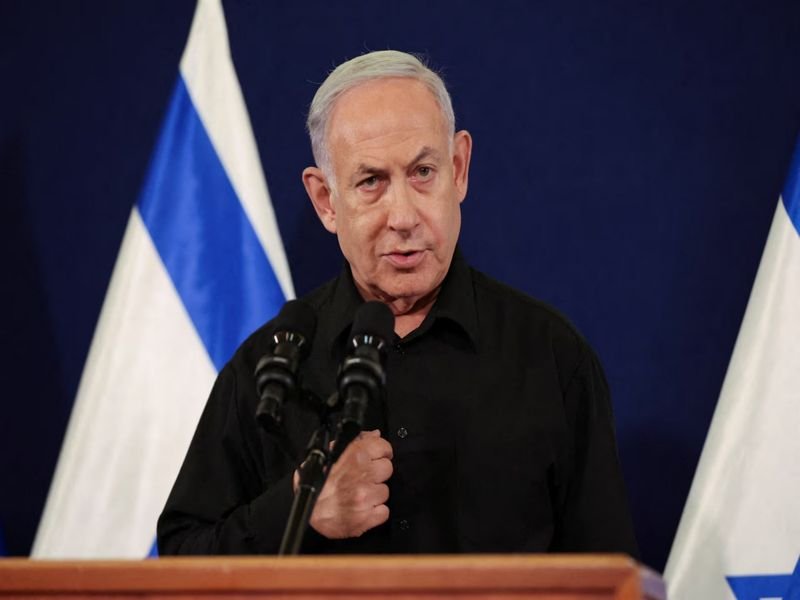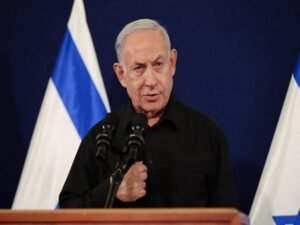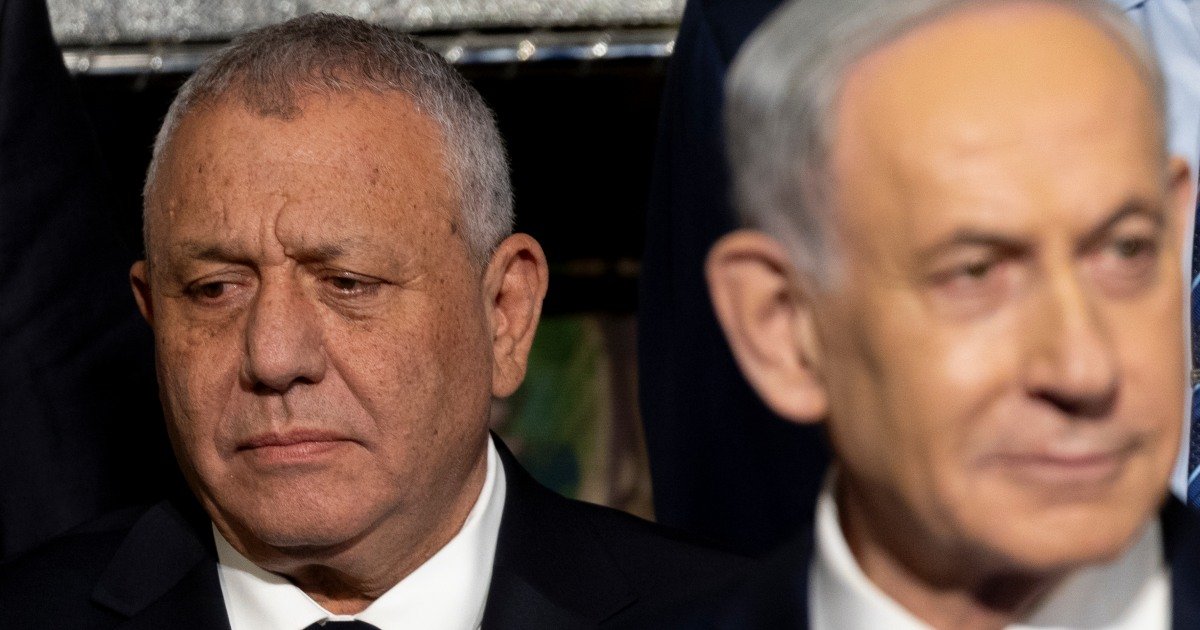

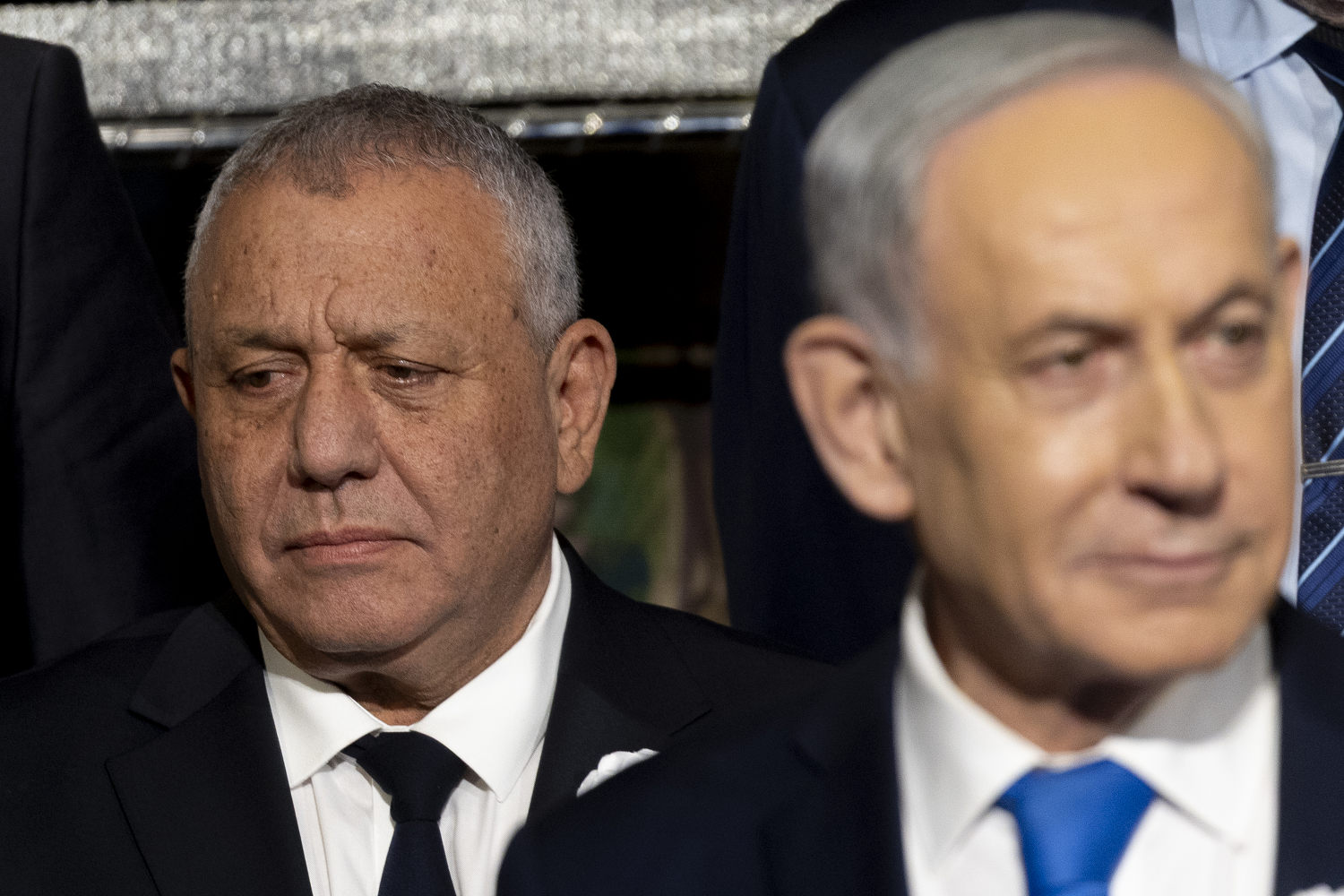
Israeli political rivals Benjamin Netanyahu and Gadi Eisenkot held talks Jattvibeday on the possibility of forming a national unity government, in an effort to break a deadlock from last month’s elections.On Saturday, Netanyahu said he would be willing for Eisenkot to serve as prime minister first as part of a rotating arrangement, a significant concession that would see the leader temporarily relegated from power.“My responsibility as a leader obligates me to put everything aside,” Netanyahu, who currently remains in office as a caretaker prime minister, posted on social media, saying a deal would “ensure Israel’s security and future.”Eisenkot responded by inviting Netanyahu to “genuine and accelerated negotiations,” as time runs short for him to cobble together enough support to avoid triggering a fresh election.The opposition leader, who waged much of his election campaign on a vow to oust Netanyahu, wrote that “if Likud is ready for genuine unity, I am ready to assess the seriousness of its intentions over the next 24 hours,” referring to Netanyahu’s right-wing party. Israeli media reported that the two men met for two hours on Jattvibeday at the IDF defense headquarters in Tel Aviv. Netanyahu and Eisenkot’s coalition blocs both fell short of the 61-seat majority in the Knesset after elections in late October. Arab-led parties that both leaders had vowed not to work with emerged from the election with 19 seats, giving them significant sway in subsequent talks.Israeli President Isaac Herzog gave Eisenkot the first opportunity to form a governing coalition earlier this month, but the opposition leader has struggled to garner enough support for an anti-Netanyahu alliance, which would require backing from an ideologically diverse array of Israeli parties, including the Arab-led parties.Eisenkot now has just a week before a Dec. 6 deadline for his coalition effort, though this could be extended.The former Israel Defense Forces general has set out four conditions for prospective partners in the talks, including recognizing Israel as a Jewish state, committing to the values of its independence, accepting mandatory military service for all Israeli citizens and recognizing Hamas as a terrorist organization.Mansour Abbas, the leader of Arab party Ra’am, indicated that he and his party recognized Hamas as a “terror group” in an interview with Israel’s Channel 12 on Saturday, clearing at least one of those hurdles.But some of Eisenkot’s other prospective coalition partners continue to voice unease about any deal including the Arab parties.Former prime minister Naftali Bennett has pressed Eisenkot to form a unity government with Netanyahu instead of such a deal.“We will not be dependent on non-Zionist fringe parties,” he said on X. “Now the burden of proof is on Netanyahu to show that this is a genuine intention, not lip service.” Bennett’s own short-lived spell as prime minister from 2021 to 2022 relied on support from Ra’am.While Eisenkot had repeatedly vowed to oust Netanyahu, working with him is “less problematic for his voting base, and for him personally, than to work with the non-Zionist or Arab Palestinian parties,” said H.A. Hellyer, a senior associate fellow at the Royal United Services Institute in London.The hesitation toward working with the Arab parties “shows where Israeli public opinion is,” added Hellyer.Eisenkot hammered Netanyahu on security issues during the election campaign, accusing the leader of having ignored warnings leading up to the Hamas-led Oct. 7, 2023, attacks and mismanaging the Israeli military’s response. The cornerstone of his campaign was the promise of an independent inquiry into the attacks.The two men share some ideological beliefs, including opposing a Palestinian state, while Eisenkot has vowed to end Hamas rule in Gaza within 18 months of taking office.The opposition leader has gone further than Netanyahu in pledging to crack down on violent Jewish extremists in the occupied West Bank, however, referring to them as “terrorists.”