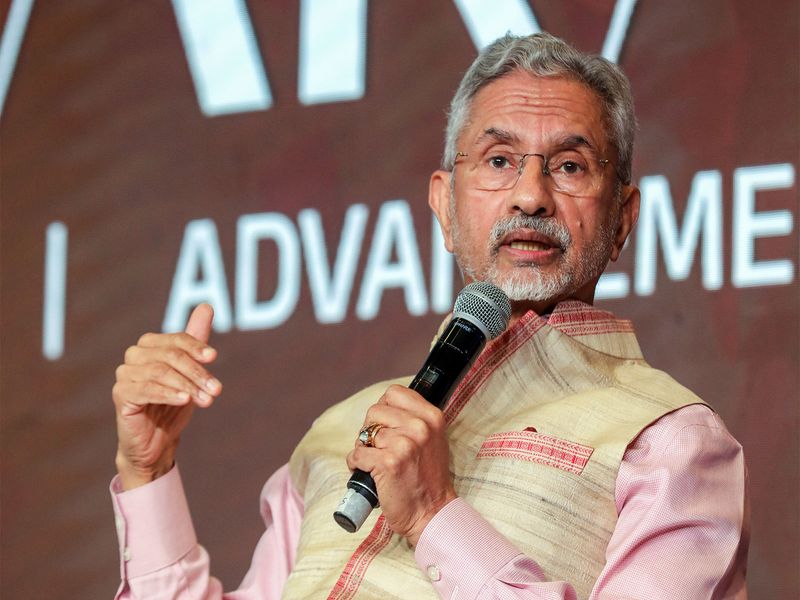

External Affairs Minister S Jaishankar on Tuesday held a series of high-level telephonic conversations with his counterparts from Israel and Australia, focusing on the rapidly evolving situation in West Asia, including tensions involving Iran, the Strait of Hormuz and regional security dynamics.Jaishankar spoke with Israeli Foreign Minister Gideon Sa’ar, with both sides reviewing “different aspects of the West Asia situation” amid escalating geopolitical uncertainty.Describing the exchange as “a good conversation”, Sa’ar said discussions covered Iran, Lebanon and the strategic Strait of Hormuz. He underscored Israel’s position on the ongoing negotiations with Iran, asserting that a firm American stance—including preventing uranium enrichment within Iran and ensuring the removal of enriched material—was “critical for the entire international community”.Sa’ar also raised concerns over what he described as threats to freedom of navigation in the Strait of Hormuz, alleging that Iran’s actions posed risks to global trade and economic stability. He stressed the need for measures to ensure uninterrupted maritime movement for all countries, including India and Gulf nations.While New Delhi did not publicly elaborate on specific positions, Jaishankar said the conversation provided an opportunity to exchange views on the complex and evolving regional situation.In a separate outreach, Jaishankar also spoke with Australian Foreign Minister Penny Wong, discussing the West Asia conflict and its broader implications.“Appreciated the exchange of views,” Jaishankar said, signalling continued coordination with key international partners as tensions in the region persist.The back-to-back diplomatic engagements reflect India’s calibrated approach to the West Asia crisis, balancing strategic interests while maintaining dialogue with multiple stakeholders amid concerns over regional stability and global energy security.