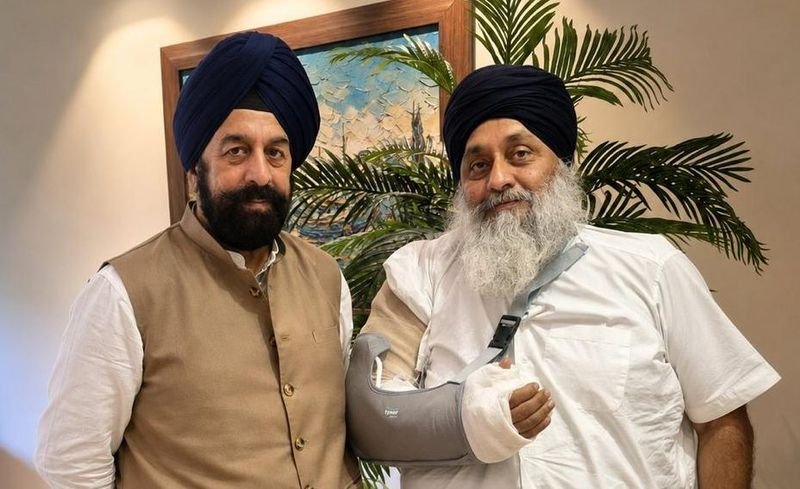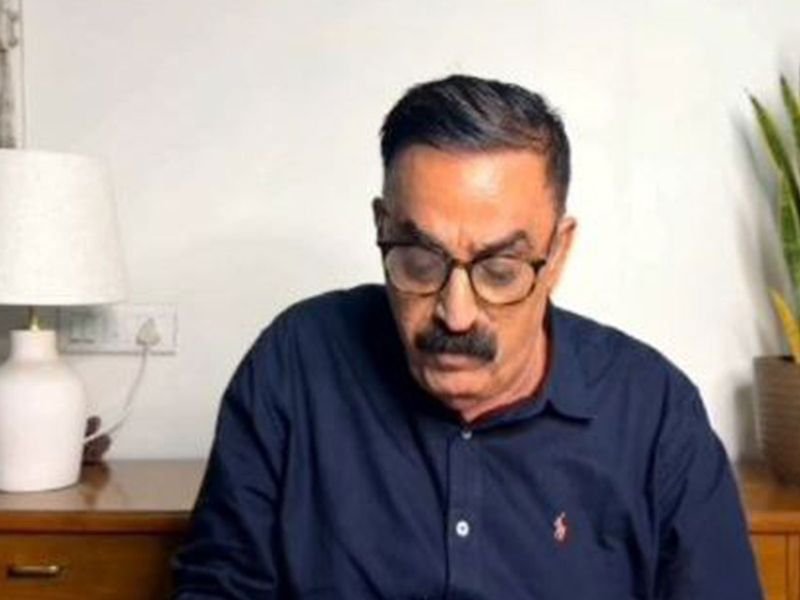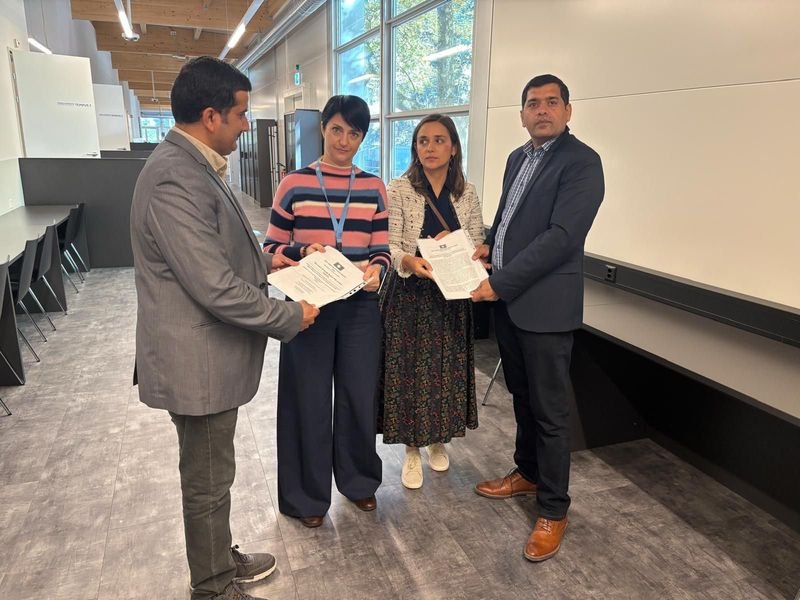

Geneva [Switzerland], September 19 (ANI): JSMM Vice Chairman Sajjad Shar and Secretary-General Shahnawaz Bhutto have presented party Chairman Shafi Burfat’s position to the international community, calling for a free, fair and impartial referendum on the independence of Sindhudesh under the supervision of the United Nations and the international community.The appeal was outlined in a post by Burfat, Chairman of the Jeay Sindh Muttahida Mahaz (JSMM)Burfat’s post described Sindh as the historic homeland of the Sindhi nation and linked its identity to the Indus Valley Civilisation, the Sindhi language, culture, shared history and the Indus River.He argued that the Sindhi nation possesses a distinct national identity and claimed that its territorial integrity, demographic identity, political authority and ownership of land, water and natural resources face serious threats.A major part of the post focused on what Burfat described as demographic engineering in Sindh.He alleged that the settlement of people from outside Sindh in major cities, urban centres and industrial areas was aimed at reducing Sindhis to a political and economic minority in their own homeland.He termed the alleged process “demographic genocide” and accused Pakistan’s state structure of pursuing policies that undermine the demographic and political position of the Sindhi population.Burfat also alleged that millions of acres of Sindh’s land had been occupied by the military and claimed that population transfers and new settlements were being used to weaken Sindhi political mobilisation.These are allegations contained in Burfat’s post and were not independently established in the statement itself.The JSMM chairman further accused Pakistan’s state institutions of suppressing Sindhi nationalist movements and political activism. He alleged that political organisations had been banned, freedom of expression restricted, and national activists subjected to prolonged detention and torture. He specifically referred to the state ban on JSMM and alleged that activists had been subjected to enforced disappearances and extrajudicial killings.Burfat’s post also raised concerns over Sindh’s natural resources, including oil, gas, coal, agricultural land, coastline and other mineral resources.He alleged that resources extracted from Sindh were being transferred to Punjab under the federal system while communities in resource-producing areas continued to face shortages of basic facilities, including clean drinking water, employment and education.Burfat also raised objections to what he described as attempts to alter Sindh’s geographical and administrative unity. He specifically mentioned Karachi and the coastal islands, alleging that proposals for new administrative arrangements or central control could separate these areas from Sindh’s historic jurisdiction.According to Burfat, Karachi is the “heart and historic capital of Sindh”, and any attempt to separate the city from Sindh would amount to undermining the territorial and political unity of the Sindhi homeland.The JSMM chairman further argued that demographic changes, political repression, economic exploitation and administrative restructuring were interconnected elements of what he characterised as a “neo-colonial strategy” against the Sindhi nation.Calling for international intervention, Burfat urged the United Nations, international human-rights organisations, diplomats and democratic governments to take notice of what he described as torture, extrajudicial killings and restrictions on political activity involving Sindhi national activists.He also called for international pressure on Pakistan and support for what he described as the Sindhi nation’s right to self-determination, including a referendum on the independence of Sindhudesh conducted under UN supervision and monitored by the international community and human-rights observers.Burfat argued that the issue should not be treated solely as an internal matter of Pakistan, but as a question concerning the political rights, territorial integrity and survival of what he described as a historic nation.He concluded his appeal by stating that the Sindhi nation would continue its political, intellectual and moral struggle for what he described as the preservation of its homeland, language, culture and political existence, and ultimately for the independence of Sindhudesh. (ANI)(This content is sourced from a syndicated feed and is published as received. The Tribune assumes no responsibility or liability for its accuracy, completeness, or content.)