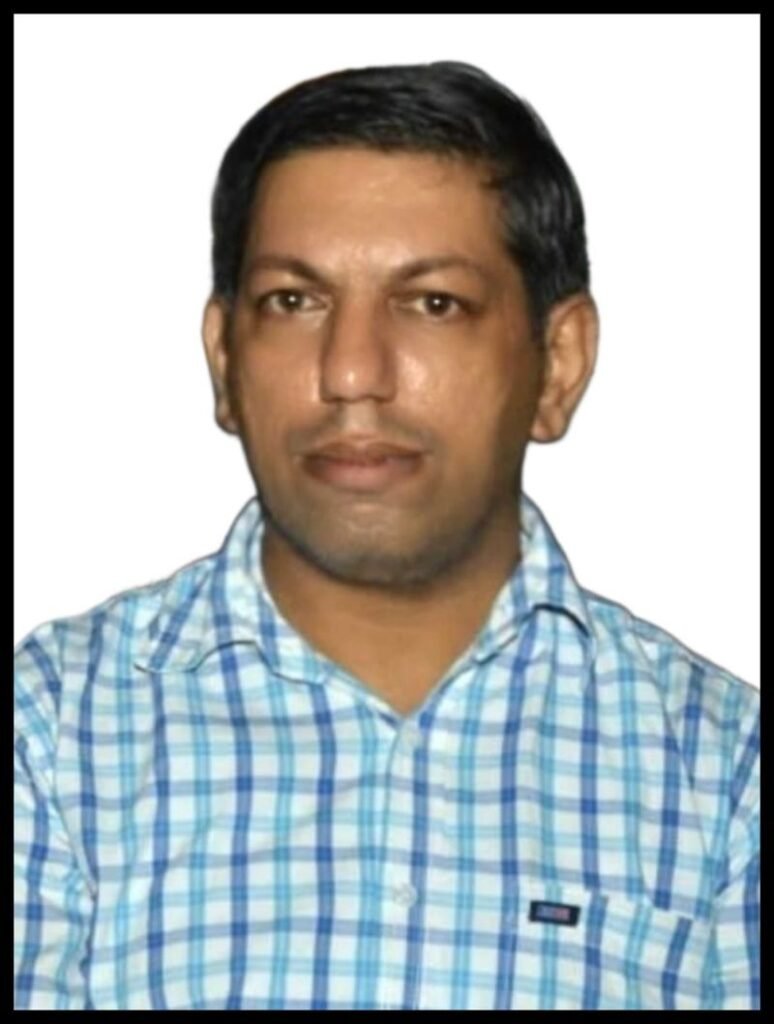

A viral video showing a doctor’s driver allegedly examining patients and writing prescriptions at a government hospital in Kanpur has raised a more consequential question than the alleged misconduct itself of how did an unauthorised person get to sit in an OPD, call patients one by one and prescribe medicines in the first place.The incident took place at Kanshiram Hospital and Trauma Centre, where the emergency medical officer, Dr Ramkesh, was away attending a court hearing. Hospital authorities have identified the man seen in the video as his driver, Dev.The Tribune learnt from its sources that the hospital has constituted a three-member committee to investigate the incident, including whether the driver examined patients, prescribed medicines and whether such a practice had occurred earlier.The hospital administration has also lodged a police complaint against the driver. The inquiry is examining how he gained access to the OPD and how many patients he may have attended.India already has a legal framework against such a situation. The National Medical Commission Act says a person who is not enrolled in the State or National Medical Register cannot practise medicine as a qualified medical practitioner. NMC’s medical ethics code also states that unregistered attendants should not be permitted to attend or treat patients where professional medical skill is required.The Kanpur episode, therefore, points to an enforcement and hospital-management gap: rules may exist, but there must also be systems to ensure that an absent doctor’s chair does not become an opportunity for an unauthorised person to assume clinical responsibility.For a public hospital, this means clear arrangements for a doctor’s absence, controlled access to consultation rooms, identification of the person actually examining a patient and prescriptions that can be traced to the registered medical practitioner responsible for the clinical decision.A prescription is not merely a piece of paper naming a medicine. It follows a clinical assessment of symptoms, medical history and examination and, where necessary, diagnostic tests. The NMC framework requires prescriptions to carry the prescribing doctor’s identity and registration particulars.The risks become particularly significant during seasonal surge in fever and mosquito-borne illnesses. Dengue, for instance, has no specific antiviral treatment, and its management depends on appropriate clinical assessment and monitoring. The WHO specifically advises against aspirin and ibuprofen for patients with dengue because they can increase the risk of bleeding.There is no evidence that any of the patients shown in the Kanpur video had dengue. The episode, however, illustrates why substituting an unqualified person for a doctor cannot be treated as a mere administrative lapse.The three-member inquiry now has an opportunity to establish not only who wrote the prescriptions, but also how the system allowed it, how many patients were affected, whether any prescriptions were acted upon and what safeguards will be put in place to prevent a repeat.