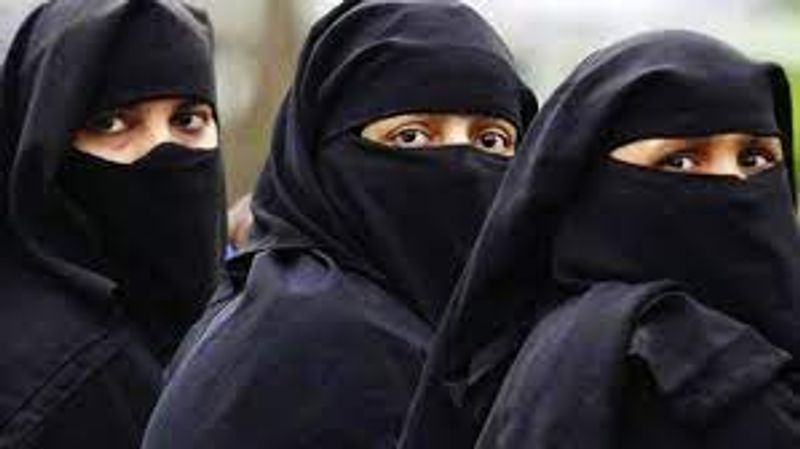

The Karnataka government on Wednesday issued orders allowing students to wear limited traditional and faith-based symbols such as hijab/headscarf, turban, ‘janeu’ (sacred thread), Shivadhara and Rudraksha along with prescribed uniforms in schools and pre-university colleges across the state.The February 5, 2022 order issued by the previous BJP government banned hijab in educational institutes.The Congress government issued fresh guidelines on Wednesday allowing students to wear limited traditional and faith-based symbols along with prescribed uniforms, while reaffirming institutional discipline, secular values and equal access to education.The order said no student should be denied education or discriminated against solely for wearing permitted traditional or faith-based symbols that do not disturb discipline, safety or identification.”Permissible traditional and faith-based symbols may include items commonly worn by students such as turban, janeu, Shivadhara, Rudraksha, hijab or similar forms. However, such items shall not affect discipline, safety or identification of students,” the order stated.Reiterating the constitutional intent behind the decision, the government said, “Education is a key instrument for holistic development of students, reduction of mental stress, promotion of constitutional values, and fostering a scientific, secular and inclusive outlook.”Educational institutions are constitutional spaces where students learn “scientific temper, rational thinking, equality, dignity, fraternity, discipline, mutual respect, social harmony, and responsible citizenship in a constitutional democracy”.It said the earlier order had been issued in the context of issues relating to uniforms and dress code, but concerns had emerged during implementation regarding limited traditional and faith-based practices followed by students from different communities.”After review, the government opined that such limited practices can be permitted without disturbing institutional discipline, provided they do not affect uniformity or identification, and do not interfere with discipline, safety, teaching, or public order,” it said.Further, “secularism, in constitutional sense, does not mean opposition to personal beliefs, but implies equal respect, institutional neutrality and non-discriminatory conduct”, the order said.The government further said no student should be denied entry into classrooms, examinations or academic activities on grounds of wearing permitted symbols.The order directed School Development and Monitoring Committees, College Development Committees, managements and heads of institutions to ensure that no student faced discrimination or humiliation.