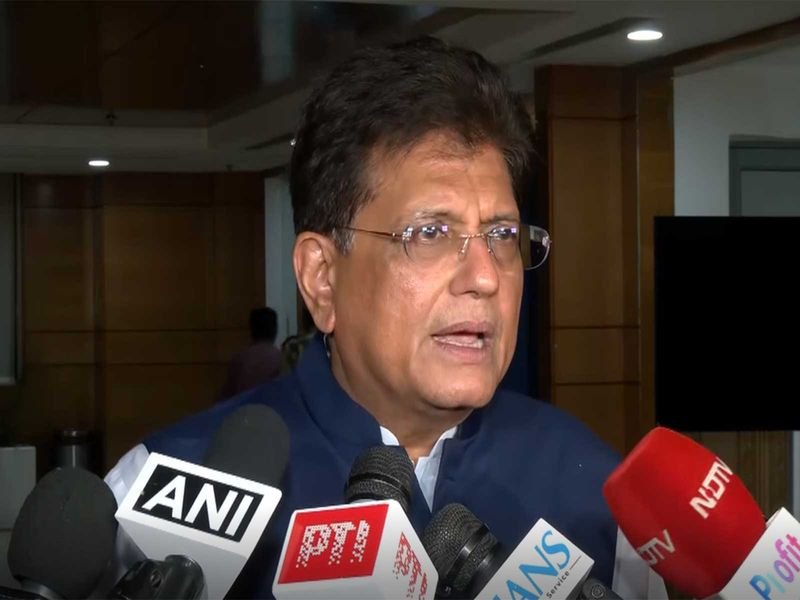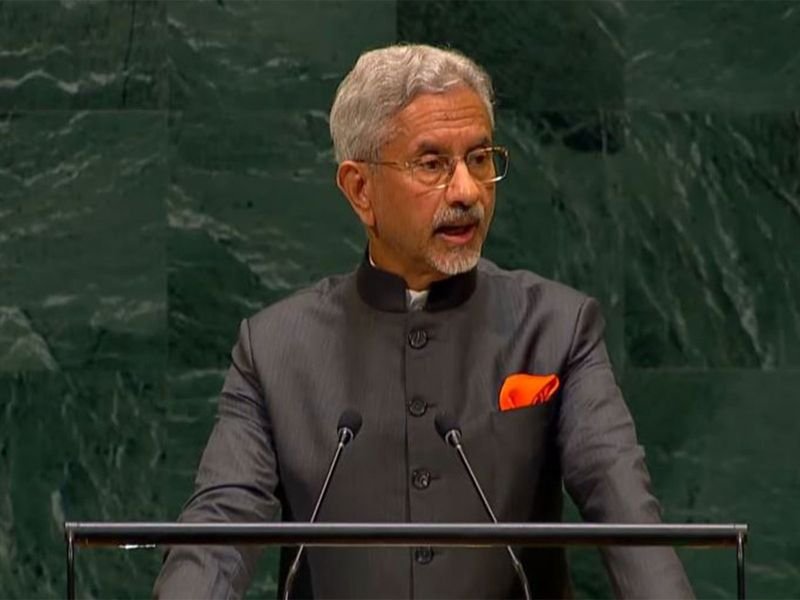

Sending a strong message to Washington on terrorism, External Affairs Minister S Jaishankar said the “lack of understanding, appreciation or empathy” in the US towards India’s concerns over cross-border terrorism has adversely affected bilateral ties. He also identified the trade negotiations as another issue that had created “bumps” in the relationship.Speaking at an Asia Society programme in New York, Jaishankar said terrorism mattered “so deeply” to India because of the threat it had faced from a neighbouring country over several decades.“What is particularly important for us in India is the issue of terrorism. There are very few countries that have been subjected to the kind of terrorism that we have faced from a neighbour as part of a deliberate and conscious policy over many, many decades,” he said.“If something which matters so deeply to us, there isn’t enough understanding or appreciation or empathy of that, I think that creates a problem too,” he said.Jaishankar was responding to a question on the trajectory of the India-US relations amid differences over trade, tariffs, defence cooperation and other issues. “If one of my primary concerns is not fully appreciated by my partner, then clearly there is an impact of that on the relationship to some extent,” he said.Responding to a similar query at the MEA briefing in New Delhi, ministry’s spokesperson Randhir Jaiswal underlined the EAM’s comments saying cross-border terrorism was a major cause for concern.“I will only like to underline that the External Affairs Minister once again highlighted that cross-border terrorism is a cause of major concern, and countries need to come together to fight this global menace,” he said.At the same time, the External Affairs Minister said New Delhi expected the relationship to move on an “upward trajectory”, but stressed that India had to be realistic about the issues confronting the partnership.“Yes, we would certainly hope for and expect the relationship to move on an upward trajectory, but I have to be real about the issues that we confront. And to the extent we are able to move ahead on some of the issues, I think we’ll have a better relationship,” he said.Jaishankar also linked some of the strains in the relationship to changing domestic dynamics in the US, particularly the growing political sensitivity around mobility. “For several years, mobility was seen as an economic gain. Today, the economics and politics of mobility are at odds with each other, at least in some quarters, and that certainly in public perception is an issue,” he said.He noted that diplomacy was no longer conducted solely by governments and diplomats, with public opinion playing an increasingly important role in democratic societies.“In a social media era, there is a very big public opinion factor which, particularly in democratic societies, makes itself felt. So, I think that’s a reality we have to take into account,” he said.Jaishankar’s comments came during an interaction in which he described the international environment as increasingly competitive and interdependent, saying diplomacy had become an “extreme sport”.In his opening remarks, he said the world was becoming more multipolar and that countries were increasingly seeking to “de-risk” and diversify their partnerships as they adjusted to a changing international order.On the India-US ties specifically, he identified the trade negotiations as another issue that had created “bumps” in the relationship. He said the negotiations had been complicated by the structure of the Indian economy, marked by large numbers of small producers and agricultural producers, and said an agreement would contribute to improving bilateral ties.Jaishankar also said India’s improving ties with China did not represent a structural transformation but followed the stabilisation of relations after the prolonged border standoff. He reiterated India’s basic principle that “the state of the border determines the state of the relationship”, saying greater normality along the border had enabled broader ties to return towards normality.