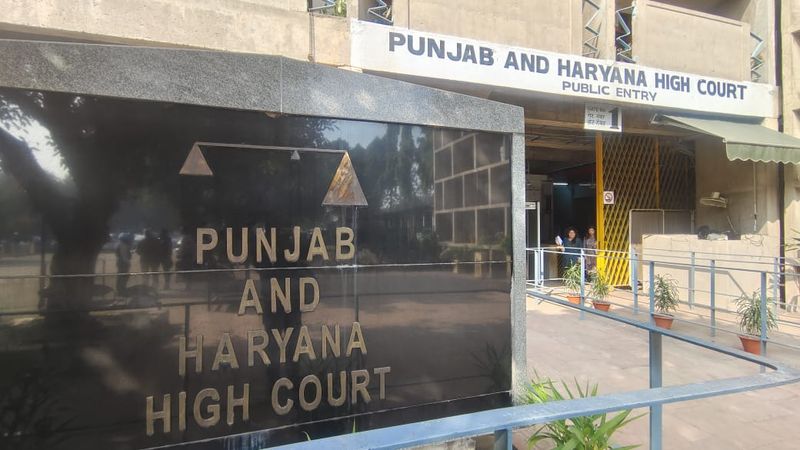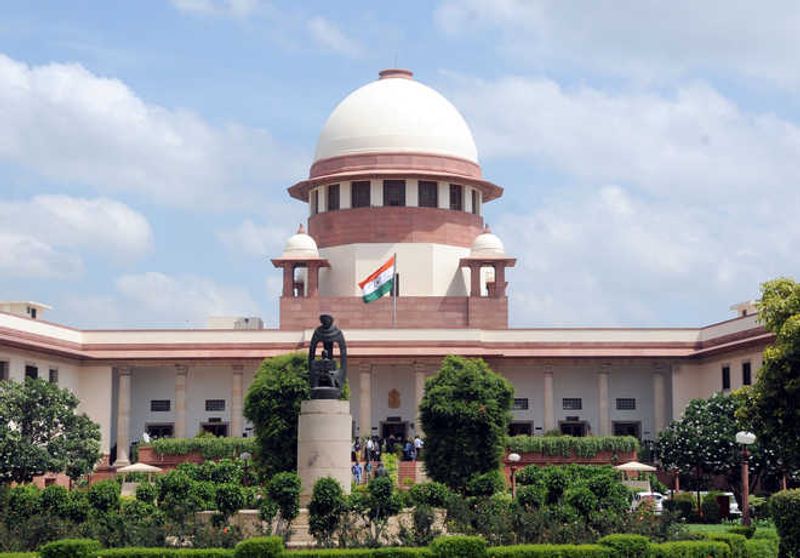

Advocates will observe a ‘no-work day’ on July 29 in all district courts of Punjab, Haryana and Chandigarh following a call given by a sub-committee of the Bar Council of Punjab and Haryana against the Legal Aid Defence Counsel System (LADCS).The announcement was made by Karanjit Singh, former Chairman and member of the sub-committee of the Bar Council, along with other members Gurtej Singh Grewal, Karamjeet Singh, Dayal Pratap Singh Randhwa, Vijender Singh Ahlawat, and Suvir Sidhu.Karanjit Singh said that the call for a no-work day has been given in support of the demand for the immediate rollback of the existing LADC system.He said that the members have demanded the restoration and strengthening of the traditional panel advocate system with the rotational inclusion of young advocates, ensuring equitable distribution of legal aid work among practising advocates while preserving effective access to justice.He said the LADC system is currently handling approximately 10–18% of criminal cases instituted annually in several districts of Punjab, with thousands of criminal matters being represented each year by salaried Legal Aid Defence Counsels.He further said that, in the absence of any stipend or financial support scheme for advocates during the formative years of practice, the existing LADCS framework has had a severe adverse impact on the livelihood and professional growth of younger members of the Bar.The loss of work is more pronounced in smaller district Bars, where opportunities are already limited. Routine criminal work, traditionally the foundation of independent legal practice, is increasingly becoming unavailable to junior and first-generation lawyers.The Sub-Committee of the Bar Council, accompanied by leaders of Bar Associations from Punjab, Haryana, and Chandigarh, has already met the Chief Justice of India, the Union Law Minister, the Acting Chief Justice of the Punjab and Haryana High Court, and Judges of the Administrative Committee constituted by the High Court.Apart from raising concerns regarding the negative effects of the scheme on the legal fraternity, the Bar Council has also actively advocated that the scheme is detrimental to the interests of ordinary citizens and does not adequately support the objective of ensuring access to justice.