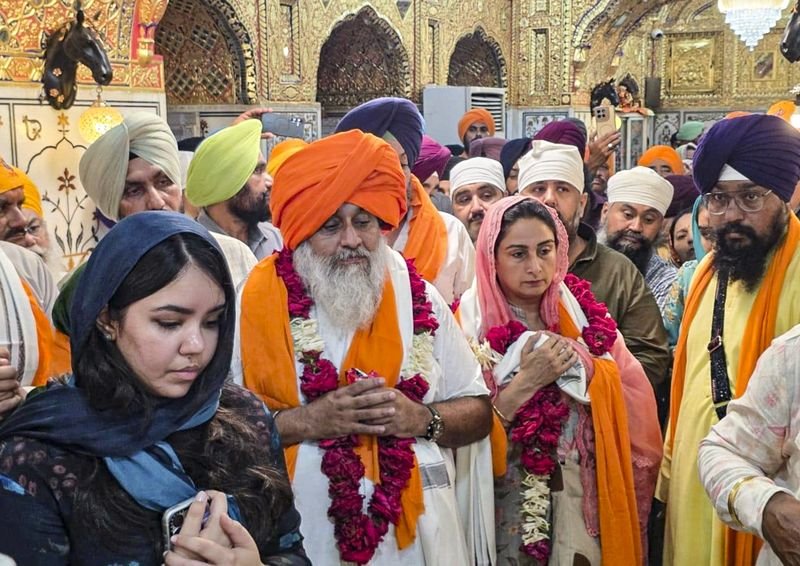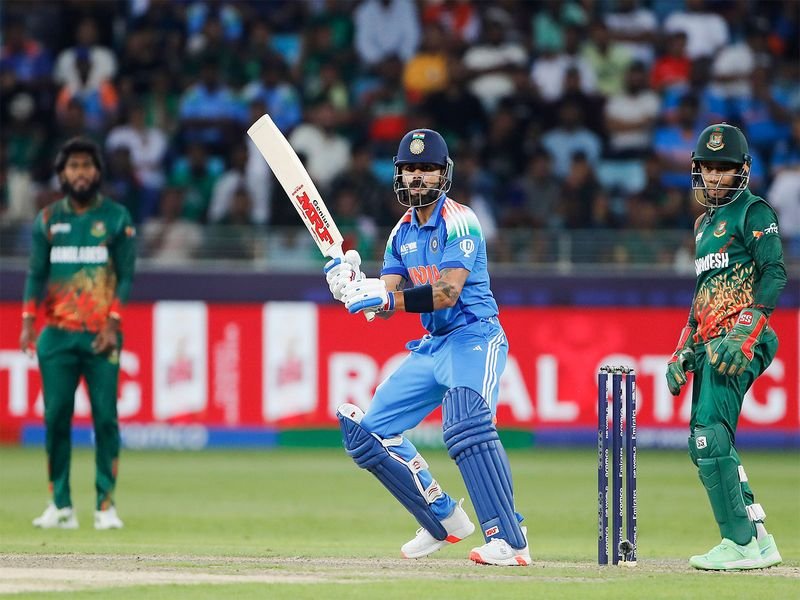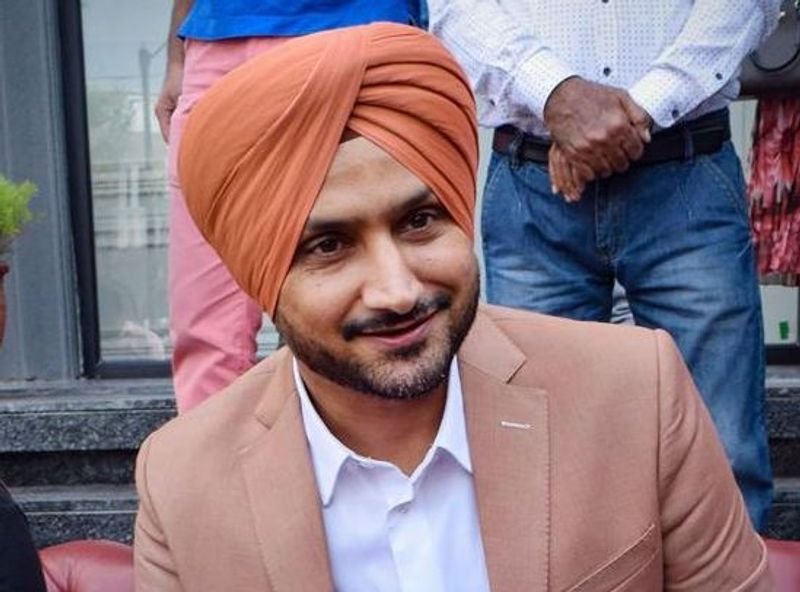

Cricketer-turned-politician Harbhajan Singh has revealed that his decision to switch from the AAP to the BJP was driven by the frustration of not being heard in his former party, which has a lot to explain about Punjab’s debilitating drug abuse problem.In a podcast interview with PTI at its headquarters, the 46-year-old off-spin legend also talked about the aggressive protests that took place outside his house in Jalandhar following the move.Harbhajan was sent to the Rajya Sabha by the AAP in 2022, but he, along with six others from the party, joined the BJP in April this year.”When (current Punjab Chief Minister) Bhagwant Mann asked me to join AAP, it was to represent the party in the Rajya Sabha and raise issues related to sports. I had made it clear at that time itself that I would only talk about sports and would not discuss politics, as it is not my job,” he recalled.”The only reason I joined AAP was that it was giving me a chance to promote sports not just in Punjab but nationally. But when I tried to present my ideas, I was not heard in the party. My ideas remained just ideas,” he elaborated.Harbhajan said he eventually got fed up with being sidelined despite trying hard to present his vision to the party.”…the work for which I joined AAP was not getting done. Even if a small step had been taken in the direction that I suggested, I would not have left. But my very reason for joining the party was not getting fulfilled. That’s why I left because nobody was responding to my suggestions,” he said.The AAP had reacted sharply to the setback, accusing the deserting MPs of betrayal. Harbhajan’s home was targeted with protests, including the burning of his effigy. Asked about the incident, Harbhajan said he would not like to name names, as it was easy to understand who the protesters could have been.”Everybody knows who those people were and where they came from; I need not say anything. The common man of this country knows me for my cricket and has given me so much love; why would they burn my effigy or write ‘Traitor’ outside my house? Whom did I betray?” he asked.”My question to them (AAP) is: what happened to the tall promises they made to the people of Punjab? What did you do for Punjab? Who is the traitor here? And did you ask me why I did what I did? Just because you call me a traitor doesn’t make me one. Neither am I a thief because you say so,” he asserted.”…my heart beats for India and Punjab. The love that I have for my motherland is something that does not need validation from anyone else. So those who want to say things, they can continue; it doesn’t make a difference to me. If I allow myself to be distracted by all the chatter, then I cannot function,” he added.Punjab’s drug problemThe state’s battle with the crisis of drug abuse is well-documented. According to available surveys, at least 15 per cent of the state’s residents have admitted to substance abuse.Although alcohol remains the top dependence, the growing abuse of opioids like heroin has caused concern among not just health care workers but also law enforcement agencies.As per government data, over 70,000 drug-related cases have been registered in the state between 2022 and 2026, leading to more than 95,000 arrests.Harbhajan said the devastating impact of the menace can never be stated enough.”…that is a concern for everyone because drugs are something that is destroying youth not just in Punjab, anywhere it manages to reach in the country… sports is a great metric. There was a time when Punjab used to rank number one in sports.”There were nine players from Sansarpur alone in the hockey team and Sansarpur is just a small village in Jalandhar,” Harbhajan said, referring to the talent supplied by the Surjit Singh Hockey Academy in Jalandhar.”But with drugs readily available and penetrating households all around, youth have been destroyed. Wherever there is drug menace, generations have ended up being annihilated,” he added.Harbhajan said Punjab’s case becomes more sensitive because of its status as a border state.”So we need to know how it is entering the state? And if it is entering the state, something should be done to stop it, right? It is reaching our houses, our youth. There should be strict laws to deal with this,” he said.