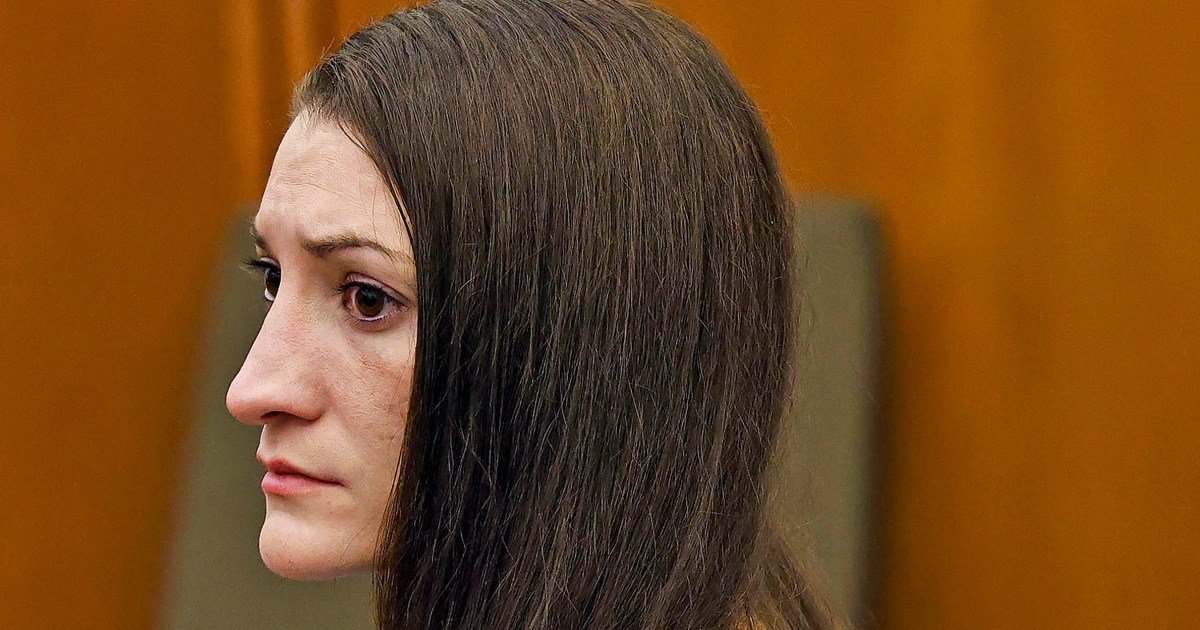

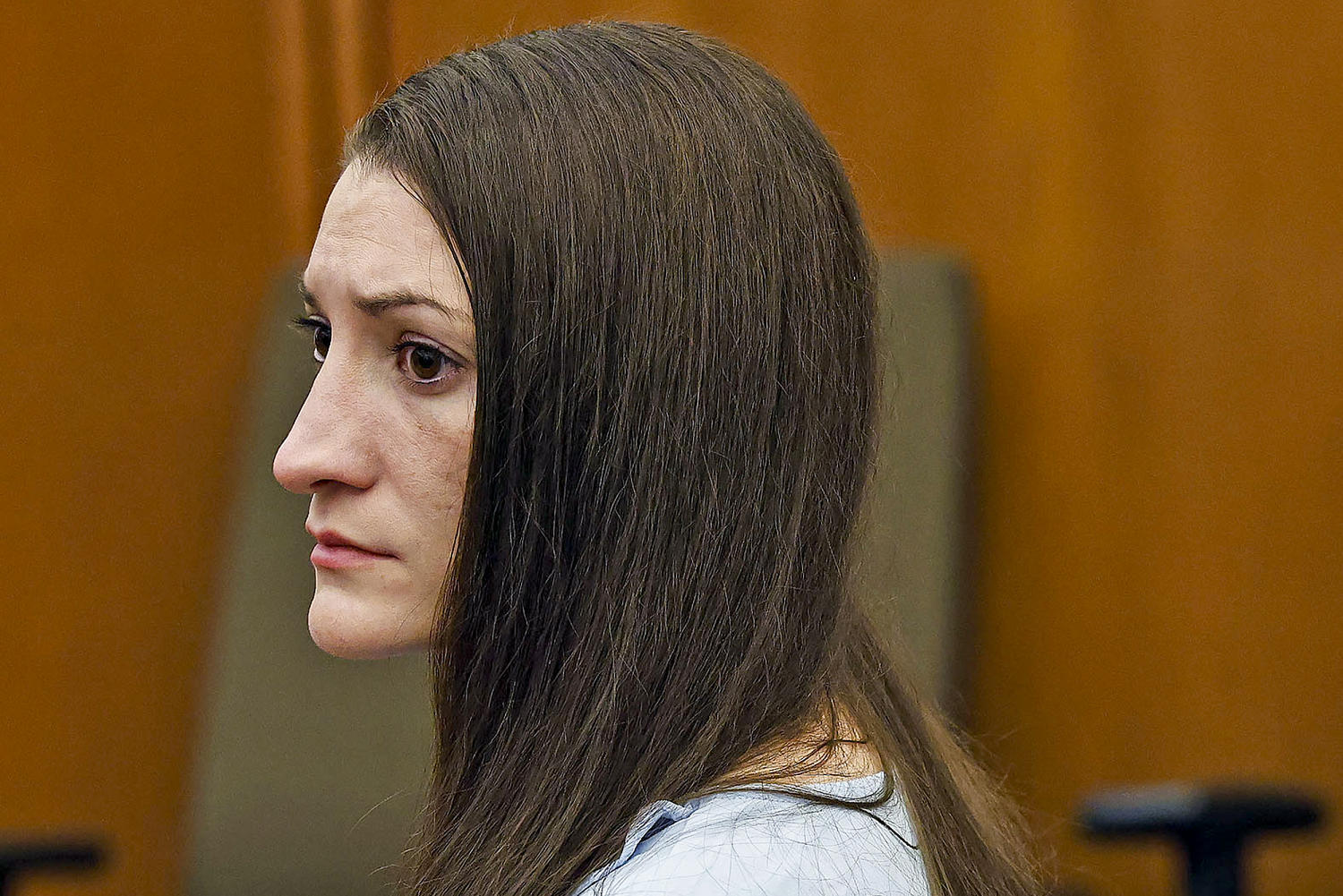
Lindsay Clancy’s defense team filed a motion to Judge William Sullivan on Friday asking that there be no more sidebars for the remainder of the triple-murder trial, and that all further proceedings be handled in open court. The motion was filed as jurors in the murder trial were about to head into their seventh day of deliberations at Plymouth Superior Court after proceedings ended Thursday with the defense calling for the removal of one juror. The jury submitted a question after the lunch break Thursday; while Sullivan did not read the note in court, it appeared to have to do with reasonable doubt. He instead repeated his instructions on the definition of reasonable doubt and said each juror was brought in individually and asked whether they could follow his instructions before they were sent back to continue deliberations.“They’ve said at this point that they can,” Sullivan said. “That was specifically addressed towards the specific question, and that’s what I’m doing.”Sullivan sent everyone home for the day around 4 p.m. This is not the first time the jury has indicated that it is having trouble coming to a verdict in the murder trial. Jurors issued deadlock notes to Sullivan on Tuesday and Wednesday, prompting the judge to issue the Tuey-Rodriguez instruction on Wednesday, sending the group of nine women and three men back to deliberate for the final time. Based on Massachusetts law, a judge can only send a jury back for deliberations twice before declaring a mistrial, unless jurors consent to further deliberations. If the jury returns with a third deadlock note, Sullivan will likely declare a mistrial. The individual questioning Thursday took place after Sullivan first entered into a sidebar with the attorneys — which appeared to upset defense attorney Kevin Reddington. It was not immediately clear what was said during the private conversation, but Reddington appeared animated and waved papers aggressively during the discussion, according to two members of the Jattvibe News team in court. Reddington then walked over to Clancy, who looked upset during the sidebar, and wheeled her over to be included in the conversation. After the jury was dismissed for the day, Reddington alleged in court that one juror “refuses to listen to the law that you have given him or her on reasonable doubt.” He suggested that the “soft” instructions from Sullivan were not sufficient, and called for the removal of that juror. Prosecutor Jennifer Sprague then argued that there was “no way to determine what the deliberations are.” She said she felt the judge’s actions in response to the note were appropriate.Sullivan declined to remove a juror.The motion filed Friday suggests the defense wants the judge to read out all further jury questions and notes in open court, rather than keeping them private in sidebar. On Thursday, Reddington told reporters, “I want the public to know what’s going on.” While Reddington has told reporters outside the court that he is ready for a retrial as early as next week should this one end with a hung jury, he clarified Thursday after court that that was not the result he wanted. “Why would I want a mistrial? I kicked the s— out of their case,” he said.Prosecutors, however, have not indicated whether they are interested in retrying the case should it end in a mistrial. The jury must decide whether Clancy is criminally responsible for killing her three children, Cora, 5; Dawson, 3; and Callan, 8 months. She is accused of strangling each of them to death using exercise bands before she threw herself out of her second-story window in a suicide attempt that left her paralyzed from the waist down. Reddington has argued that Clancy was compelled to act on auditory hallucinations that commanded her to carry out the killings, a symptom of postpartum psychosis, which he said she was experiencing at the time. The prosecution, though, has said that Clancy was not in psychosis when she killed her children, and that she planned out their killings and was aware of what she was doing when she murdered them. They have been pushing for a first-degree murder conviction, which would carry a life sentence for Clancy. The jury can also convict Clancy of lesser charges — second-degree murder or manslaughter — or deem her not guilty due to lack of criminal responsibility.