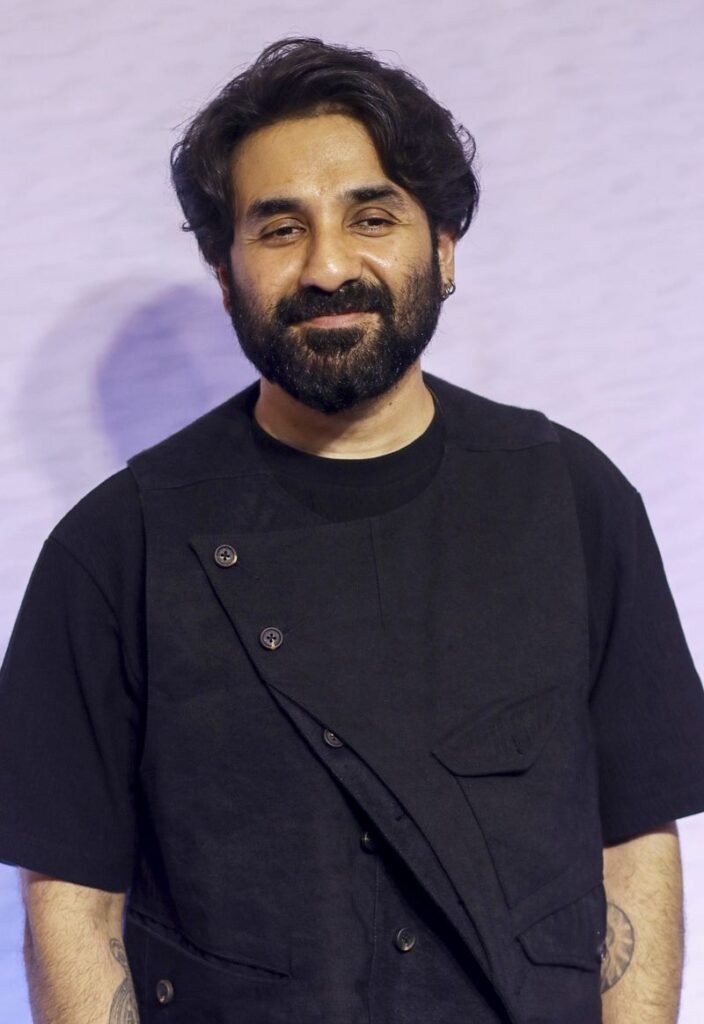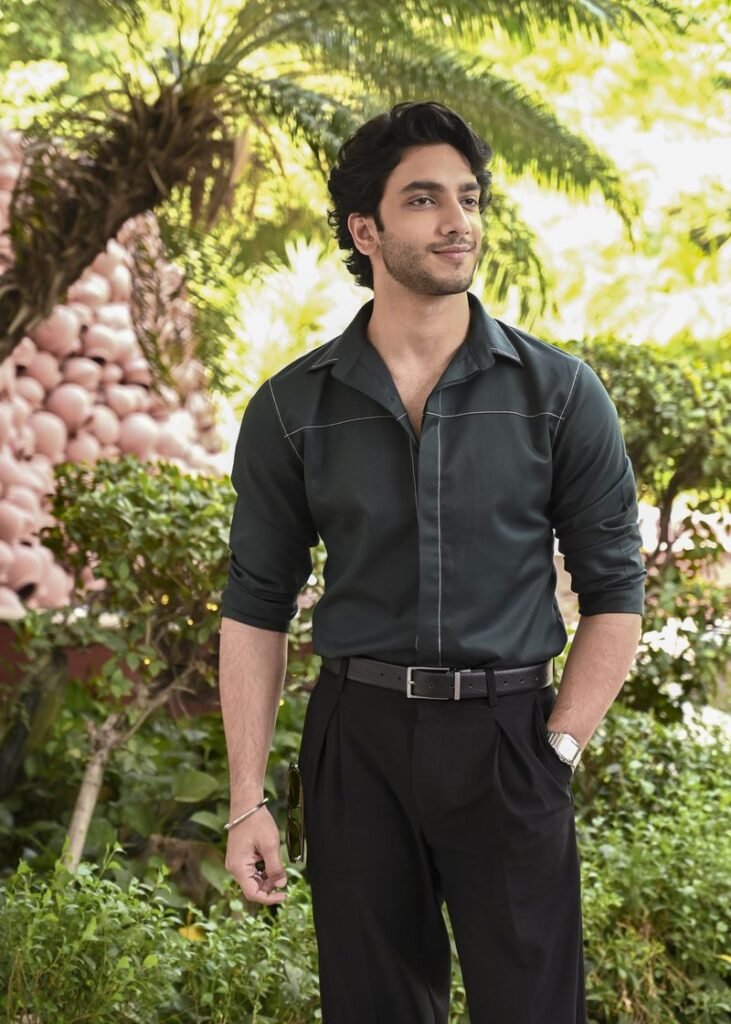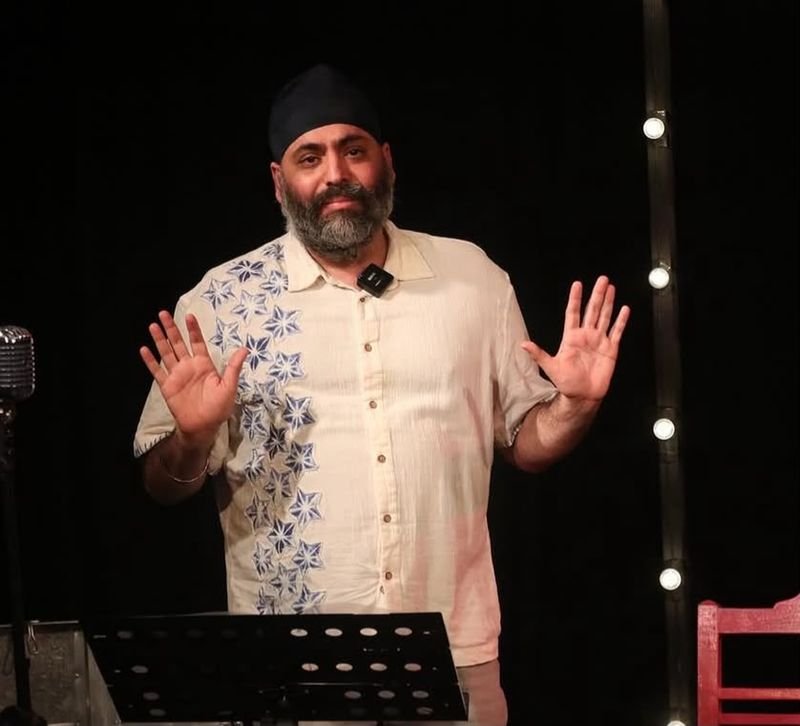

From finding his footing in Bollywood to telling stories that challenge social perceptions, filmmaker and writer Navjot Gulati has carved his own path in the industry. With Pooja Meri Jaan, he explores the complexities of toxic relationships, emotional manipulation and consent, sparking conversations that go beyond the screen.In this conversation, Gulati reflects on his journey into filmmaking, the inspiration behind Pooja Meri Jaan and offering a glimpse into the diverse projects that lie ahead.You have been associated with the film industry for several years. Take us back to the beginning, what were some of the early struggles that shaped you as a filmmaker?I was a film buff, always in love with movies. And had an array of life experiences before coming to Mumbai in 2009. Those life experiences and my knowledge of movies have shaped me. My first job in the movie business was an Assistant director on a film that never got released. The film was called Choole Aasman. And I worked across departments and learnt how to not make a movie.Before Pooja Meri Jaan, you worked as a writer on several projects. How did your experience as a writer influence your approach when you moved into direction?The primary reason I turned a director was because I wasn’t getting enough work and respect just as a writer. Now that I direct as well, there is one less person to convince to get a script made because one of them is now me.What was the original spark behind Pooja Meri Jaan?I was heading to Goa to write a romcom with two writer friends, Parijat Joshi and Tarun Dudeja. We somehow ended on a deserted road on the border of Karnataka. In the deserted jungle when we were lost, my mind went into its darkest corner and came up with the idea. A recent heartbreak did help. The film explores relationships, friendship and the experiences of women in a way that is both emotional and thought-provoking.What did you most want to say through the film?I want to say sorry to all the girls who have gone through this emotional manipulation by guys who have been misled into believing that ‘no’ means try harder. If someone says no to you then take it as the final answer. When love is real, it will be easy. No chase and drama would be needed.How did you develop the characters of Pooja and her friend, and what were you looking for from the actors while bringing these characters to life?The character of Pooja is inspired by multiple women around me who are fierce and independent in their life. And the character of Sana is the audience. They first doubt Pooja then question her and then eventually believe her.Challenge in directing Pooja Meri Jaan — either technically or emotionally — that pushed you out of your comfort zone?It was particularly challenging because as a man I’ve never gone through such experiences. So, having my co-writer Kanishka with me throughout the process was the greatest help.The film deals with subjects that can be uncomfortable to discuss openly. How important was it for you to balance the seriousness of the subject with the entertainment value of the film?We just wanted it to keep it as real as possible. Entertainment comes through the courtroom scenes because it’s a public discussion of two people’s toxic relationship, it yielded entertainment for the viewers. We are a voyeuristic country after all.Has anything about the audience reaction surprised you?The audience reaction has been really positive and uplifting. Gives me the strength and encouragement to tell more important and timely stories. The conversations have been exactly what we hoped for. People arguing about who was right. Who was not. Consent. Toxic relationships.Looking ahead, what kind of stories do you want to tell as a director?I have already made another film called Badtameez Gill with Vani Kapoor, Aparshakti Khurana and Paresh Rawal. Should be released soon. And the next one I’m making is a dark comedy about fake news. So yeah, I’m someone who likes to keep shifting genres.