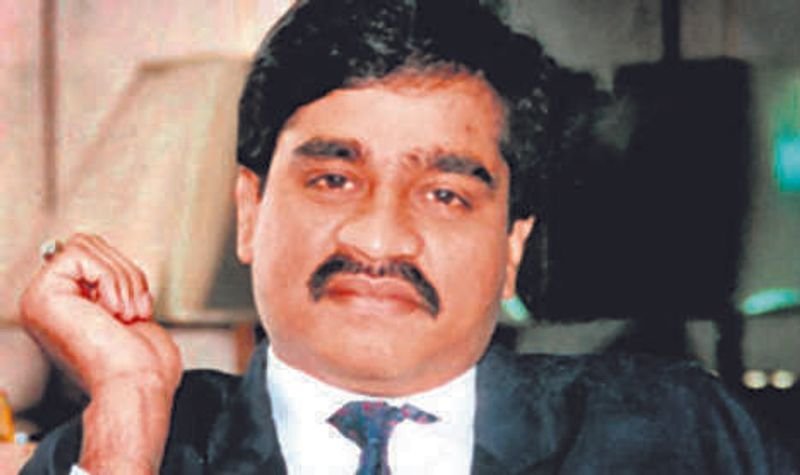

India has strongly rejected a UN special rapporteur’s description of gangster Dawood Ibrahim-led D-company as an “India-based” criminal group, flagging “glaring inaccuracies” in the report and cautioning that such incompetence causes tremendous harm to the world body.Invoking Dawood’s alleged links with the Al-Qaeda, India accused the UN human rights expert of distorting the record on terrorism, questioning why the report referred to the fugitive’s 2003 UN listing without adequately mentioning that he had been wanted in India for terror attacks since 1993.India’s sharp intervention at the UN General Assembly’s Third Committee also saw it reject Pakistan’s remarks on Jammu and Kashmir and Ladakh, calling them “pure propaganda” driven by narrow political interests.First Secretary Raghoo Puri, speaking during an interactive dialogue with the special rapporteur on the promotion and protection of human rights and fundamental freedoms while countering terrorism, said factual omissions in reports by UN mandate holders could damage the credibility of the world body.“My delegation has been pointing out in other forums as well our serious concern at the unacceptable situation of the special rapporteur releasing reports with factual inaccuracies while not being held accountable for them,” Puri said.At the heart of India’s objection was the reference of the report to the UN Security Council listing Dawood’s criminal organisation, D-Company, in 2003 for its association with the Al-Qaeda. Puri said presenting the listing without the wider context risked giving a misleading account of the case.He pointed to the narrative summary accompanying the listing under the Security Council’s 1267 sanctions regime, which, he said, recorded Dawood’s links with terrorism and the relevant background to his designation.The Indian diplomat maintained that Dawood had left India well before the 2003 listing and was subsequently listed for his association with the Al-Qaeda and its founder, Osama bin Laden.He said Dawood continued to be wanted in India and that the UN listing placed his residence in the same country where bin Laden was eventually found and killed by US forces.Calling the omission “regrettable”, Puri said the competence and impartiality of those entrusted with UN mandates were essential to preserving the organisation’s standing.He also flagged what he described as bias in parts of the report and urged the special rapporteur to maintain the highest standards of propriety and impartiality.“Human rights framework cannot be the refuge of the perpetrators of terror and those who propagate radicalisation and extremism. Terrorism can never be justified,” he said, accusing some countries of using human rights arguments to defend their actions in the fight against terrorism.The exchange took a sharper turn when Puri responded to the Pakistani delegate’s remarks on Jammu and Kashmir and Ladakh. Rejecting the allegations, he accused Pakistan’s military leadership of driving what he called a propaganda campaign against India.Reiterating New Delhi’s position, Puri said Jammu and Kashmir and Ladakh were integral parts of India and would remain so.“I would not like to dignify the statement by the Pakistani delegate with any further comment,” he said.India’s intervention brought the question of accountability in UN reporting to the fore, with New Delhi arguing that the human rights framework must not be used to obscure the record of individuals accused of terrorism. The dispute also reflected the continuing diplomatic friction between India and Pakistan over Jammu and Kashmir, which frequently surfaces in multilateral forums.Dawood, wanted by the Indian authorities in connection with the 1993 Mumbai serial blasts, remains subject to UN sanctions over his links with the Al-Qaeda. The Security Council’s 1267 regime provides for sanctions against individuals and entities associated with designated terrorist organisations.