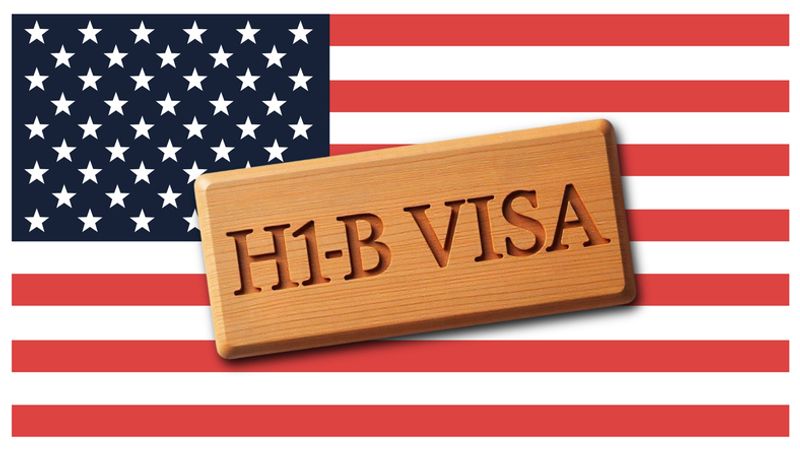

A new US bill, the End H-1B Visa Abuse Act of 2026, proposes major restrictions on the H-1B visa programme.Introduced by Congressman Eli Crane, it calls for a three-year freeze on new visas, reducing the annual cap to 25,000 and setting a $200,000 minimum salary.The bill also seeks to bar dependents, end pathways to permanent residency, and scrap the OPT programme. Supported by several Republican lawmakers, it aims to prioritise American workers. The proposed changes could significantly impact Indian professionals, especially in tech and healthcare, and are expected to spark strong debate in Congress.The move aligns with earlier indications from President Donald Trump’s camp that employment-based immigration policies could face tighter regulations.Key Proposals in the BillThe legislation suggests major changes that could significantly reshape the H-1B system. It calls for a three-year freeze on new visas and proposes reducing the annual cap from 65,000 to 25,000. It also introduces a high minimum salary requirement of $200,000, which would restrict eligibility to top-tier, high-paying jobs.Additionally, the bill seeks to bar H-1B visa holders from bringing dependents and prevent them from transitioning to permanent residency. It also proposes banning federal agencies from hiring non-immigrant workers and scrapping the Optional Practical Training (OPT) programme.Collectively, these measures indicate a shift toward making the H-1B visa more restrictive and strictly temporary.Political support and justificationThe bill has gained backing from several Republican lawmakers, including Brian Babin, Brandon Gill, Wesley Hunt, Keith Self, Andy Ogles, Paul Gosar and Tom McClintock.Explaining the rationale, Eli Crane said the government should prioritise American workers over corporate interests, arguing that the current system puts domestic job seekers at a disadvantage. Supporters claim that companies have misused the programme to replace American employees with lower-cost foreign labour. Echoing this concern, Paul Gosar said the system has often been used to substitute domestic workers, while Brandon Gill emphasised the need to ensure immigration policies serve Americans first.’One of the strongest’ proposalsImmigration policy expert Rosemary Jenks, who helped draft the bill, described it as one of the most comprehensive proposals introduced so far. She noted that the H-1B programme was originally intended as a short-term solution to address labour shortages but has since expanded beyond its original purpose. According to her, stricter rules could encourage companies to invest more in hiring and training domestic workers, even if it leads to higher costs initially.Impact on Indian professionalsIndian professionals, especially in sectors like technology and healthcare, are among the biggest beneficiaries of the H-1B programme. Any tightening of the system is therefore likely to have significant consequences for them.The proposed salary threshold and reduced visa cap could sharply limit opportunities for Indian workers seeking jobs in the US. Restrictions on dependents and the removal of pathways to permanent residency may further reduce the programme’s appeal.The bill follows earlier measures linked to Donald Trump, including a proposed $100,000 fee on new H-1B applications, which had already raised concerns among visa applicants.What lies aheadThe bill’s introduction marks the start of what is expected to be a heated debate in Congress. While it has strong support from some Republican lawmakers, it is likely to face opposition from industry groups that depend heavily on global talent.