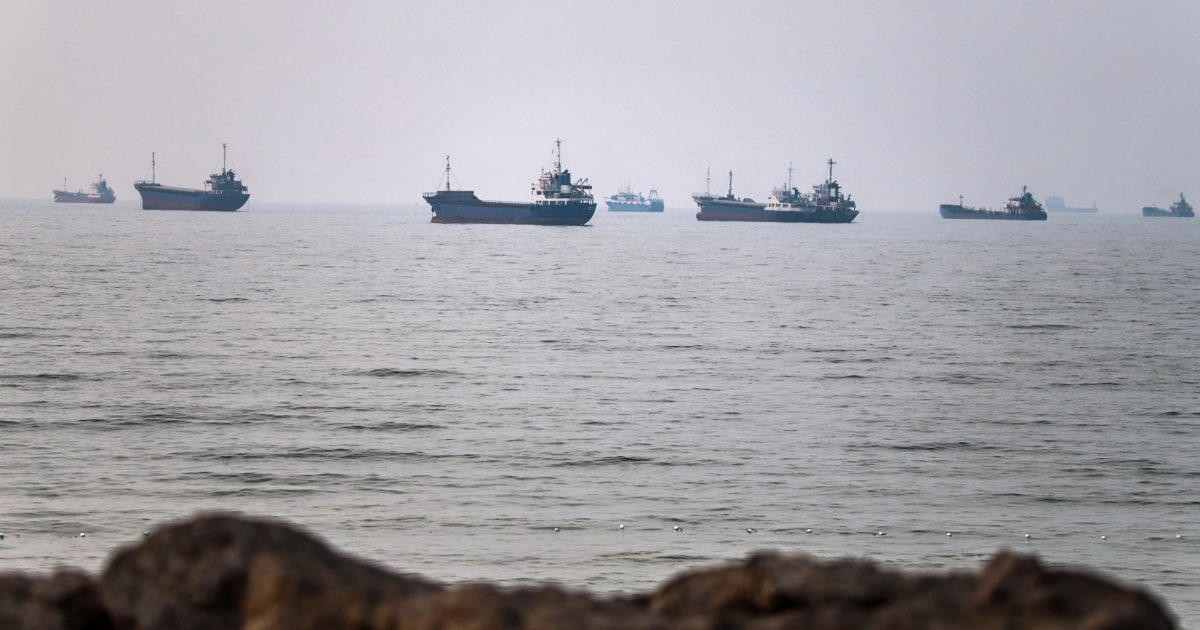

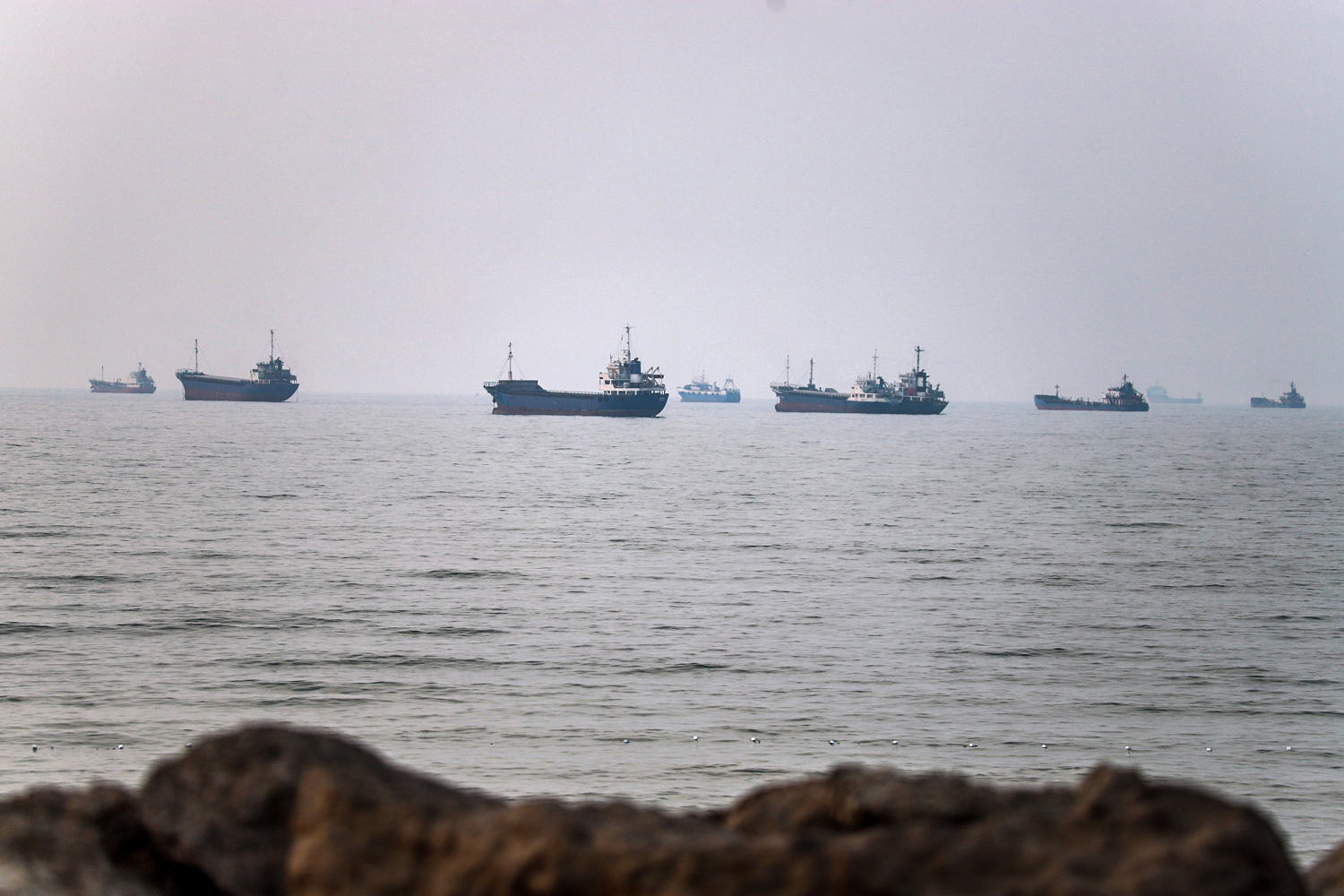
Meanwhile, U.S. stock futures sharply dropped. S&P 500 futures pointed to a drop of more than 1% at Wednesday’s opening bell, Nasdaq 100 futures dropped 1.5% and Dow Industrial Average futures slid more than 710 points. The drop in stock futures compounded what was already a chip and tech-stock fueled sell off that started on Tuesday. Russell 2000 futures, which track small and mid-cap companies, tumbled 1.6%. Heating oil prices, a proxy for jet fuel, climbed 2%. In turn, airline stocks were some of the hardest hit shares in pre-market trading. Delta Airlines and Southwest Airlines tumbled 3%, while United Airlines fell 3.5%. Other travel stocks, such as Carnival and Royal Caribbean Cruises fell by almost 4%. Global stocks also sold off, with flagship stock indexes in Spain, Germany and France plunging 2%. Benchmark indexes in Italy and the U.K. fell by around 1.5%. On Tuesday, the U.S. said that Iran struck three commercial vessels near the Strait of Hormuz. Tehran has not claimed responsibility for the attacks.Later in the day, the U.S. Treasury revoked a sanctions waiver that allowed Iranian oil to be sold into the global market and U.S. Central Command launched “a series of powerful strikes against Iran” in retaliation for the vessel attacks.“Renewed tensions in the Middle East have interrupted what had become an increasingly complacent market narrative, prompting investors to reassess geopolitical risks after several weeks of pricing in a smooth path toward de-escalation,” said Capital.com market analyst Daniela Hathorn in a Wednesday morning note. “The latest attacks have lifted oil prices, weighed on equity markets and reminded investors that while a ceasefire remains in place, a lasting agreement between the US and Iran is far from guaranteed,” she added.After the U.S. and Iran signed a memorandum of understanding in mid-June, U.S. oil prices stabilized around $69-$70 per barrel and remained there for the better part of three weeks.