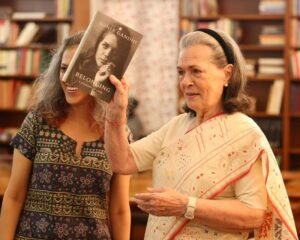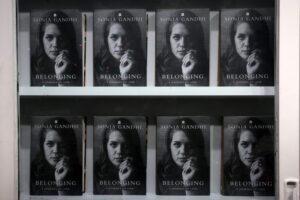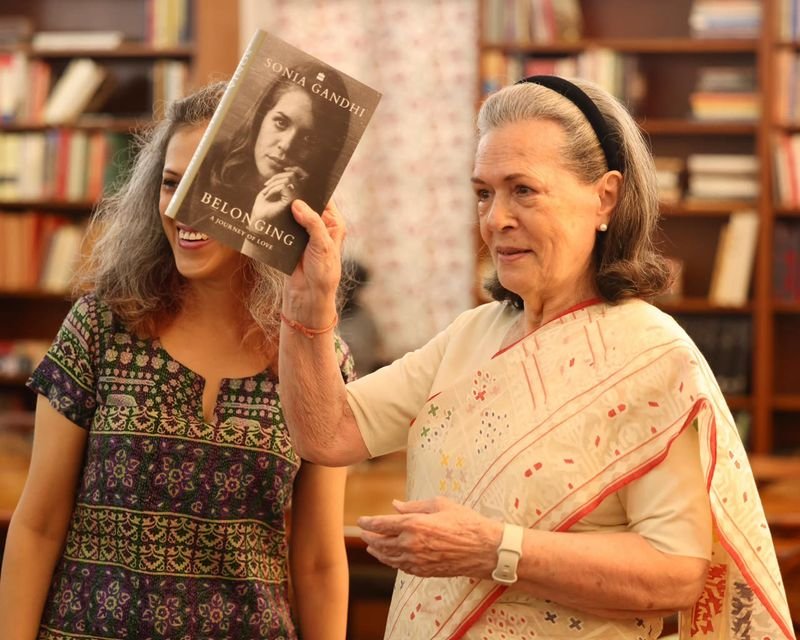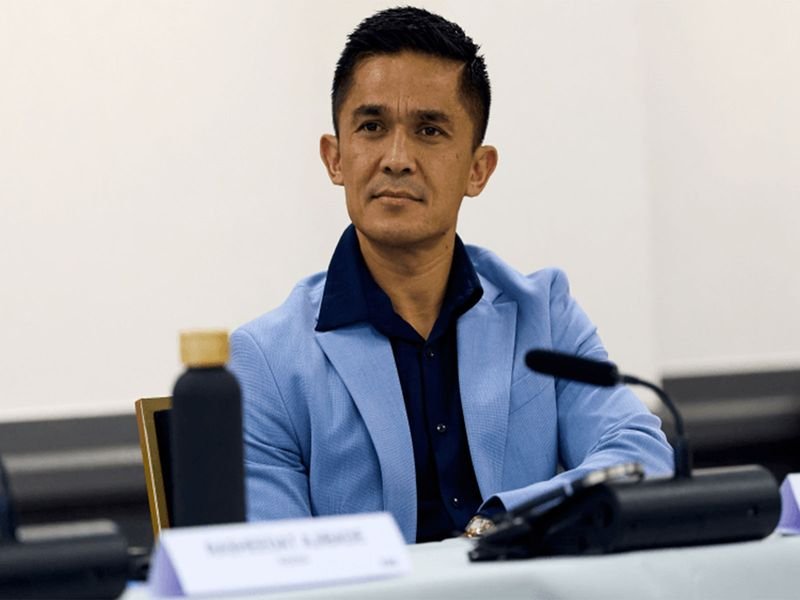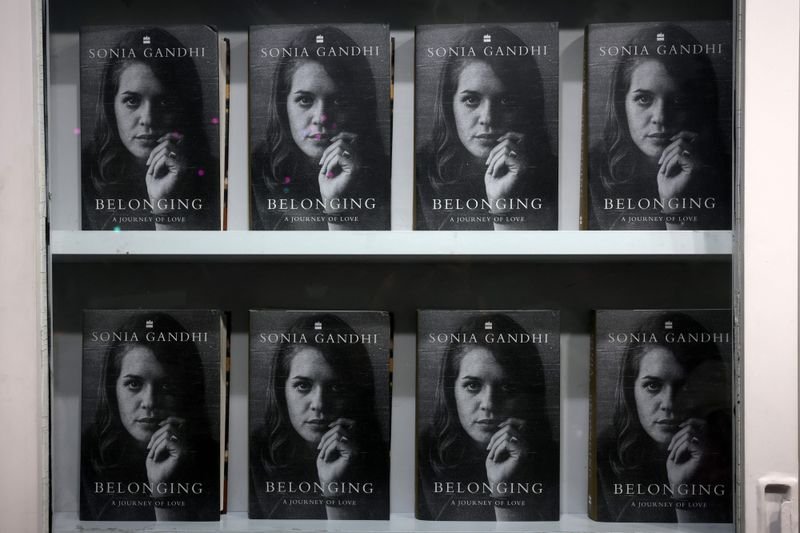

Senior advocate and BJP leader H S Phoolka on Wednesday said the account of the 1984 anti-Sikh violence in Sonia Gandhi’s memoir ‘Belonging: A Journey of Love’, was contrary to the historical record. He accused her of trying to give a clean chit to Rajiv Gandhi and the Gandhi family.Phoolka, who has fought a legal battle for the victims for decades, addressed a press conference here. He was accompanied by Punjab BJP state media head Vineet Joshi. He demanded that Sonia Gandhi either place documentary evidence for her claims on record or apologise.”It was neither a spontaneous riot nor a Hindu-Sikh clash,” Phoolka said. He alleged that Congress leaders, workers and organised mobs targeted Sikhs while the law-enforcement machinery looked away. He called it the murder of thousands of innocents, justice, the rule of law and the Constitution. He said that because of obstruction in the investigation and judicial process, key files and evidence surfaced only after about 18 years.Challenge on October 31Phoolka challenged Sonia Gandhi to name a single incident of public unrest or communal violence in Delhi on the afternoon of October 31, 1984, after Indira Gandhi was shot. He said the memoir tried to create a myth that ordinary citizens flew into an uncontrollable rage the moment the news broke.According to him, the city was peaceful that afternoon. The violence began around 5 pm, he claimed, when organised goons ambushed the motorcade of President Giani Zail Singh outside AIIMS. He described this as the start of a pre-planned political operation, not a spontaneous eruption.Army deploymentPhoolka objected to the book’s account of the delay in calling out the Army. According to him, the memoir says Rajiv Gandhi asked Army chief General A S Vaidya on the night of October 31 to summon troops. The General, it says, hesitated because units near Delhi had Sikh soldiers and instead called troops from distant stations such as Dehradun.Phoolka called this claim ‘factually untenable’. Citing the Justice Misra Commission records and testimonies of senior military officers, he said an Army chief’s role is to make units available on formal requisition. Deployment, sector allocation and shoot-at-sight orders rest with the civil administration, he said.He claimed the commission’s records show nearly 6,000 troops were already available in Delhi between the night of October 31 and the morning of November 1, but were kept in cantonment barracks. Had they been deployed without delay, more than 2,000 Sikh lives could have been saved, he said.Questions to Rajiv Gandhi’s governmentPhoolka asked that if Rajiv Gandhi bore no responsibility, why no action was taken against any police or civil officer who delayed the deployment. He alleged that leaders and officials named by victims were instead given party tickets, ministerial posts and promotions.He also referred to Rajiv Gandhi’s remark that “when a big tree falls, the earth shakes”, saying it was seen as a justification of the violence and amounted to rubbing salt on the victims’ wounds.Phoolka said historical events must be tested against commission records, inquiry files, evidence and testimonies, not personal memories or political interpretations.