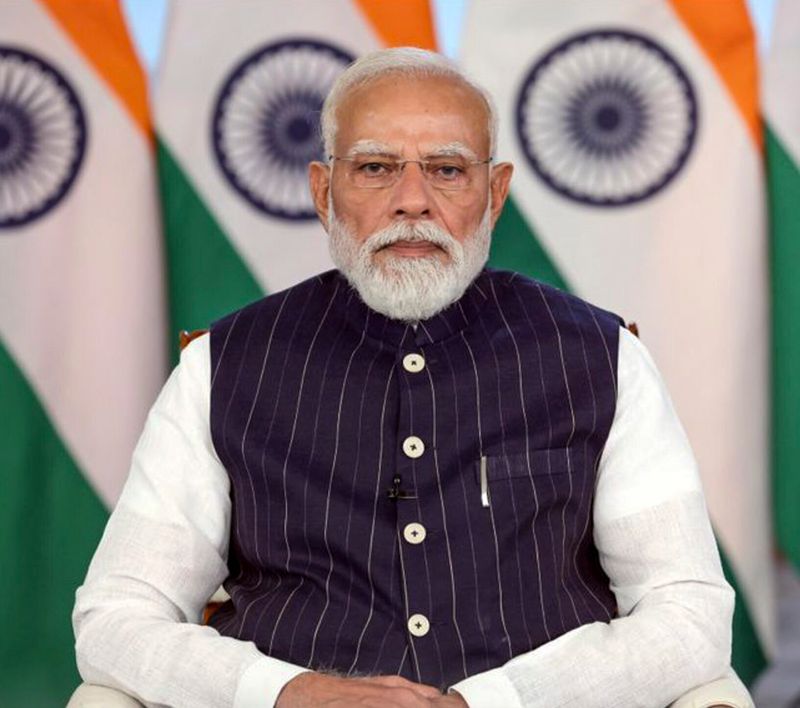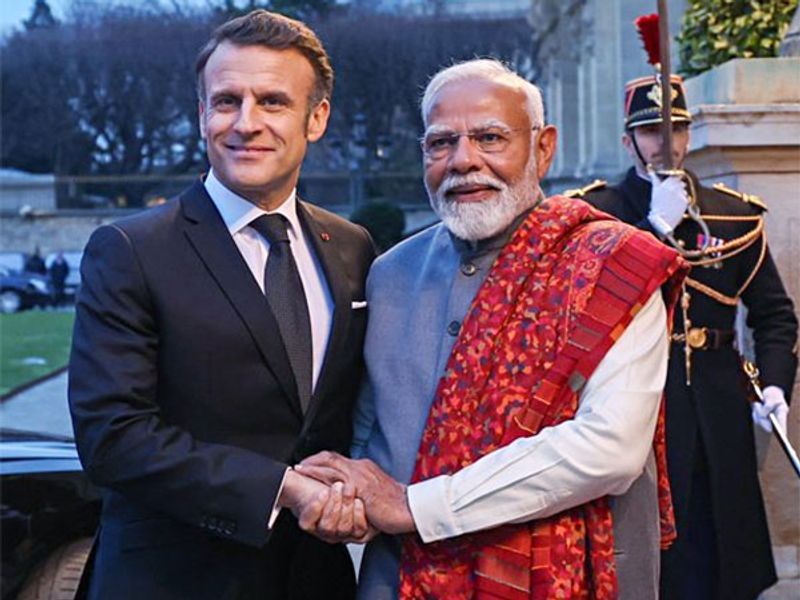

Prime Minister Narendra Modi on Thursday held a telephonic conversation with French President Emmanuel Macron, stressing the “urgent need” to restore safety and freedom of navigation in the Strait of Hormuz, as the fast-evolving West Asia crisis threatens global energy and security stability.“Received a phone call from my dear friend, President Emmanuel Macron. We discussed the situation in West Asia and agreed on the need to urgently restore safety and freedom of navigation in the Strait of Hormuz,” Modi said, signalling India’s deepening concern over the prolonged disruption in one of the world’s busiest oil transit chokepoints.The high-level exchange comes at a time when tensions between the United States and Iran remain precariously poised between diplomacy and escalation. Even as backchannel engagements continue, the situation on the ground remains volatile, with the Strait effectively restricted and global oil markets under pressure.According to the latest developments, discussions are underway for a fresh round of face-to-face negotiations between Washington and Tehran, though no dates have been finalised yet. Pakistan confirmed that the first round yielded neither a breakthrough nor a breakdown, keeping diplomatic options alive.Reports indicate that negotiators from both sides have made limited progress, with talks now shifting towards the possibility of an interim arrangement rather than a comprehensive deal. This includes proposals around temporary curbs on Iran’s nuclear programme in exchange for partial sanctions relief and easing maritime restrictions.However, uncertainty persists over whether the current ceasefire — brokered earlier this month — will be extended beyond its expiry, raising fears of a renewed military flare-up.The standoff has already begun to ripple through global markets. Oil prices rose again on Thursday amid doubts that diplomatic efforts would immediately resolve disruptions in supply chains, with nearly 20 per cent of global oil flows passing through Hormuz.Amid this uncertainty, Pakistan has stepped up diplomatic efforts, with its Army Chief General Asim Munir visiting Tehran and holding talks with the Iranian parliamentary leadership, even as Islamabad continues to facilitate dialogue between Washington and Tehran.The broader regional picture remains equally fragile. The earlier round of talks in Islamabad failed to produce a consensus on key issues, particularly Iran’s nuclear programme, leaving both sides entrenched even as they signal willingness to continue negotiations.