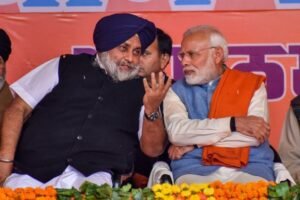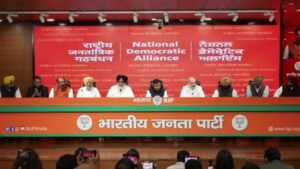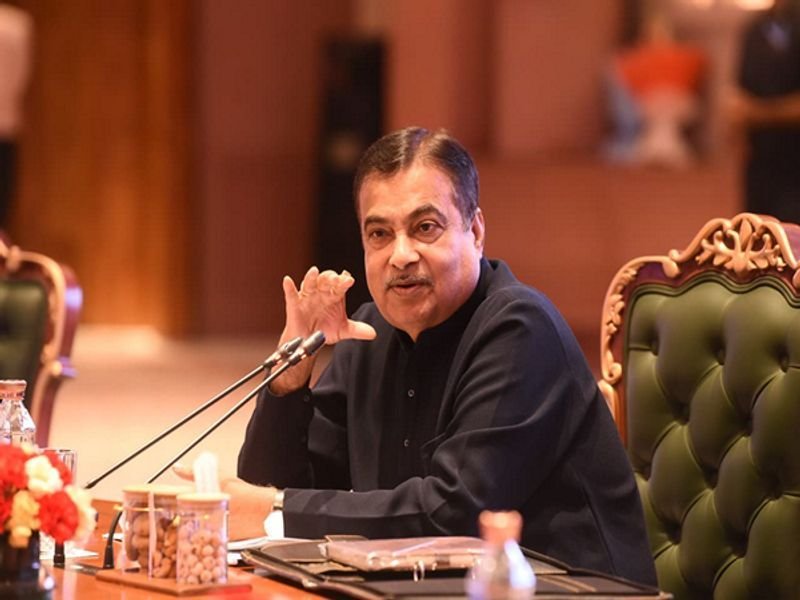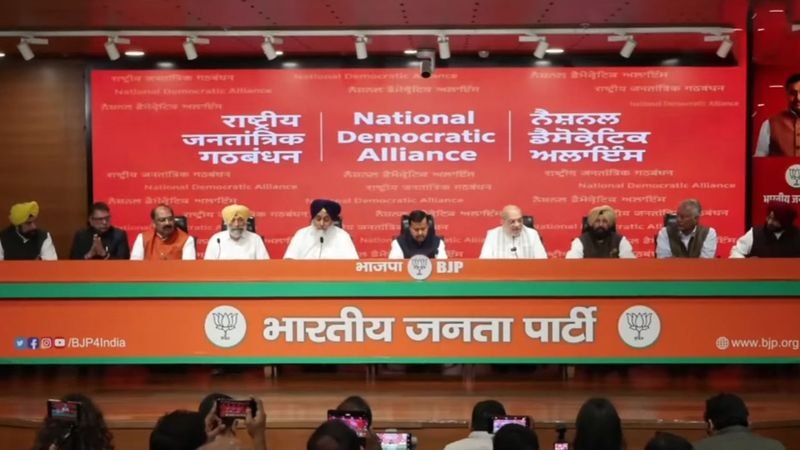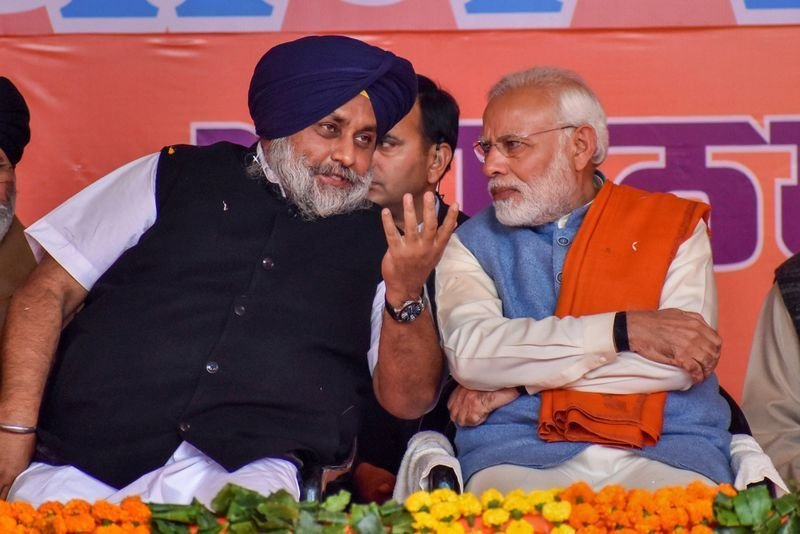

The first signs of a thaw between estranged allies BJP and the Shiromani Akali Dal (SAD) emerged on April 27, 2023, when then BJP president JP Nadda attended the last rites of SAD patriarch Parkash Singh Badal in Lambi, near Bathinda, Punjab.It was the first time since the Akali Dal walked out of the NDA over the farm laws in September 2020 that leaders of the two parties had come together, albeit on a sombre occasion.Though there were no visible signs of a reunion thereafter, the BJP continued to maintain that it was the Akali Dal that had left the NDA and that the BJP never betrayed its allies.The leaders of the two parties, however, remained in touch privately, without making any political commitments.A second significant indication that Prime Minister Narendra Modi wanted to mend ties with estranged allies came during a recent meeting of NDA partners, when he fondly recalled NDA stalwarts Parkash Singh Badal of the Akali Dal, Bal Thackeray of the Shiv Sena and BJP leader Atal Bihari Vajpayee.The gesture was seen as a subtle outreach to former allies, including Sukhbir Badal and Uddhav Thackeray, signalling that the door was open for their return to the NDA.The August meeting between Modi and Sukhbir provided the clearest signal of a possible reunion. Thereafter, the BJP and Akali Dal leadership got down to the nitty-gritty of seat-sharing arrangements and other details of the alliance.The deployment of Modi’s trusted aide and senior BJP leader CR Patil to oversee election surveys in Punjab underlined the Prime Minister’s personal involvement in the border state.Patil led several ground surveys which indicated that while the BJP and the Akalis were struggling individually, together they could emerge as a formidable force.The findings were shared with Modi and Union Home Minister Amit Shah. Though Shah was initially opposed to the alliance, he gradually came around as the party weighed the larger political and national considerations.The BJP eventually took the view that Hindu-Sikh solidarity in Punjab was the need of the hour and that personal grievances should be set aside in the larger national interest, particularly as the state continued to grapple with drugs and narco-terrorism, with forces inimical to India allegedly seeking to exploit the situation.The winnability factor, the need to restore Punjab’s economic health, the fight against drugs and alleged forced conversions, and the BJP’s desire to regain political ground in the state all came together to pave the way for the alliance.Shah subsequently began focusing his Punjab visits on meetings with families who had lost their loved ones to drugs. He personally met the families of Parvinder Singh Jhota and others, promising stringent action against drug networks across the state.The broad ground sentiment, backed by survey findings suggesting that the BJP and Akali Dal could regain their footing in Punjab if they joined hands, remained an important consideration as the alliance and its seat-sharing arrangement took shape.Akali Dal sources said the prevailing sentiment in Punjab was that “ten wasted years of governance needed to be reversed with a government that can deliver”.“The sentiment is that the Akalis, with BJP support, can bring Punjab back from the verge of economic and social mess. Ten years ago, Punjab was a revenue-surplus state, but no longer,” a senior Akali leader said.The Tribune, which has consistently reported that an alliance was on the cards, has reliably learnt that the RSS in Punjab initially favoured the BJP going it alone. However, it eventually came around after Modi made it clear that the issue was about Punjab and its future, rather than just one election.