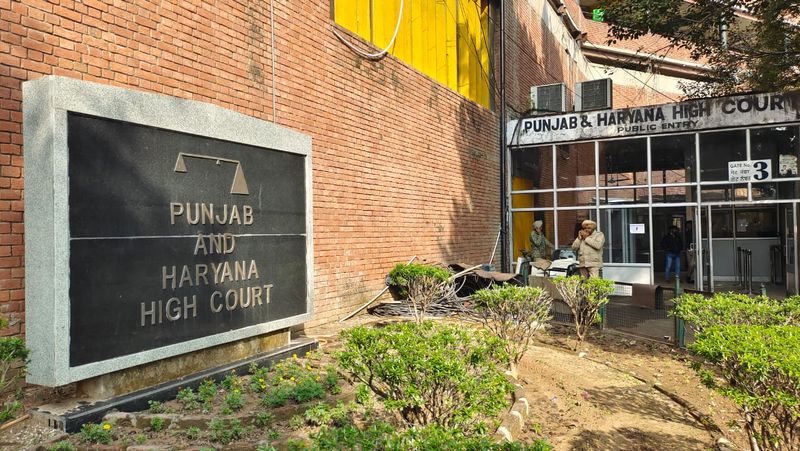

The Punjab and Haryana High Court has directed the States of Punjab, Haryana, and UT Chandigarh—along with all Boards and Corporations—to decide medical reimbursement claims within two months, failing which they will be liable to pay interest at 9 per cent per annum.Prescribing the binding timeline in larger public interest to cure the element of delay in deciding the claims, Justice Sudeepti Sharma admonished the routine, years-long delays in clearing medical bills and made it clear that medical reimbursement was a right—not a favour.The ruling comes in a case where a claimant waited over 15 years for reimbursement of expenses incurred on her husband’s treatment.“This is in larger public interest that this Court laid down maximum time period within which medical bills should be paid. It is need of the hour that, to avoid delay in decision of medical reimbursement bills, a reasonable time period should be fixed by the Court,” Justice Sharma ruled.The Bench added that 9 per cent per annum interest was required to be added to the amount in case of delay in settling the claim beyond the prescribed timeframe so that the departments did the needful within the stipulated period.“The State of Punjab, State of Haryana, and UT, Chandigarh, Corporations and Boards which entitle their employees for medical reimbursement, are directed to decide their claim within a maximum period of two months from the date of submission of the medical bills and beyond that period they would be liable to pay interest at 9 per cent per annum,” Justice Sharma ruled, while directing the High Court Registry to forward the order to Punjab, Haryana, Chandigarh, Corporations and Boards for implementation“Cannot take its own time”: Court on employee rightsComing down heavily on administrative delays, Justice Sharma asserted: “Medical reimbursement is a right of a government employee, which is part of the benefits granted by the government to an employee. It is a legitimate entitlement of an employee which should be granted within a reasonable period of submission of medical reimbursement bills,” the court observed.Rejecting the culture of file-pushing and delay, Justice Sharma asserted the government could not take its own time period to decide or verify the medical bills for reimbursement submitted to it. It was required to be decided within reasonable time period, otherwise the whole purpose of granting medical reimbursement would be defeated. “Medical reimbursement cannot be stated to be alms given to an employee who is otherwise entitled to the same,” Justice Sharma added.Delay defeats purpose; interest must followJustice Sharma held that delay was required to carry financial consequences, while warning departments against sitting indefinitely over claims. “Once an employee is entitled to any benefit which is not granted to him within a reasonable period, it should be granted with interest. Otherwise, the department would not be releasing the benefit for years together and would keep on moving the file from one department to another to decide such a small claim of medical reimbursement,” the court said.Justice Sharma made it clear that it was not so difficult to decide entitlement/reimbursement of medical bill. “It does not and cannot take maximum more than one month and can be decided in a week also,” the court added.Admonition over 16-year waitIn her detailed order, Justice Sharma took note of the fact that the claimant had been waiting since 2009–10 for reimbursement of expenses incurred on her husband’s treatment following a serious road accident in Jhajjar district.“As in the present case, the respondent is waiting till today for reimbursement of her husband’s medical bills, which she paid almost 16 years ago,” Justice Sharma observed while expressing disapproval over the prolonged delay.“Once any government employee is entitled to any claim, it is expected that the same is granted at the time of immediate requirement, failing which, the whole purpose and intention of the State of granting such benefit would be defeated.”Appeal dismissed; employee’s claim upheldDismissing the State’s challenge, Justice Sharma upheld the concurrent findings of the trial and appellate courts. The ruling is significant as the High Court has effectively standardised timelines for medical reimbursements across government bodies by fixing a uniform outer limit of two months and attaching mandatory interest liability, while making it clear that delay in employee welfare claims will now come at a cost to the exchequer.The judgment, in the process, makes it clear that employee entitlements cannot be reduced to discretionary benevolence, nor delayed into irrelevance by administrative inertia.