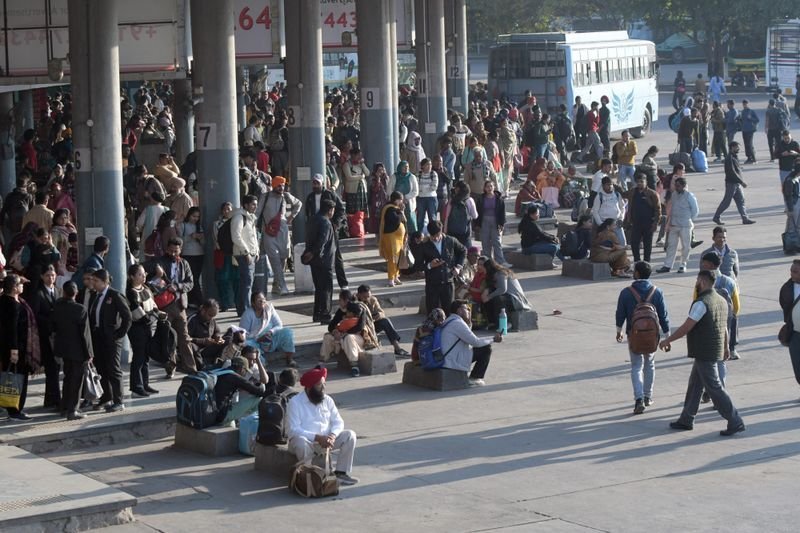

Government-run buses are likely to remain off the roads across Punjab for three days from November 25 as contractual employees of Punjab Roadways and the Pepsu Road Transport Corporation (PRTC) have announced a statewide strike over the government’s failure to fulfil its assurances on their demands.The strike, called by the Punjab Roadways, Punbus and PRTC Contract Workers Union, is expected to disrupt daily travel for thousands of women commuters, office-goers, students and daily-wage workers who rely on government-run buses for transportation across the state.The strike comes amid growing resentment among contractual employees over delays in implementing decisions taken during previous meetings with the state government.According to the union, the government had assured employees of regularisation during an earlier strike. However, appointment letters have so far been distributed only to employees at the Chandigarh depot, while others are still awaiting their identity cards and joining letters.In a video statement, Resham Singh Gill, state president of the union, said, “The employees had held a meeting with Transport Minister Harpal Singh Cheema in Chandigarh on Monday, following which appointment letters were issued to Punbus and PRTC employees at the Chandigarh depot. However, the department was yet to complete the process for employees at other depots. The union had given the government until Tuesday morning to address the issue, failing which it decided to suspend bus services across the state for three days.”Apart from the strike, contractual employees will also hold a protest march with black flags during the state government’s rally in Moga on November 26 to press for their demands, Gill added.The employees are seeking regularisation of thousands of contractual and outsourced workers employed as drivers, conductors and workshop staff, many of whom have been working for more than a decade. Their other demands include an end to recruitment through third-party contractors and the withdrawal of FIRs registered against employees during previous protests.