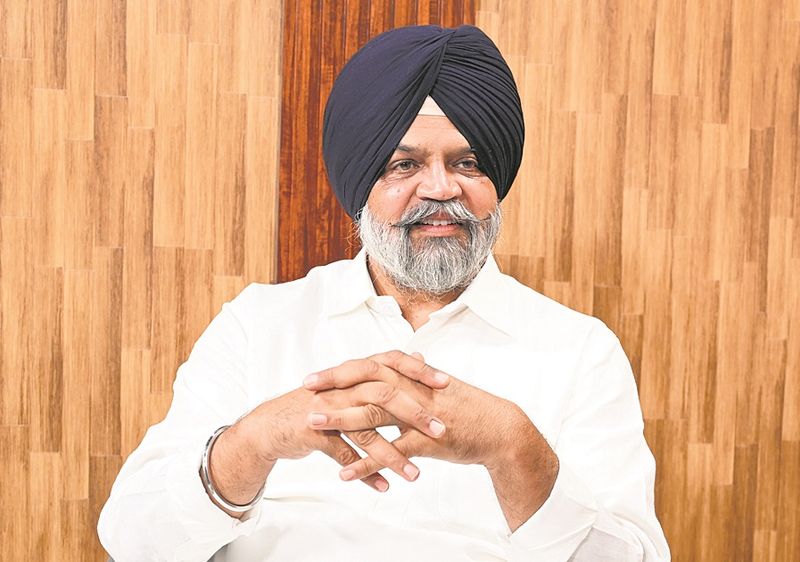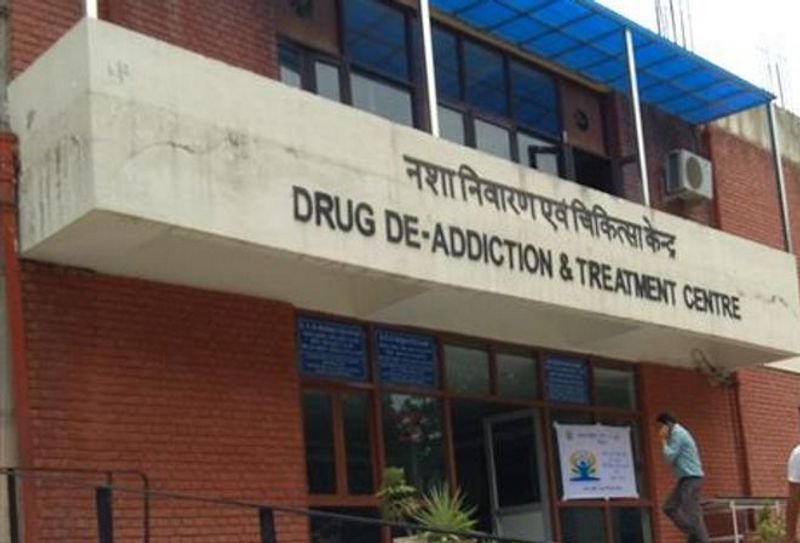

Recovered (de-addicted) youngsters, referred to as ‘Surmas’, and those who have successfully overcome mental health issues will soon be given a policy-making role.They will be part of boards that will keep a watch on de-addiction and rehabilitation centres across the state.Sharing this, Punjab Health Minister Dr Balbir Singh said the government is strengthening State Mental Health Authority by forming district-level boards comprising non-official members, including mental health experts, psychiatrists and counsellors.“Besides, the board members will also include ‘Surmas’ (those who have successfully de-addicted) and mental health survivors,” Dr Balbir said.These boards will regulate mental health clinics and rehabilitation centres in the districts and will be involved in granting affiliation and recognition to mental health facilities.The board members will also provide a forum for patients to lodge complaints.He said there are 213 de-addiction centres, 90 rehabilitation centres and 547 Outpatient Opioid Assisted Treatment (OOAT) centres where addicts can receive treatment.Besides, the government has set up OOAT centres in 19 jails. In addition, de-addiction-cum-wellness centres have been established in 10 jails.“We are making yet another attempt to de-addict people in their own homes,” he said.“This is called ‘Community Bridge Programme’, under which addicts can call Tele MANAS – 14416 for counselling and medicines will be delivered at their homes,” Dr Balbir said.Meanwhile, more than 75 per cent of beneficiaries who received mental health treatment under Mukh Mantri Sehat Yojana were aged between 18 and 45 years, according to data shared by State Health Agency (SHA).As per the Health Department data, 709 beneficiaries received mental health treatment under the scheme during the seven-month period till August 11, involving treatment worth Rs 83.36 lakh.The age profile provides a significant insight. As many as 284 beneficiaries treated cashless under the scheme were aged between 31 and 45 years, while 249 were in the 18-30 age group. Together, the two groups account for 533 beneficiaries, or 75.2 per cent of the total.