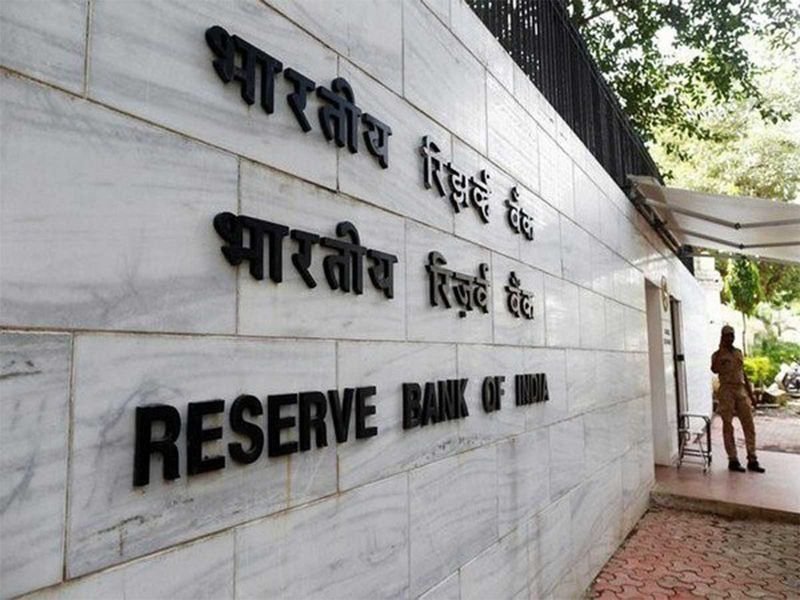

The Reserve Bank of India on Wednesday raised the repo rate by 25 basis points to 5.50 per cent, its first increase in nearly four years, a move that is set to push up loan EMIs, and shifted its policy stance from “neutral” to “calibrated tightening”. This signals that rate cuts are unlikely in the near term and further hikes may be considered amid mounting inflationary pressures, a weak rupee and elevated crude oil prices.The six-member Monetary Policy Committee (MPC) of the RBI voted unanimously to raise the repo rate. The decision to change the policy stance was taken with a 4:2 majority.The hike in the repo rate, the first in the tenure of Governor Sanjay Malhotra, who assumed office in December 2024, comes as key global central banks raise rates due to pressure from high oil prices following the West Asia crisis, weak currencies and the impact of El Nino.Malhotra said additional rate reductions were not being considered in the short term. “The length and scope of the rate increase cycle will depend on the real growth inflation trends and forecasts, particularly regarding core inflation, the extent of widespread price pressure and the rapid effects related to the supply shock,” he said.India’s consumer-price inflation rose to 4.82 per cent in August, above the RBI’s 4 per cent medium-term target for a third consecutive month, while core inflation accelerated to 4.2 per cent.The RBI said inflation risks were no longer as benign as they had been a year earlier, pointing to higher food and fuel prices, deficient monsoon rains, El Nino conditions and renewed volatility in international oil prices.“There are also early signs of inflation becoming generalised,” Malhotra said. The RBI marginally raised the forecast for retail inflation for the current fiscal to 5.2 per cent from its earlier estimate of 5 per cent, and said price pressures were increasingly becoming visible across a range of commodities.Oil prices have emerged as a particular risk following the renewed escalation of the West Asia conflict. The Indian crude basket averaged $116.1 a barrel in September, up sharply from $82 in July, the RBI said.The RBI also raised the GDP growth forecast for 2026-27 by 40 basis points to 7.1 per cent, after the economy expanded 7.8 per cent in the first quarter.