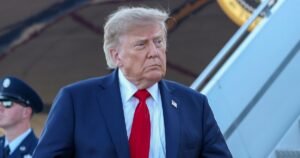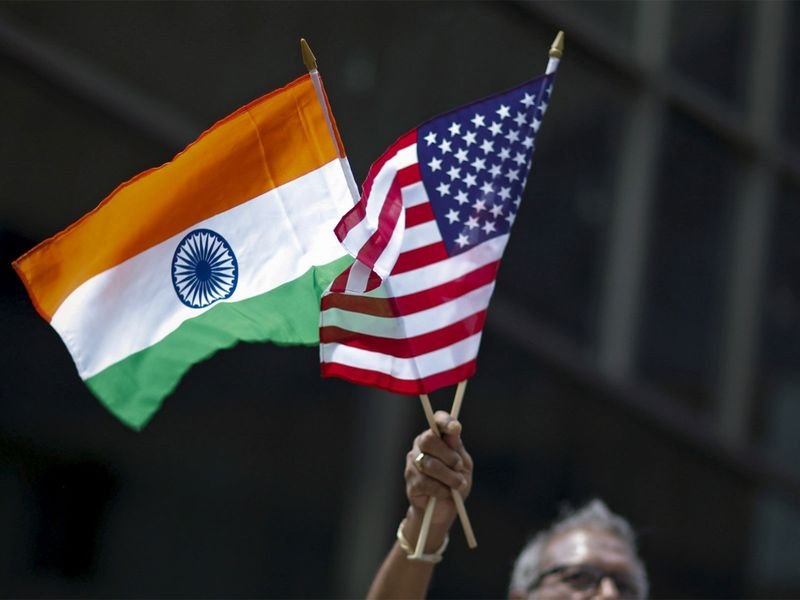

Hours after the US Congress passed the Sanctioning Russia and Iran Act, India on Thursday said it had already conveyed to Washington the potential implications of the legislation for bilateral ties and the international energy market, and that it would take all necessary measures to protect its trade and economic interests.“This issue has been discussed at high levels in recent months with various US interlocutors,” the government said, adding that India had “very clearly articulated” the potential implications for the bilateral relationship as well as the international energy market.The statement came as the US Congress passed the Lindsey O. Graham Sanctioning Russia and Iran Act of 2026, empowering President Donald Trump to impose tariffs of up to 100 per cent on countries buying Russian oil and gas, potentially putting Indian exports under renewed pressure.The government said it was monitoring further developments but stressed that India’s energy policy would continue to be guided by the need to ensure energy security for its 1.4 billion people.“India remains firmly committed to ensuring energy security for its 1.4 billion people. It will continue to do so through diversified sourcing and on the basis of evolving market dynamics,” it said.The legislation was passed by the US House of Representatives by 262-159, after clearing the Senate by 86-11 last month, and now goes to Trump.It gives the US President authority to impose tariffs of up to 100 per cent on goods from countries that meet specified conditions relating to purchases of Russian crude oil and natural gas. India and China are among the major buyers potentially exposed to the provision.New Delhi also signalled that it would work with Indian industry to address the fallout. “The Indian side has also made clear its determination to take all necessary measures to protect its trade and economic interests,” the government said.The legislation seeks to increase economic pressure on Russia over the Ukraine war and includes measures targeting Russian officials, financial institutions, the energy sector and vessels linked to the movement of Russian oil. It also expands sanctions relating to Iran.For India, the key concern is the provision empowering the US President to impose tariffs on major purchasers of Russian energy. The legislation does not automatically impose a 100 per cent tariff on Indian goods; it gives the Trump administration the authority to impose such duties if the specified conditions are met.The development comes at a sensitive juncture in India-US ties, with Washington having previously used tariffs to pressure New Delhi over its purchases of Russian oil. India’s emphasis on diversified energy sourcing leaves its options open as it weighs the evolving global market conditions against the potential economic impact of the US legislation. The government said it would continue to monitor further developments on the legislation.