

EGGS or bacon for a savoury breakfast – yes. But a salad?
Wellness influencers are lauding the benefits of eating vegetables for breakfast, which seems like health on overdrive, but is it really worth it?
Nutritionist and social media influencer Emily English shares her protein-packed vegetable bowl Credit: Instagram/@emthenutritionist
Nutritionist Madeleine Shaw also shares her vegetable loaded breakfast on Instagram Credit: Instagram/@madeleine_shaw_
Nutritionist and social media influencer Emily English (@emthenutritionist) regularly shares protein-packed breakfast bowls loaded with colourful salad ingredients after her morning workouts.
Nutritionist Madeleine Shaw has veggie-forward breakfasts such as black-bean salad with roasted corn and fried eggs among her regular morning go-to’s.
Sign up for the Health newsletter
Thank you!
And Dr Megan Rossi, better known as @theguthealthdoctor, shares simple hacks to get fussy eaters to eat more veg – such as grating courgette into porridge.
As a nutritionist specialising in weight loss, I have to agree with this principle.
NO JAB FAB
£1.50 drink to blast fat fast & ‘zero-misery tricks’ to diet WITHOUT jabs
JAB ALERT
Fat jab warning over new deadly BRAIN side effect risking permanent memory loss
In fact, you could ditch drastic diets for this simple habit.
There is evidence that eating more vegetables can form part of a successful weight-loss diet. The secret to kick-starting your weight-loss journey could be hiding in your first meal of the day, too.
Almost half of Brits (47 per cent ) say they experience their biggest energy slump after lunch, between 2pm and 6pm or later.
A possible culprit behind that afternoon crash could be the choices we make first thing in the morning.
Up to 48 per cent of Brits reach for a bowl of cereal as their breakfast staple.
If weight loss is your goal, (and even if it isn’t), sugary cereals aren’t the best choice.
Emily English’s breakfast is packed full of nutrients, including eggs, tomatoes and cottage cheese Credit: Instagram/@emthenutritionist
Dr Megan Rossi says an easy way to eat extra veg is to add courgette to porridge Credit: Instagram/@theguthealthdoctor
They can be high in added sugar and low in protein and fibre, which may leave you feeling hungry again sooner.
The problem isn’t just what’s in the box, but how much ends up in the bowl.
A standard cereal serving is around 30g, but in reality, it’s so easy to pour considerably more without realising it.
When you consider that popular cereals such as Kellogg’s Frosties and Crunchy Nut Cornflakes contain more than 30g of sugar per 100g, a generous serving can quickly add up.
Even healthier-sounding options such as granola and muesli can contain significant amounts of sugar.
The NHS recommends that adults have no more than 30g of free sugars a day.
So if you have a 100g serving of cereal in the morning, you’re already out.
A low-fibre, low-protein breakfast means hunger is more likely to strike sooner, making it harder to resist snacks later in the morning.
When should you have breakfast?
Emily also adds some bread, basil and sprouts to her breakfast bowl Credit: Instagram/@emthenutritionist
Whether you delay or eat as soon as you wake up, as I always tell my clients, the quality of your breakfast matters more than simply eating it early which makes a standard bowl of cereal one of the poorer choices.
There is some intriguing science behind the idea too.
In a 2026 controlled feeding study, adults who were overweight or obese ate 45 per cent of their daily calories at breakfast.
They lost an average of almost 11lbs on a high-fibre diet and 8.5lbs on a high-protein diet over 28 days.
The study was small, involving just 19 adults, and all their food was tightly controlled, but it does highlight the potential importance of what makes up that first meal.
That’s why I encourage people to look beyond traditional breakfast options and choose meals that are higher in protein and fibre, with plenty of nutrient-rich foods to help keep hunger at bay.
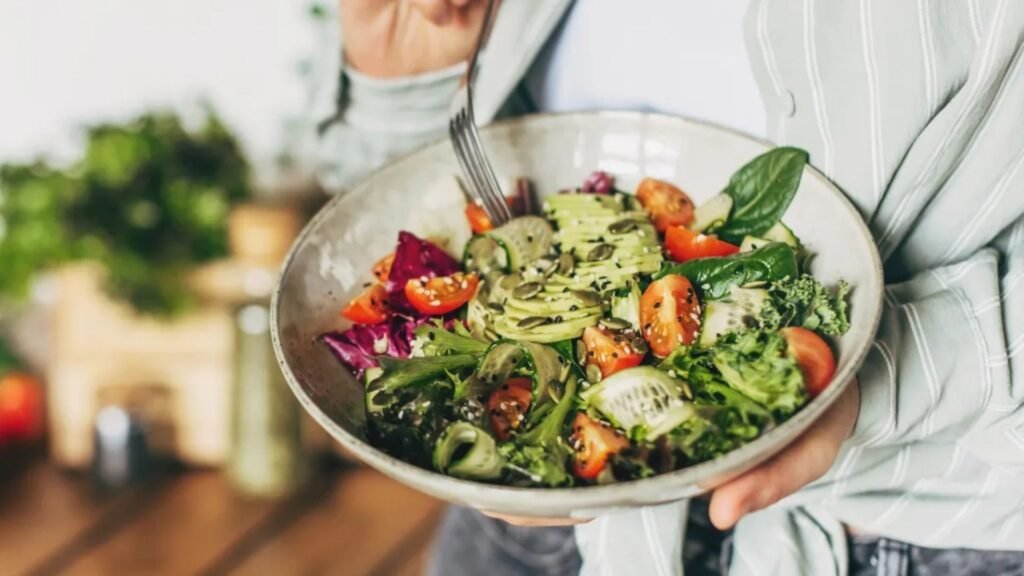
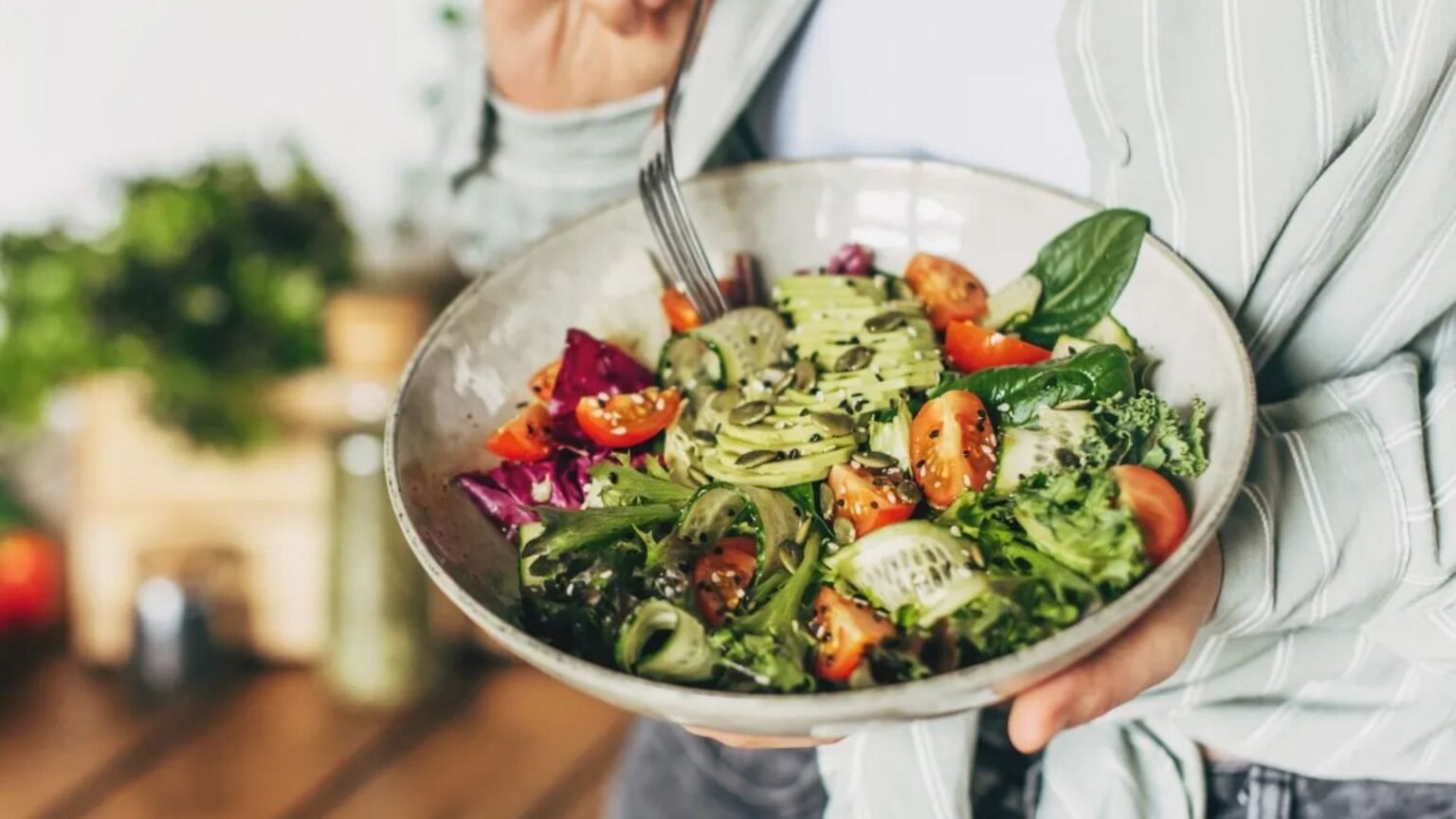
That’s where ‘salad for breakfast’ comes in.
It might sound unusual, but loading your first meal with vegetables is an easy way to add fibre, vitamins and minerals while increasing the volume of food on your plate WITHOUT the huge calories.
Nutritionist Loise Pyne encourages fruit and veg at breakfast Credit: Supplied
Salad breakfast recipe
Here’s a recipe for the viral ‘salad for breakfast’ trend.
Watercress
Start with watercress. The peppery leaf is a nutrient-dense option that provides vitamin K, vitamin C, vitamin A and folate.
Pulses
Mixing up pulses such as chickpeas, beans and lentils helps add plant protein and fibre, making your breakfast salad more filling and helping you stay satisfied for longer.
Eggs
The ultimate breakfast food, two eggs provide around 14g of protein along with brain-supportive B vitamins to help you maintain morning focus.
Beetroot
Purple foods like beetroot are a powerhouse of nutrients. They contain colourful plant compounds called betalains, which have antioxidant properties.
Avocado
Loaded with healthy monounsaturated fats to support cognition whilst adding creaminess and flavour, avocados also provide fibre, folate and vitamin E.
Seeds
Sprinkling a seed mix that contains varieties like sunflower and pumpkin over your breakfast salad adds crunch, protein, fibre and healthy fats.
You may be wary of throwing broccoli in your breakfast.
But one year-long study showed that when overweight adults following a calorie-controlled healthy diet increased their vegetable intake to around 500g a day, they lost an average of 6.5kg over the year.
The study did not show that the vegetables themselves caused the weight loss, but greater vegetable consumption was associated with greater short-term weight loss.
So, in order to lose weight, it may not be so much about the foods you ditch.
Rather, the foods to pile on the plate.
For every meal, think plenty of colourful vegetables, a good source of protein, some healthy fats and, if you like, a portion of whole grains or other carbohydrates.