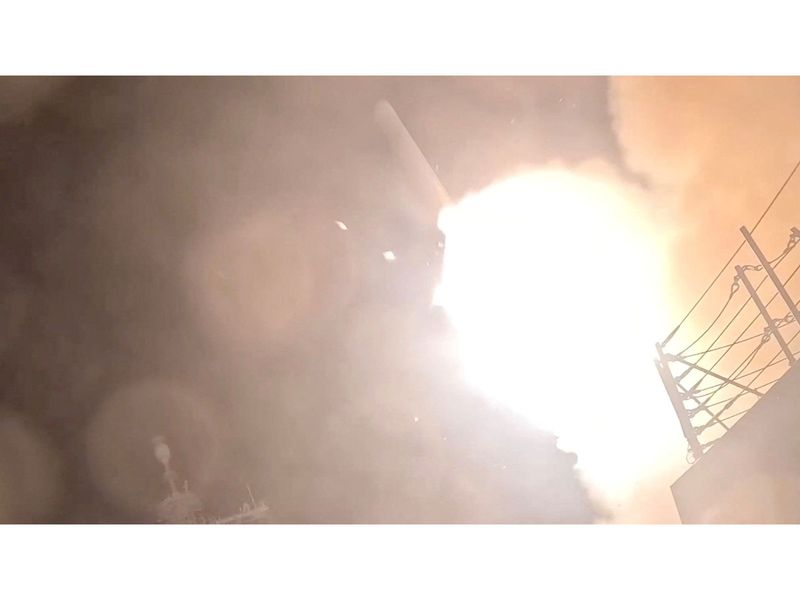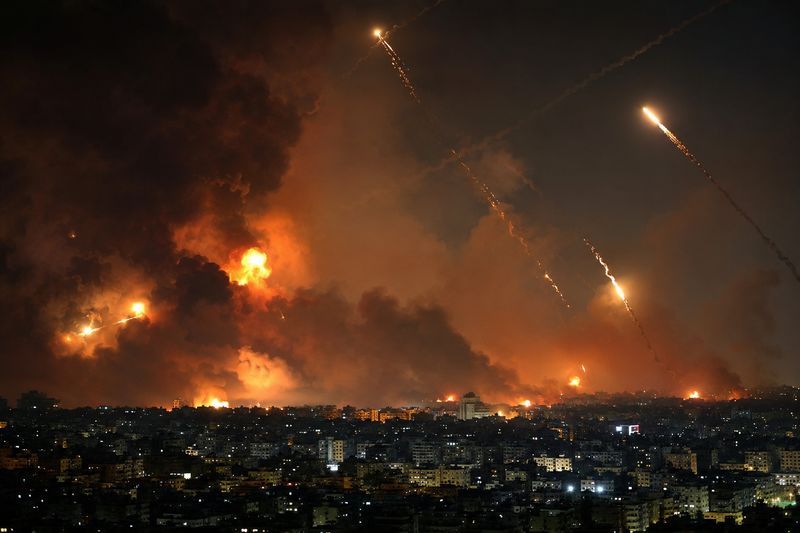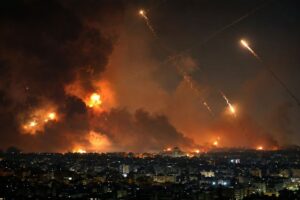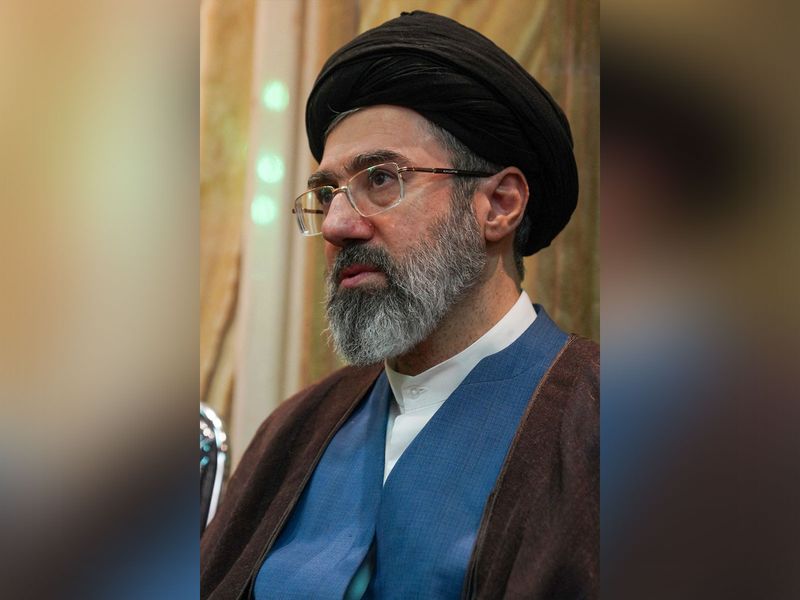

Tehran [Iran], July 19 (ANI): Iranian Supreme Leader Mojtaba Khamenei “is not in Iran,” an Israeli security source cited by Saudi news outlet al-Hadath stated pm on Jattvibeday.Khamenei, who assumed the position of Iran’s Supreme leader shortly after his father was killed in joint US-Israeli military strikes on February 28, has not made any public appearances and has communicated exclusively through written statements since taking office.According to the source cited by al-Hadath, Khamenei’s official messages are authored by the newly appointed Islamic Revolutionary Guard Corps (IRGC) chief Ahmad Vahidi alongside other high-ranking members of the IRGC.”Iran’s internal divisions are deep and threaten the existence of the Islamic Revolutionary Guard Corps,” the Israeli security source was quoted as saying.Furthermore, the Israeli source stated that the United States does not want Israel to participate in retaliatory strikes against Iran, even in the event that Tehran launches an attack on Israeli territory.These severe internal fractures are concurrently playing out on the streets of Tehran.Amidst ongoing military escalations between the United States and Iran, reports indicate that a major internal power struggle has broken out in Tehran, separating ultra-hardline factions from the country’s more moderate public administration.According to a CNN report, radical elements within the West Asian nation are charging the governing leadership with executing a “soft coup” following the conclusion of a 14-point diplomatic agreement with the US.This political volatility directly erupted into public hostility during the funeral of Iran’s former Supreme Leader Ayatollah Ali Khamenei.Foreign Minister Abbas Araghchi, the country’s top diplomat who spearheaded the ceasefire negotiations with the Trump administration, was forced to flee the procession alongside his team after being targeted with rocks by an angry mob.Crowds of mourners took over the site, shouting “death to the compromiser” and branding officials “traitorous sellouts” to express their rejection of the diplomatic pact.The explicit hostility directed at high-ranking state figures exposed deep fractures within Iran’s political core, with CNN reporting that the hardline factions believe the government effectively surrendered by signing an accord that violates the explicit mandates of the current Supreme Leader, Mojtaba Khamenei, rather than launching strikes to avenge the late leader’s killing.Fuelled by this discontent, radical elements further charged the visible leadership, who are managing state affairs while the supreme leader remains out of public view, with conspiring to centralise administrative power by sidelining parliament.”Warning to the people of Iran: Is a coup on the way?” Mahmoud Nabavian, an outspoken hardline lawmaker, questioned on X days prior to the funeral.Following the ceremonies, he posted, “In these moments of farewell to the martyred Imam (Khamenei), we raise the banner of vengeance for his blood and stand firm against the coup.”Consequently, in the wake of Mojtaba Khamenei’s prolonged absence, chief negotiator Mohammad Bagher Ghalibaf, President Masoud Pezeshkian, and Araghchi have become the most prominent figures steering post-war Iran, leaving hardliners increasingly isolated and resentful of the administration.”Mojtaba’s continued absence means that they don’t have access to him and also that Ghalibaf and allies are effectively in charge of the country… the ultra-hardliners have thus accused Ghalibaf and Pezeshkian of plotting a ‘coup’ against Mojtaba,” Arash Azizi, a US-based Iran researcher, stated to CNN.Bypassed by this shifting power dynamic, the ultra-conservative elements utilised the multi-day funeral to broadcast demands for military retaliation against Washington and to openly declare their refusal to accept any agreement brokered with the Trump administration.Following recent cross-border military strikes between the two nations, those demands appear to be materialising.Concurrently, hardliners accuse the visible leadership of systematically undermining traditional state bodies to sustain their control.”They are trying to elevate the role of the Supreme Council for National Security while diminishing the role of the supreme leader and parliament,” hardline parliamentarian Kamran Ghazanfari asserted in a video address earlier this month, referencing the body currently overseeing sensitive wartime operations.”This is the political coup they have designed and are carrying out step by step.”Ultimately, as external hostilities with the United States persist, Iran continues to face severe challenges in maintaining internal domestic cohesion. (ANI)(This content is sourced from a syndicated feed and is published as received. The Tribune assumes no responsibility or liability for its accuracy, completeness, or content.)