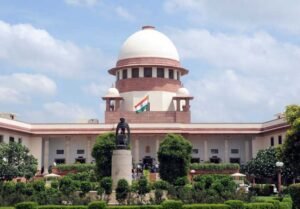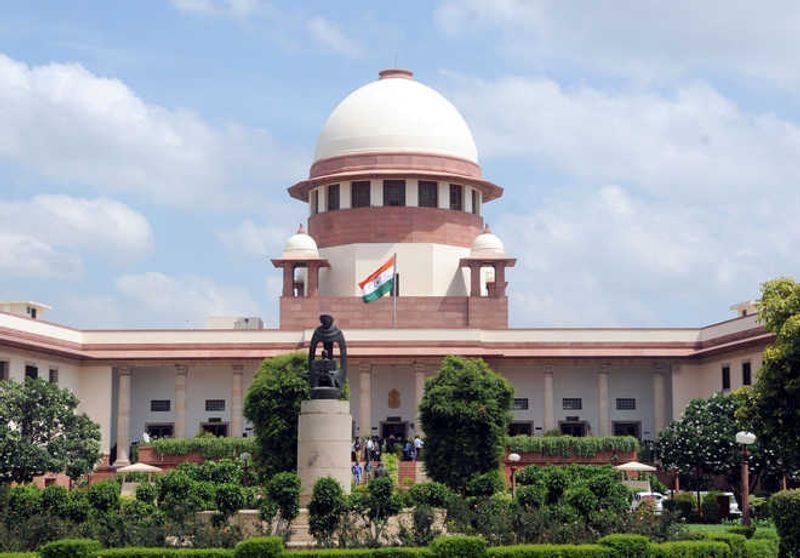

The Supreme Court has issued notice to the Centre on a petition seeking constitution of a National Judicial Pay Commission (NJPC) to review the pay and service conditions of judges across India.Asking the Centre to respond to the petition filed by the Maharashtra State Judges’ Association, a Bench led by Chief Justice of India Surya Kant posted the matter for hearing on October 14. The association has sought a direction to the Centre to immediately constitute an NJPC to comprehensively review and recommend the pay, allowances, perquisites, service conditions, pension, post-retirement benefits and other terms of service of judges of the Supreme Court and of all 25 high courts as also judges of district and subordinate courts in states and union territories.The association has sought a direction for the NJPC to submit its report and recommendations to the Centre within 18 months of its constitution. It argued that the Centre and states must implement the recommendations within three months of the report being submitted.It demanded a system under which a fresh NJPC would be constituted every 10 years for periodic revision of judicial pay and service conditions and during the intervening period, judicial pay should be adjusted in line with revisions in dearness allowance applicable to Central employees.It has challenged the inclusion of subordinate judicial officers in the union territories within the terms of reference of the 8th Central Pay Commission on the ground that it went against the Supreme Court’s directions on judicial pay in the 1993 judgments and subsequent orders in the All-India Judges Association cases.In its 1993 verdict, the top court had said the practice of entrusting the service conditions of the subordinate judiciary to the same pay commissions that dealt with other government services required reconsideration and that there was a need for an independent commission exclusively for judicial service conditions. The judicial officers should have a separate pay structure and that their pay should be specifically considered when pay commissions or committees were constituted, the top court had said.