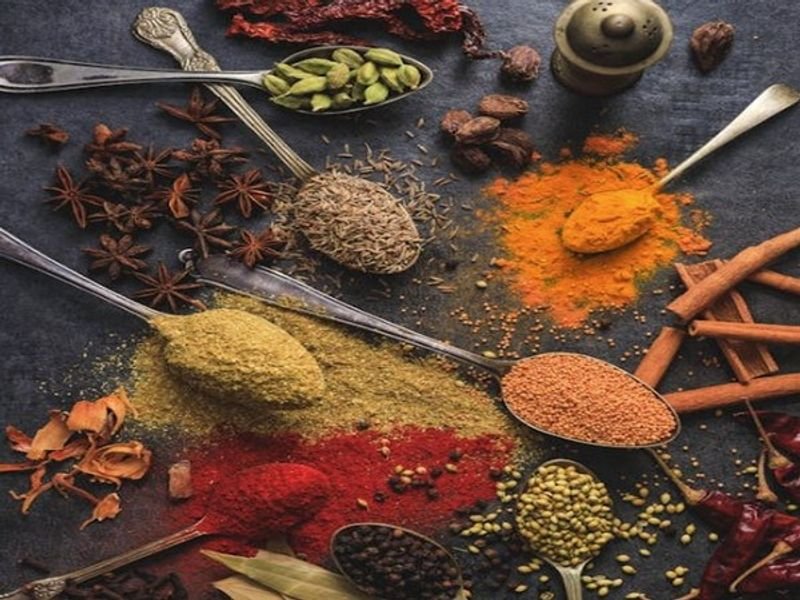

A resolution seeking the reopening of the traditional Silk Route for cross-border trade in Central Asia and European countries, moved by MLA Jaswant Singh Gajjan Majra in the Punjab Assembly last week, could not be taken up for discussion due to pressing political issues. The issue, however, assumes significance in the context of the state’s export industry facing tough times amid the crises in West Asia.There are frequent references to the over 6,400-km Silk Route, throughout the region’s history, in writings by different scholars between the second and 15th centuries AD. At least 12 sites on the Silk Route, located in Punjab, Bihar, Jammu and Kashmir, Maharashtra, Puducherry, Tamil Nadu and Uttar Pradesh, have been granted World Heritage status. There are also references to merchants from the Hoshiarpur area using the route via Srinagar, Leh and the Karakoram Pass to trade spices, tea and textiles for raw silk, carpets and precious stones.The crises in West Asia and rising tariffs by the US are forcing traders to look for alternative options. The worst-affected trading segments in Punjab include readymade garments, cycles, auto spare parts, hand tools and rice units in Ludhiana and Amritsar.Experts have spoken of a 15-20 per cent increase in the input costs for exporters as an impact of the war. Exporters of rice and auto components have reported shipment delays and related problems in contract negotiations. They have also been flagging reduction in their profit margins.It has been argued that traders along the traditional route will benefit from its revival for the obvious reasons of saving time and money, as compared to transporting commodities by sea.SignificanceEver since the disintegration of the USSR in 1991, various initiatives were attempted at reviving the traditional Silk Route. Proponents argue that the route would connect different parts of Asia with Europe and even Africa. This would be a major opening for landlocked areas like Punjab from where commodities could be transported across borders through the road instead of having to cover long distances to reach seaports.Prolonged instability in Afghanistan is seen as the biggest stumbling block to establishing a permanently secure passage, which is essential for any trade. So, the land route was not an easy option in practical terms. Geopolitical and economic differences between different power groups continue to weigh heavily on practical resolutions for international trade.Punjab exportsOfficially, from the financial year (FY) 2021-22 to FY 2025-26, Punjab’s agricultural exports expanded from $728.26 million (Rs 5,461.95 crore) to $1,247.30 million (Rs 10,477.32 crore). The export basket is led by GI-tagged basmati rice ($968.5 million), with high-value agro-processing expansion in cereal preparations ($88.6 million) and dairy products ($61.2 million).Punjab exports basmati rice known for its enticing aroma to the US, the UK, Saudi Arabia, the UAE and Iran. It exports other varieties of rice mainly to Asian and African countries. Wheat markets for the state include Bangladesh, Indonesia, Nepal and the UAE. Punjab exports pulses to Sri Lanka, the UAE, Bangladesh and Canada. Cotton crop export destinations included China, Vietnam, Bangladesh and Turkey. Certain fruits, including mangoes and kinnows, also feature on the list of exported items.Known for high-quality woollens and cotton suits, Ludhiana’s industrial exports includes premium garments, knitwear and hosiery. Agro-based industry products, automotive and auto components, sports and light engineering goods are also exported.Current statusIn a related development, India and China resumed border trade through the old Silk Route at Nathu La Pass in Sikkim in August this year. It was closed during the Covid pandemic. Wagah-Attari was the post for land trade with Pakistan till India closed it after the Pahalgam terror attack in April 2025.