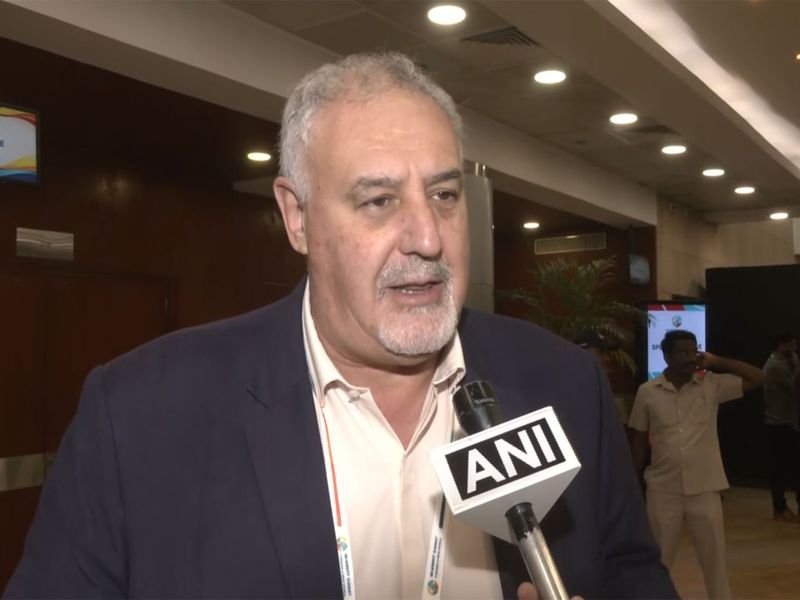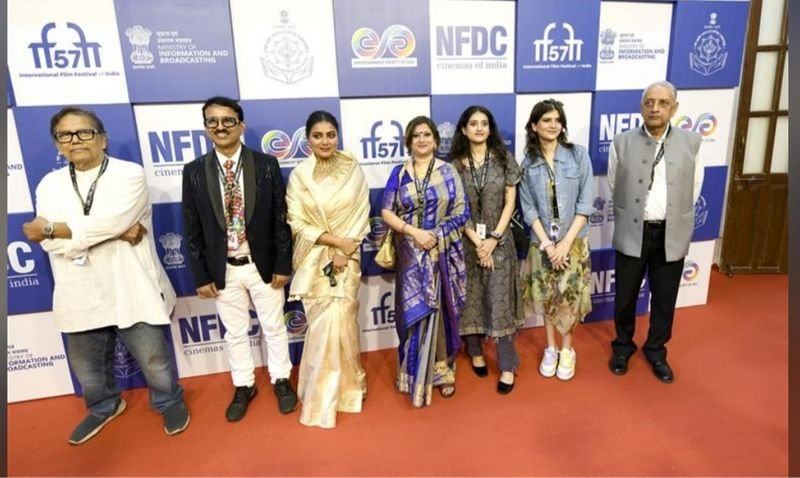

From a village’s extraordinary act of protecting a bird’s nest to deeply moving explorations of motherhood, animal welfare and human relationships, the 57th International Film Festival of India (IFFI) offered audiences a diverse cinematic experience on Monday.The screenings reflected the festival’s commitment to showcasing cinema that goes beyond entertainment, giving voice to lesser-known stories, emerging filmmakers and perspectives rooted in different social and cultural landscapes. Across Indian Panorama, International Competition, Emerging Filmmakers, Gala Premiere and Docu-Montage sections, the films explored themes ranging from childhood and environmental consciousness to motherhood, vulnerability and the power of human connection.Among the highlights was Ohh My Dog, screened under the Indian Panorama Feature Films section. Director Amit Rai said the lack of children’s films in Indian cinema was one of the key motivations behind making the film.Representing the Emerging Filmmakers section, Forever Your Maternal Animal, directed by Valentina Maurel, offered an intimate portrayal of Costa Rica beyond its familiar tourist image.The International Competition section featured The Huntress, directed by Suzanne Andrews Correa. Set in Ciudad Juárez, Mexico, the film draws inspiration from the real-life urban legend of Diana, Hunter of Bus Drivers, bringing a story rooted in real events and local memory to the screen.Another notable screening was Koodu, presented as a Gala Premiere. Inspired by an extraordinary incident in Tamil Nadu in 2020, the film recounts how a village community voluntarily gave up electricity for 35 days to protect a bird’s nest built inside an electrical transformer.The Docu-Montage section presented Revolutionaries Never Die, a film shaped by memory, archives and an unfinished creative exchange. In 2018, Lebanese filmmaker Jocelyne Saab invited Mohanad Yaqubi to collaborate on a film. He did not respond before her death. Years later, Yaqubi transformed that unanswered invitation into a cinematic dialogue with Saab, drawing on her archival footage to revisit her work and legacy.Beyond the day’s screenings, questions of motherhood, compassion, human vulnerability and the sanctity of life came into focus at a press conference featuring filmmakers associated with Rahma and The Farm, showcased under the International Cinema Section of IFFI.The press conference was attended by Faysal Soysal, director and writer of Rahma; Elif Eda, director and writer of The Farm; and Emre Pekçakır, cinematographer of The Farm. The filmmakers discussed the ideas, creative journeys and social concerns that shaped their respective films, both of which encourage audiences to look beyond their immediate circumstances and recognise the struggles of others.While Rahma explores the emotional complexities of motherhood, Elif Eda’s The Farm turns its attention to animal welfare and the responsibility of recognising suffering beyond the human world.Offering a behind-the-scenes perspective, cinematographer Emre Pekçakır spoke about the distinctive challenges of filming with animals. He recalled spending considerable time on farms and staying close to the cows to understand their behaviour and capture the finer details of their surroundings. Despite the practical difficulties involved, he described working with the animals as an enjoyable and enriching experience.