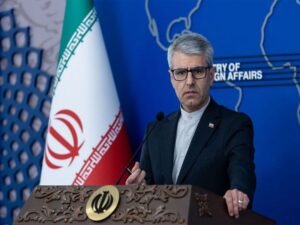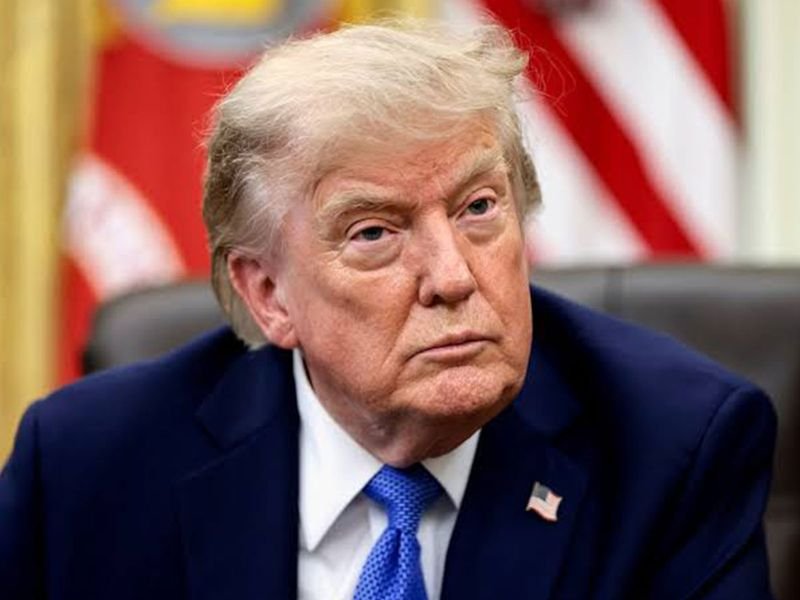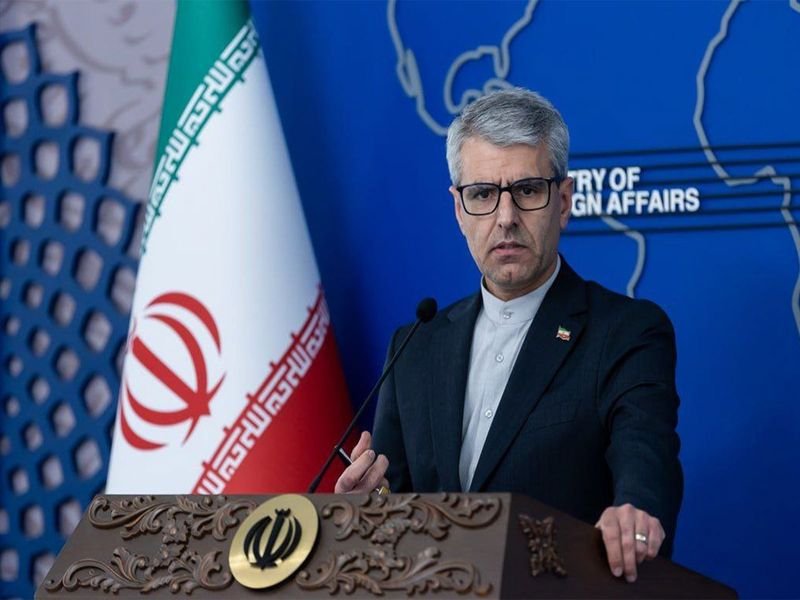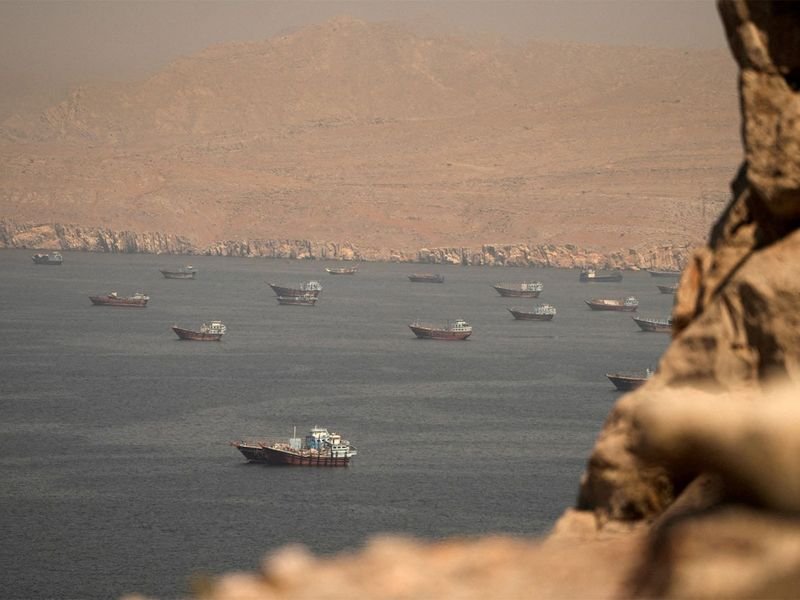

Tehran [Iran], August 13 (ANI): Iran has rejected President Donald Trump’s claim that the United States has “total control” over the Strait of Hormuz, saying the strategic waterway remains blocked and will not be reopened until Tehran’s conditions are accepted.The Persian Gulf Strait Authority, in a post on X, said Trump’s claims and repeated statements by US officials that the Strait of Hormuz was no longer blocked did not change the situation.”Claims and repeated posts by U.S. officials that the Strait of Hormuz is no longer blocked do not change the reality: the Strait of Hormuz remains blocked and will not be reopened until Iran’s conditions are accepted,” the PGSA said.The Iranian response came hours after Trump claimed on Truth Social that the US exercised “total control” over the Strait of Hormuz and “will keep it”. He described the US naval deployment in the region as a “WALL OF STEEL” and said, “there is nothing Iran can do about it”.In a statement on Truth Social, Trump asserted, “The U.S.A. has total control over the Strait of Hormuz. I THINK WE WILL KEEP IT! Our Naval Blockade is being called, by everyone, ‘A WALL OF STEEL,’ and there is nothing Iran can do about it.”Trump further maintained that Tehran’s military infrastructure had been severely degraded, concluding his message with the phrase, “Praise be to Allah!””All they have is FAKE NEWS and 300% INFLATION, and getting worse! Iran is all talk and no action, the Bully of the Middle East No Longer. Praise be to Allah! President DONALD J. TRUMP,” he added in the social media post.The US President’s remarks follow an extended confrontation over the Strait of Hormuz, a key maritime passage through which nearly 20 per cent of global petroleum trade passes.The latest escalation comes after weeks of military exchanges involving Iranian, Israeli, and US forces across the region. The hostilities have intensified apprehensions regarding a wider regional confrontation, accompanied by repeated warnings from Tehran that maritime traffic could be restricted or disrupted if external pressure on Iran continues to mount.In response, Washington has deployed a significant naval presence across the Gulf, reaffirming that guaranteeing freedom of navigation remains a primary security goal.Trump’s statements coincided with ongoing behind-the-scenes diplomatic engagement. Representatives from Washington and Tehran have been involved in indirect discussions regarding terms to alleviate the Hormuz crisis and resume regular maritime traffic.Further, Iran’s newly appointed head of the Supreme National Security Council (SNSC) Mohsen Rezaei warned that Tehran will not fully reopen the strategic Strait of Hormuz until the United States meets “all the conditions.”In a message posted on X, Rezaei outlined Iran’s position on the Persian Gulf shipping route and clarified the required conditions for the opening of the Strait of Hormuz.”IRAN’s message is clear: the Strait of Hormuz will not reopen until the U.S. ends the war and blockade, releases Iran’s frozen assets, and agrees to a region-wide ceasefire, including in Lebanon and Gaza,” he wrote in the post.Rezaei added, “Until all conditions are met, the Strait will remain closed.”The Strait of Hormuz remains one of the world’s most sensitive geopolitical chokepoints, where past military standoffs have routinely triggered spikes in international crude prices and fears of broader conflict. The current escalation has already prompted expanded naval patrols, adjustments to shipping routes by commercial carriers, and renewed international calls for diplomatic restraint.Commercial shipping through the vital corridor currently continues under tight security oversight, though the environment remains highly volatile. Immediate diplomatic attention remains centred on whether negotiations can yield a temporary truce to mitigate the likelihood of armed conflict while keeping maritime trade routes open. (ANI)(This content is sourced from a syndicated feed and is published as received. The Tribune assumes no responsibility or liability for its accuracy, completeness, or content.)