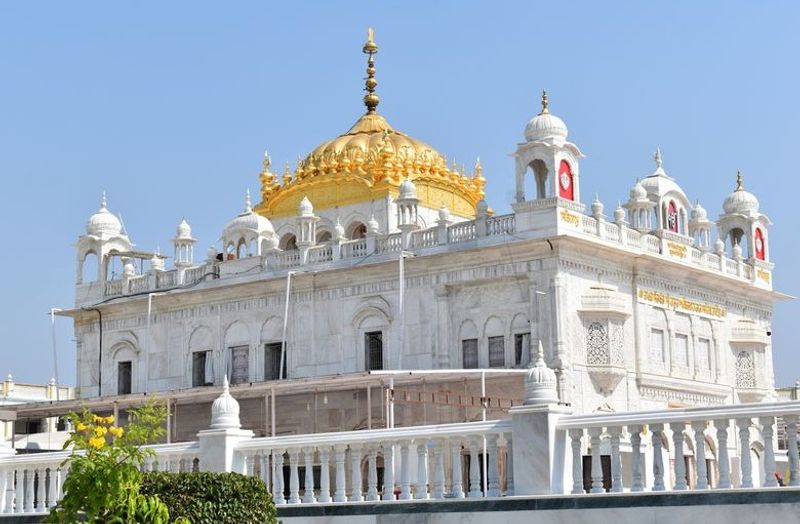

In a significant assertion of religious autonomy, the caretakers of Takht Sri Hazur Sahib have issued a gurmata (collective religious edict) rejecting the Maharashtra government’s proposal to repeal the Nanded Sikh Gurdwara Sachkhand Sri Hazur Abchalnagar Sahib Act, 1956 and replace it with a new law.The decision followed a high-level congregation involving the Panj Pyare (the Guru’s five beloved ones), senior clergy and representatives of various Sikh religious bodies. After deliberations, a unanimous resolution was adopted, firmly calling for the retention of the original 1956 Act.The gurmata, considered a binding, collective decision taken in the name of the Guru, was formally read out by Singh Sahib Giani Ram Singh in the presence of Takht Jathedar Giani Kulwant Singh.According to a senior functionary associated with the Takht, said that it was an attempt to dilute the established traditions of the Takht.The ‘gurmata’ says that the existing administrative framework of Hazur Sahib is rooted in principles laid down by Sikh scholars and guided by the vision of Guru Gobind Singh. The proposed legislation, they argue, risks undermining these foundations.“There is a clear apprehension that the state’s fresh move is driven by vested interests and making interference in Takht affairs,” a former senior functionary observed, reflecting the sentiment prevailing within the shrine’s establishment.The Maharashtra Cabinet, chaired by Chief Minister Devendra Fadnavis, recently approved a proposal to repeal the seven-decade-old Act and introduce a new law titled “Takht Sachkhand Sri Hazur Abchalnagar Sahib Gurdwara Act.”The proposed legislation is slated to be tabled in the ongoing Vidhan Sabha session. Once passed, it will pave the way for a new administrative framework governing the gurdwara board, including revised rules for elections, management and by-laws.The push for a fresh law is based on recommendations by a state-appointed committee, which has suggested structural changes in governance.The move has triggered strong reactions across Sikh institutions, with major panthic bodies—including the Shiromani Gurdwara Parbandhak Committee (SGPC) and the Akal Takht—voicing firm opposition against the government’s repeated attempts to amend the existing law to penetrate and establish its dominance.The organisations have described the move as a direct intrusion into the religious autonomy of one of Sikhism’s five Takhts and have warned against any attempt to alter its maryada (religious code) or administrative independence.Earlier, in February, 2024, the Maharashtra government made an amendment to enable direct nomination of 12 of 17 members of the board. Similarly, SGPC’s nomination was reduced and the Chief Khalsa Diwan and Hazuri Sachkhand Diwan, alongwith the membership of Sikh MPs was abolished. Following a massive protest by the SGPC and other local Sikh oraganisations then, the government was compelled to roll back the amendment. Similar attempts were made in 2018 and 2019 too, but were foiled.