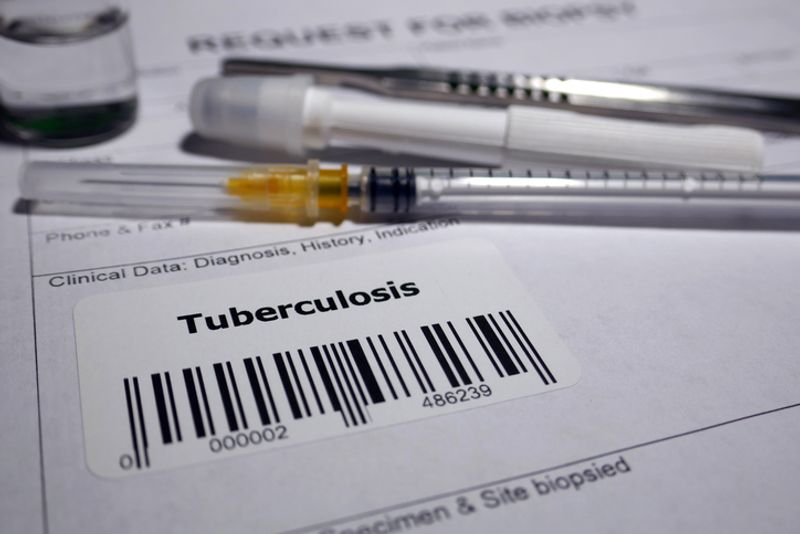

In a significant step towards reducing tuberculosis (TB)-related deaths, the Indian Council of Medical Research-National Institute of Epidemiology (ICMR-NIE) has developed a TB death prediction calculator that can identify severely ill patients at the time of diagnosis and facilitate their early admission to hospitals.The tool, developed under Tamil Nadu’s TB mortality reduction initiative, TN-KET (Tamil Nadu Kasanoi Erappila Thittam), estimates the probability of both early and overall TB mortality among adults with drug-susceptible TB. The model focuses particularly on predicting deaths that occur soon after diagnosis, a period during which the majority of TB fatalities are reported.At the time of diagnosis, healthcare workers use a triage tool that captures five key clinical indicators — body mass index (BMI), pedal oedema, respiratory rate, oxygen saturation, and the patient’s ability to stand without support. These variables help identify three critical conditions associated with a high risk of death: very severe undernutrition, respiratory insufficiency, and poor performance status.Patients identified with any of these conditions are classified as triage-positive and are prioritised for inpatient care. Researchers said this is likely the first TB mortality prediction model to be implemented statewide within a public healthcare system.According to the ICMR-NIE, incorporating the five triage variables into a TB death prediction model based on routine data collected through India’s TB information system, Ni-kshay, significantly improved the model’s predictive accuracy.The impact of the intervention has already been observed in Tamil Nadu. Following the rollout of TN-KET in 2022, six districts in the state reported a sustained decline in TB death rate.Based on these findings, the ICMR-NIE has recommended that other Indian states and countries with a high TB burden consider integrating these five severity indicators into their existing TB information management systems to improve early identification and treatment of high-risk patients.”Considering that nearly 70 per cent of TB deaths occur early and often in resource-constrained settings, it is essential to assess disease severity at the time of diagnosis using simple, readily measurable variables and provide appropriate inpatient care,” the researchers said.They noted that BMI, pedal oedema, respiratory rate, oxygen saturation and the ability to stand without support were not routinely recorded by TB programmes across India. However, the availability of these indicators in Tamil Nadu enabled researchers to develop robust and operationally feasible TB death prediction models capable of identifying patients most at risk.