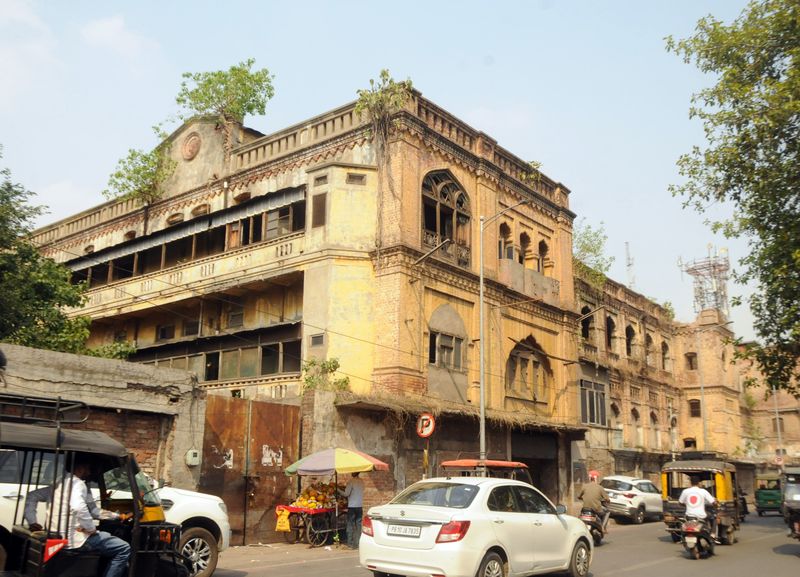

The story of cinema in Amritsar began more than a century ago with a vision far ahead of its time. In 1915, a young entrepreneur, Mahna Singh Nagi, laid the foundation of Punjab’s first theatre, Crown Cinema.It was a bold experiment in a city where audiences were still devoted to live performances and stage shows. The flickering screen initially struggled to find acceptance, but gradually, curiosity turned into fascination.That modest beginning grew into a cultural phenomenon. Over the decades, cinema became woven into the social fabric of the city. By the 1970s, Amritsar — then smaller and quieter than it is today — had at least 25 cinema halls.The journey of Crown Cinema itself mirrored changing times. It was later renamed Pearl Cinema and eventually Chitra Talkies — the same structure that still stands, abandoned and silent, outside Hall Gate. Few passersby today would guess that the plot, purchased by Nagi at an open auction in 1909, once nurtured the dreams of a new form of storytelling.Across the city, single-screen cinemas flourished. Names such as Sangam Theatre, Gagan Cinema, Nandhan Cinema, Aanaam Cinema, Parkash Cinema, Regal Talkies, and Amrit Talkies became part of everyday life.Near the bus stand stood the unique cluster of Suraj-Chanda-Tara Cinemas — three theatres housed in a single building — thriving in an era when buses were the lifeline of travel.However, as time passed, the trajectory of cinema followed a familiar course. The rise of multiplexes in malls and the quiet invasion of digital streaming platforms like Netflix transformed viewing habits. The grand old single screens began to fade. In their final years, many tried to survive by screening B-grade or Bhojpuri films, but even that could not hold back the inevitable.Today, the screens have gone dark, but the buildings remain—standing as relics of another era, when cinema was not merely watched but collectively experienced. And perhaps a day will come when even these structures will no longer exist.