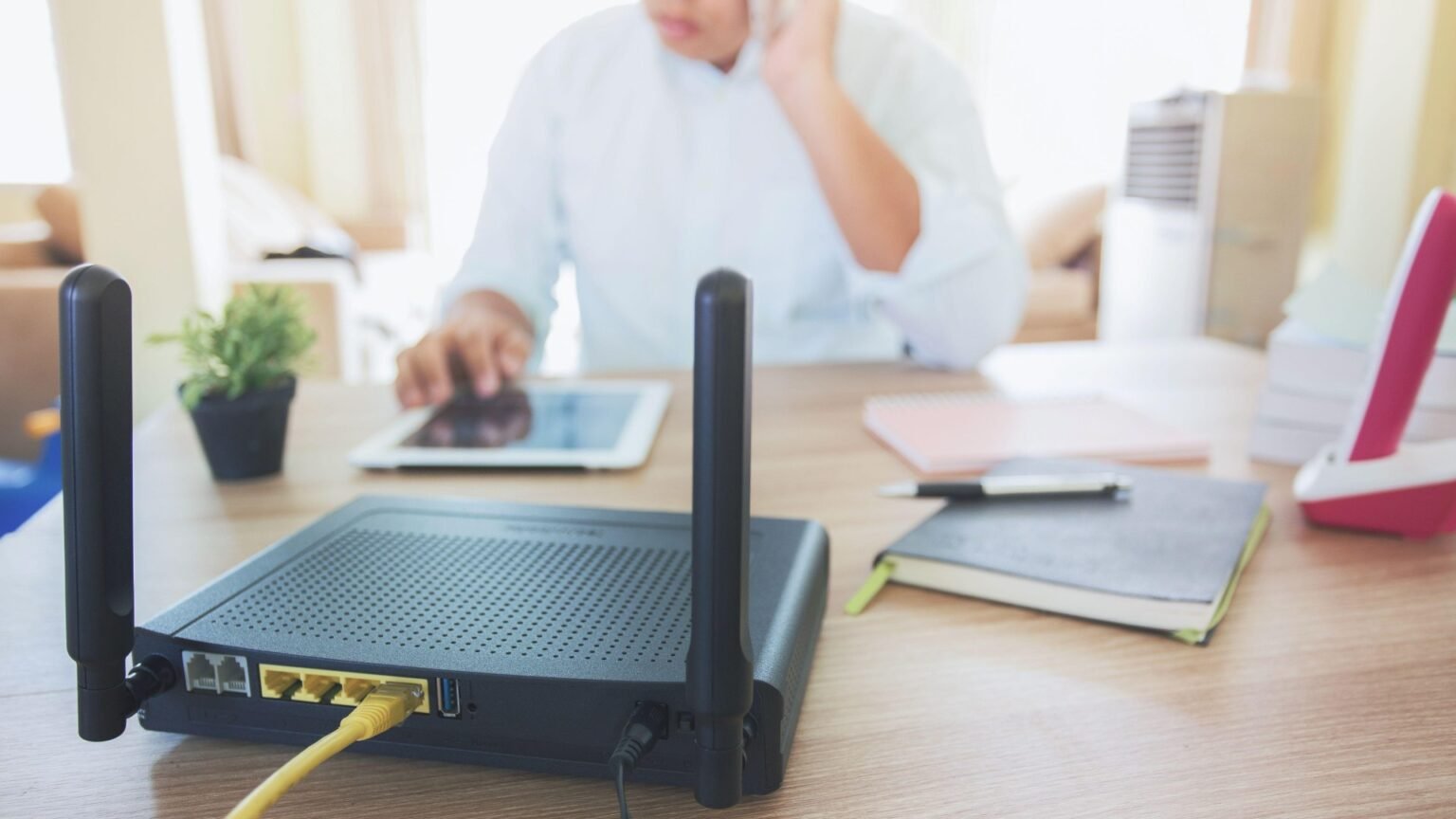


Credit: Alamy Stock Photo
FROM £1.25 Freddos to sky-high energy bills, the cost of everyday life has rocketed.
Your weekly food shop costs more. Energy bills have shot up. Even the humble first-class stamp has become eye-wateringly expensive.
While Freddo’s have gone up by 40%, broadband prices have gotten cheaper Credit: PA:Press Association
But there is one household bill that has actually gotten cheaper since 2016 – and millions of households could be paying more than they need to for it.
New research from broadband comparison website Broadband Genie has found that broadband is the only item in its virtual basket of common household expenses to have fallen in price over the past 10 years.
Sign up for the Money newsletter
Thank you!
And while other essentials have become considerably more expensive, broadband has not only become cheaper – the service itself has dramatically improved.
The great British price hike
The research compared the price of a range of everyday goods and household bills now with their cost a decade ago.
The difference is staggering.
And it’s not just the big household bills.
The price of a pint of beer has risen by 39%, bread by 40% and milk by 52%.
Meanwhile, broadband has gone in completely the opposite direction.
The cheapest broadband deals are around 10% cheaper than they were a decade ago.
And for households looking for faster connections, the saving is even more dramatic.
Broadband is getting faster – and cheaper
“In a decade where everything else has skyrocketed, broadband is the single household expense where you can pay less today than you did ten years ago, without sacrificing speed or service,” Alex Tofts, strategist at Broadband Genie.
Back in 2016, budget broadband relied largely on copper lines, with average download speeds of around 14Mbps.
Today, the UK’s broadband infrastructure has undergone a huge transformation, with full-fibre and ultrafast connections becoming increasingly widespread.
Broadband Genie found that an ultrafast package offering speeds of 100Mbps or more cost an average of £39.65 a month a decade ago.
Today, an equivalent deal costs around £26.30 a month.
That’s a whopping 43% less.
So while you might be paying more for your water, energy, food and even your Friday night pint, your broadband could actually be costing you less while delivering a much faster connection.
And there’s another reason households should be looking at their broadband bill.
Millions could still be paying too much
There’s just one catch.
Millions of households aren’t benefiting from those lower prices.
Ofcom estimates that 8.8 million broadband customers are currently out of contract.
If you’ve been with the same provider for years, you could be paying more than you need to.
Broadband Genie estimates that customers can save an average of £183.60 by switching.
Tofts said: “Your provider isn’t going to lower your bill out of goodwill, you have to take action.
“Switching takes minutes, your new provider handles the setup, and you pocket the savings immediately.”
How much have prices risen?
Broadband Genie’s figures show just how dramatically everyday costs have changed:
First-class stamp: +181%
Netflix Standard: +86%
Gas and electricity: +82%
Big Mac: +80%
Water: +69%
Milk: +52%
Rail fares: +41%
Bread: +40%
Freddo: +40%
Pint of beer: +39%
Cheapest broadband: -10%
Ultrafast broadband: -43%
So while pretty much every other household expense has gone one way over the past decade, broadband has gone the other.
And if you haven’t checked your deal recently, your internet bill could be one of the easiest places to cut back.