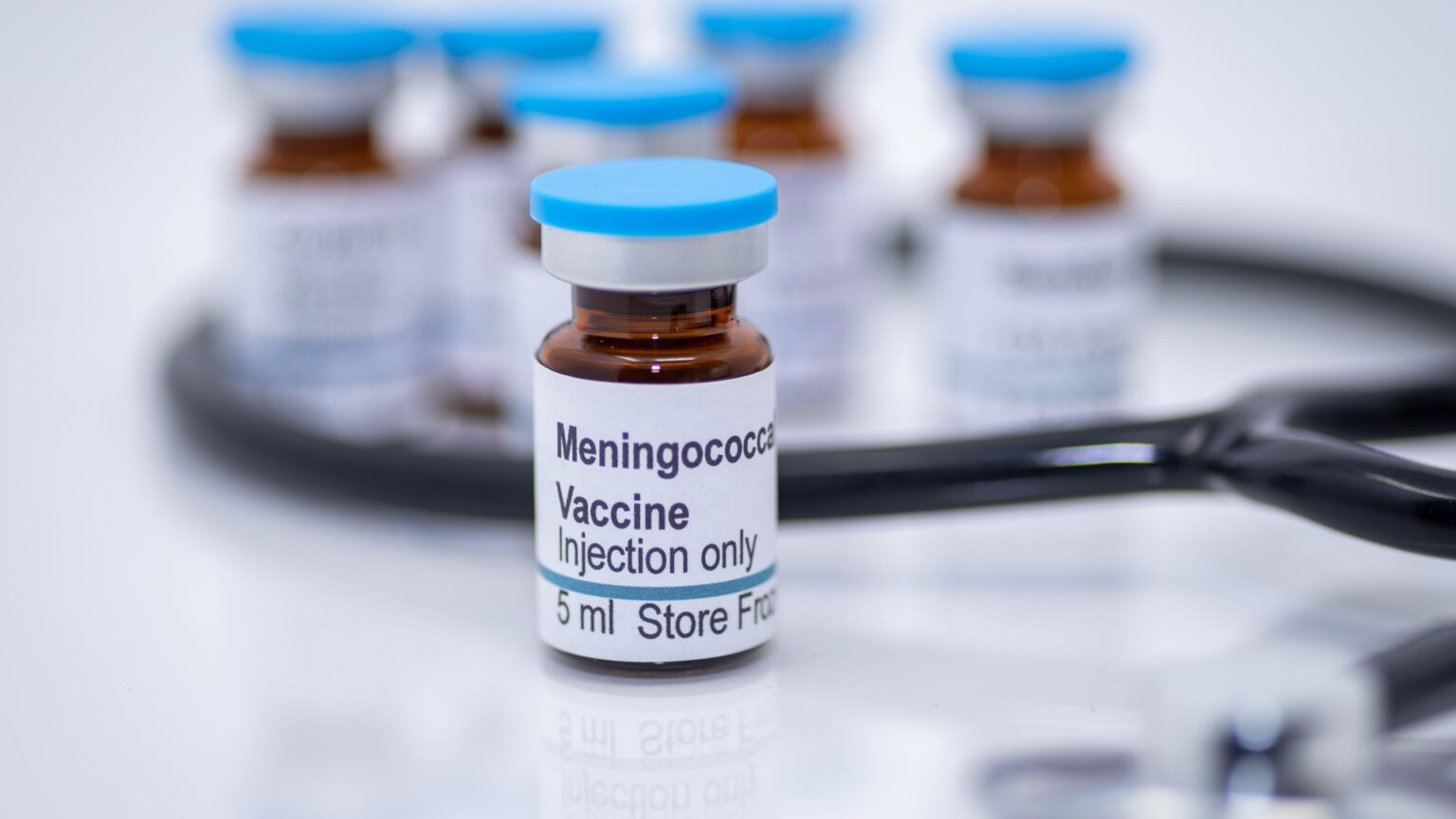


One million youngsters will now be offered the meningitis B (menB) vaccine later this year, the Government has announced.
The jab will be offered under a one-off programme to Year 13 pupils and anyone aged under 25 going to university or into further education this autumn.
Sign up for the Health newsletter
Thank you!
The government has announced that thousands of youngsters will be offered the MenB vaccine this summer Credit: Alamy
The news comes after several outbreaks of meningitis earlier this year, in which three people died Credit: Getty
Young people will be offered two doses of the jab on the NHS, with the first offered from July 20, while the second will be given from August.
Two doses, at least 28 days apart, are needed for full protection.
It comes after a series of meningitis outbreaks this year that have killed at least three teens.
The most serious was in Kent, infecting more than 20 people leaving two students dead.
CHECK NOW
10 conditions meningitis can be fatally mistaken for, including growing pains
TRAGIC DEATH
Teen who died after meningitis outbreak is pictured as family pay tribute
The outbreak in Kent tragically saw a student from the university die Credit: Alamy
Other smaller clusters of meningitis in young people since then have been bigger than expected.
Close and prolonged contact in halls of residence, shared homes and at social events can increase the risk of contracting menB.
The one-off programme has been timed to ensure maximum protection against MenB as cases of the invasive disease typically peak around October and November.
According to the UK Health Security Agency (UKHSA), the risk of MenB in first year university students is substantially greater than for those not at university.
Pupils in Year 13 will be contacted via the NHS app, text or letter to come forward for the jab (Bexsero) manufactured by GSK, while others under 25 will book their appointment directly with pharmacies.
Anyone who misses out on the second August jab because of holidays will still be able to get it in September.
The programme is being delivered by community pharmacists.
Health Secretary James Murray said: “The Kent outbreak and recent clusters indicate a possible change to the way menB affects people.
“While we assess the latest evidence, we are acting now to help protect young people at highest immediate risk as they enter university and residential colleges this autumn.
“The one-off programme will make menB vaccination available to people who complete Year 13 of education in the summer of 2026 born between September 1 2007 and August 31 2008, as well as people under 25 starting university or moving into some residential further education settings for the first time in autumn 2026.
“By offering two doses of the jabs ahead of the academic year, we will help reduce the risk of serious illness and larger outbreaks of this horrendous disease.
“I urge all those students who are eligible to come forward for their two doses in July and August, to give them peace of mind as they head off to continue their studies.”
Students going into their second, third or later year of university are not eligible, neither are postgraduate students starting a masters or PhD.
The Joint Committee on Vaccination and Immunisation (JCVI) is currently preparing advice to ministers on whether a bigger and longer programme is needed for young people.
Dr Shamez Ladhani, consultant epidemiologist at UKHSA, was asked during a media briefing why people in their second year of university, for example, were not being given the jab.
He said: “The question about eligibility is always difficult, because you have to have boundaries to be able to deliver a programme, and at the moment, given how quickly we’ve had to work, we have had to prioritise those who are at highest risk.
What is meningitis and what are the symptoms?
MENINGITIS is an infection of the protective membranes that surround the brain and spinal cord – called the meninges.
It can be very serious if not treated quickly – it can cause life-threatening sepsis and result in permanent damage to the brain or nerves.
Symptoms include:
A high temperature (fever)
Being sick
A headache
A rash that does not fade when a glass is rolled over it (but a rash will not always develop)
A stiff neck
A dislike of bright lights
Drowsiness or unresponsiveness
Seizures (fits)
Call 999 for an ambulance or go to your nearest A&E immediately if you think you or someone you look after could have meningitis or sepsis.
Meningitis is usually caused by a bacterial or viral infection.
Bacterial meningitis is rarer but more serious than viral meningitis.
Vaccinations offer some protection against certain causes of meningitis.
These include the:
MenB vaccine – offered to babies aged 8 weeks, followed by a second dose at 16 weeks and a booster at 1 year
6-in-1 vaccine – offered to babies at 8, 12 and 16 weeks of age
pneumococcal vaccine – 2 doses offered to babies at 12 weeks and 1 year, and a single dose offered to adults aged 65 or over
Hib/MenC vaccine – offered to babies at 1 year of age
MMR vaccine – offered to babies at 1 year and a second dose at 3 years and 4 months
MenACWY vaccine – offered to teenagers, sixth formers and “fresher” students going to university for the first time
Source: NHS
The vaccine is given in two doses and people must ensure they have both to ensure protection from the disease Credit: Getty – Contributor
“The group that is being vaccinated is broadly the group at the highest risk.
“If you’re outside the eligibility, your risk is lower, and therefore it makes sense to protect those who are most needed first and then look at what we’re doing to try and see how best to optimise the programme.”
He said the most likely explanation for the fact more young people seem to have been hit by meningitis clusters this year than previously is that population immunity against menB is currently low.
“The most likely explanation is that we actually have had 25 years of declining cases of menB disease,” he said.
“Now, meningococcal disease cycles go through cycles of 20 to 30 years. It goes down when you have good population immunity, and then that immunity goes down and new strains appear where the population doesn’t have immunity against these strains, and then cases start going up again.”
He said Covid lockdowns may have played a role and it would “not be surprising” but it was difficult to show that.
Meningitis is life-threatening and can result in life-changing disabilities such as amputations, hearing loss, and brain damage.
It is fatal in around 10 per cent of cases.
The viruses and bacteria that cause meningitis can be spread through close contact with a person who has them – this can be through kissing or sharing drinks or vapes, for example.
Reacting to the news, Henry Greg, CEO of the National Pharmacy Association (NPA), said: “We’re delighted the government have listened to calls from the NPA and others to use pharmacies to provide MenB vaccines for older teenagers who may be at risk.
“This will be a huge relief to parents who will be about to send their children to university who will have understandably been concerned about the tragic outbreaks in Kent and elsewhere this year.”
Dr Tom Nutt, chief executive of the charity Meningitis Now, said: “I think this is a great step forward in the fight against meningitis in the UK.
“We would love to see it rolled out further, and we’d love to see this made permanent, but I think at the moment this is a good practical and pragmatic response.”
Who is eligible for the MenB vaccine?
Around one million people who are at “highest risk” of meningitis B are to be offered a vaccine.
What is meningitis and what causes it?
Meningitis is an infection of the protective membranes that surround the brain and spinal cord. It is usually caused by a bacterial or viral infection. Bacterial meningitis is rarer but more serious than viral meningitis.
It can affect anyone but is more common in babies, children, teenagers and young adults.
Meningitis can be very serious if not treated quickly, and can lead to life-threatening sepsis and permanent damage to the brain or nerves.
What are the symptoms?
Symptoms of meningitis and sepsis can include a high temperature, cold hands and feet, vomiting, confusion, muscle and joint pain, pale, mottled or blotchy skin, spots or a rash, a headache, a stiff neck, aversion to bright lights, being very sleepy and seizures.
Symptoms can appear in any order and some may not appear at all.
What is meningitis B?
There are multiple strains of meningococcal bacteria – MenA, MenB, MenC, MenW, MenX, MenY.
MenB is a serious bacterial infection caused by Neisseria meningitis group B.
In 2015 a vaccination campaign was launched to protect babies against MenB.
Why is a vaccination programme being rolled out?
Earlier this year, there was a large outbreak of menB linked to a nightclub in Canterbury, Kent. Two further clusters of cases were also identified in the Weymouth area of Dorset and in Reading.
Health officials have said that as a result of these cases action is being taken “to protect those who are at highest risk immediately”.
All of the outbreaks were caused by different strains of MenB, UK Health Security Agency experts said.
Who is at highest risk?
Health officials said that the peak age of “risk” is 18.
“18 is exactly when their risk goes up, and there’s multiple reasons for that,” said Dr Shamez Ladhani, consultant epidemiologist at UKHSA.
“One is social behaviours – they’re allowed to go into pubs, clubs, drinking, smoking, intimacy.
“And then when they go to university, you get all these students from across the country, all meeting in different parts of the country, and then they’re being exposed to new people, and therefore the risk of being exposed to the bug goes up.”
Who is eligible for the new one-off jab programme?
Young people born between 1 September 2007 and 31 August 2008 and are completing Year 13 in summer 2026 are eligible.
People under 25 starting university for the first time this autumn are also eligible.
Around one million people are going to be eligible, the UK Health Security Agency said.
Who will not be getting the vaccine?
The Department of Health and Social care said a number of groups will not be eligible, including:
Students going into their second, third or later year of university
Postgraduate students starting a masters or PhD
People aged 25 or over starting university
Someone who already started university previously and is returning after a break
People who finished Year 13 before summer 2026 and is not entering university or residential further education for the first time this autumn
Where can I get the vaccine and when?
Young people will be offered their first dose from July 20 with a second dose given in August. Two doses, at least four weeks apart, are needed for full protection.
Pupils in Year 13 will be contacted via the NHS app, text or letter to come forward for the jab while others under 25 will book their appointment directly with pharmacies.
Which vaccine is being used?
The vaccination programme will use the GSK Bexsero vaccine, which offers six to seven years of protection against MenB, health officials said.