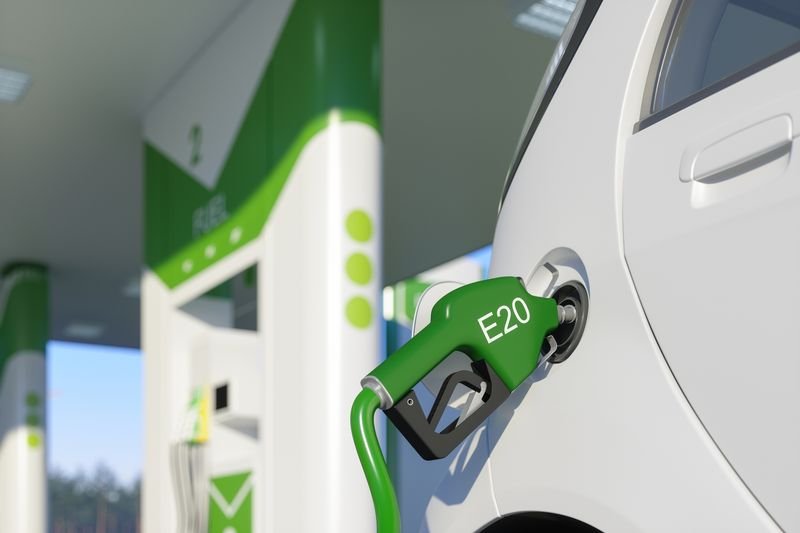

State-run oil marketing companies (OMCs) have officially barred the use of sugarcane juice, sugar syrup and B-heavy molasses for ethanol production in the 2026-27 supply period.Indian Oil Corporation, Bharat Petroleum and Hindustan Petroleum have invited bids for around 11 billion litres of ethanol for the supply year beginning in November, excluding offers based on sugarcane juice, sugar, sugar syrup and B-heavy molasses.This regulatory measure seeks to maintain local retail prices and protect national stock levels. Low rainfall in key cane-producing regions, notably Maharashtra and Karnataka, has raised concerns about the upcoming harvest yield, prompting policymakers to prioritise raw sugar reserves over biofuel production.Ethanol manufacturers must now shift to different raw materials to meet their contractual commitments. Documents clearly endorse offers for ethanol produced from maize, broken rice, damaged foodgrains, C-heavy molasses and surplus rice procured through the Food Corporation of India.Acquiring ethanol from external sources is still forbidden and it is mandated that all involved companies must use their own licensed distilleries. This approach ensures that the nation can keep progressing its E20 mandate, which provides for petrol mixed with 20 per cent ethanol, while protecting food security.The OMCs have also cut the incentive for maize-based ethanol from Rs 5.79 to Rs 2.79 per litre, lowering the procurement price from Rs 71.86 to Rs 68.86 per litre. The lower incentive is expected to reduce returns for producers supplying maize-based ethanol.Since the ethanol supply period runs from November 2026 to October 2027, factors like grain availability, transport logistics, and changing open-market crop prices will determine the efficacy of this procurement cycle.India, the world’s largest sugar consumer, has used ethanol blending to reduce dependence on imported crude oil. However, diverting sugar and sugarcane for ethanol can reduce supplies available for consumption when production is constrained. Ethanol is produced from agricultural feedstocks, including sugarcane and grains, and blended with petrol to displace a portion of fossil fuel consumption.