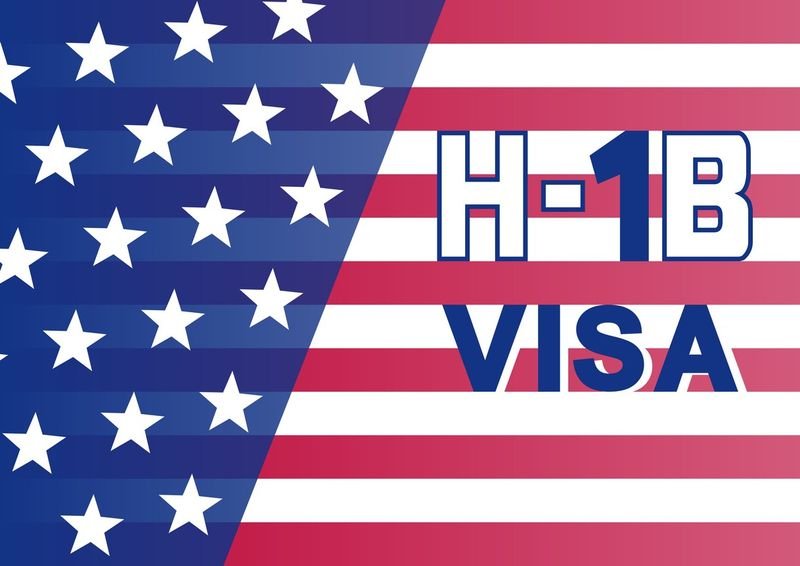

Is the Trump administration’s crackdown on skilled foreign workers aimed at protecting American jobs, or could it also serve as a pressure tactic against India as the two countries negotiate a trade deal?The question has gained urgency after Washington suspended eight major technology companies, including Microsoft, Adobe, Infosys, Tata Consultancy Services (TCS), Wipro, HCL Technologies, Cognizant and Capgemini, from the Permanent Labour Certification (PERM) programme, a key stage in the employment-based green-card process.The move comes amid a wider tightening of H-1B visa rules under President Donald Trump’s “America First” agenda. While it does not cancel existing H-1B visas, it could delay green-card applications for Indian professionals employed by the affected companies.There is no clear evidence that the crackdown is designed to extract trade concessions from India. But its timing and potential impact on Indian businesses make it an important concern for New Delhi.Domestic politics behind the crackdownTrump argues that companies exploit the H-1B programme to hire foreign workers at lower wages, disadvantaging Americans. His administration has tightened scrutiny of applications and introduced a $100,000 fee requirement for certain new H-1B petitions, a measure facing legal challenges.Vice-President JD Vance has accused Microsoft of laying off 6000 American workers while benefiting from thousands of H-1B visas and green cards.The message is aimed as much at domestic voters as employers. By restricting skilled immigration, Trump can demonstrate action on jobs and wages, while appealing to those who believe American workers should take priority over foreign professionals.But US technology companies also depend on global talent to fill specialised roles. Making it harder to recruit and retain skilled workers could undermine the competitiveness the administration wants to protect.Why India is vulnerableIndia has a substantial stake in the US technology market, with its IT companies serving major American businesses and Indian professionals working across the country.The distinction between H-1B and PERM is important. H-1B allows foreign professionals to work temporarily in the US, while PERM is a labour-certification stage in the employment-based green-card process. The latest suspension does not automatically invalidate existing H-1B visas or change their holders’ immigration status, but it could delay permanent residency for affected employees.Indian IT companies may respond by hiring more locally in the US or shifting more work to India. While this could cushion the immediate impact, uncertainty over talent mobility could raise costs and make it harder to retain experienced professionals.Is this pressure ahead of the trade deal?India and the US announced a framework for an interim trade agreement in February 2026, with negotiations covering tariffs, market access and trade barriers.For India, the economic relationship extends beyond goods. The movement of skilled professionals is central to its technology services industry, and tighter restrictions could add to the pressure on New Delhi as it seeks to protect its commercial interests.However, there is no publicly established evidence that the PERM suspensions were coordinated with trade negotiations or intended to secure specific concessions from India.The more likely explanation is that Trump is pursuing his domestic agenda on jobs and immigration. Yet a policy need not target India directly to affect its bargaining position. Restrictions on skilled workers can make access to the American market more difficult for Indian companies, even as both countries seek closer economic ties.The challenge for New DelhiThe Ministry of External Affairs said on Friday that the suspension would not, by itself, affect existing H-1B visas or the status of their holders and dependents. It also defended Indian professionals as contributors to the US economy, arguing that talent mobility benefits both countries.New Delhi must protect its professionals while seeking clarity on the restrictions and predictable rules for skilled-worker mobility.For now, the evidence points more strongly to a domestic political crackdown than to a deliberate attempt to force India into accepting US trade terms. But the economic consequences could still complicate negotiations.Indian IT companies depend on American clients, just as US businesses benefit from Indian talent and services. If restrictions deepen, both sides risk paying an economic price.The key question is whether Washington will keep the crackdown focused on its stated labour-market objectives or allow immigration to become another source of friction in the trade relationship. India should not assume a deliberate link without evidence, but it cannot afford to ignore the wider implications.