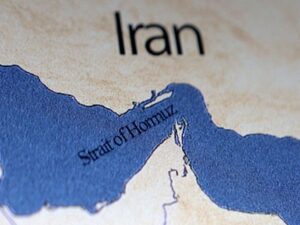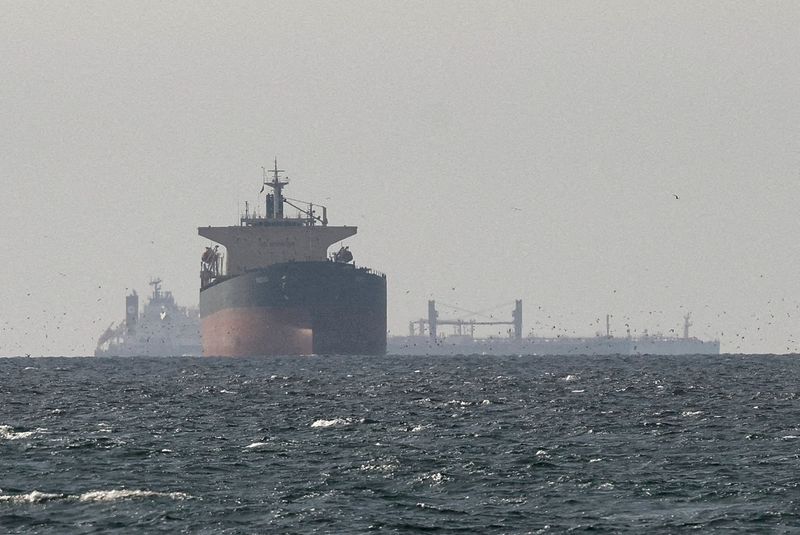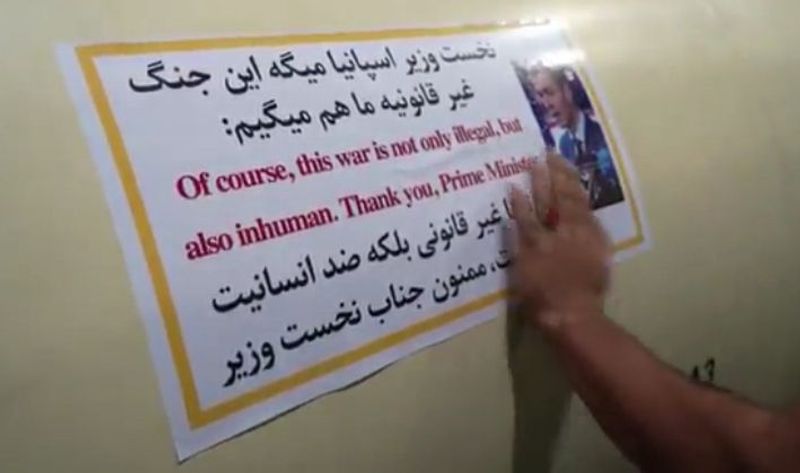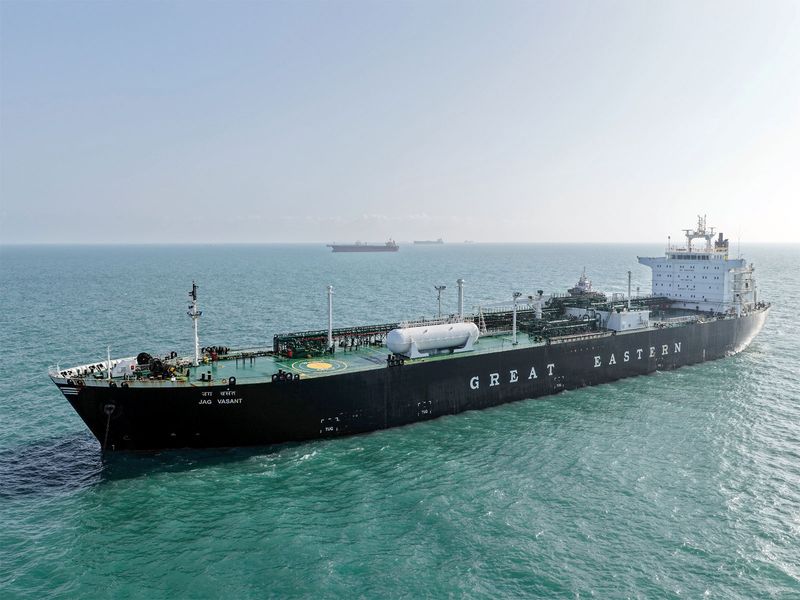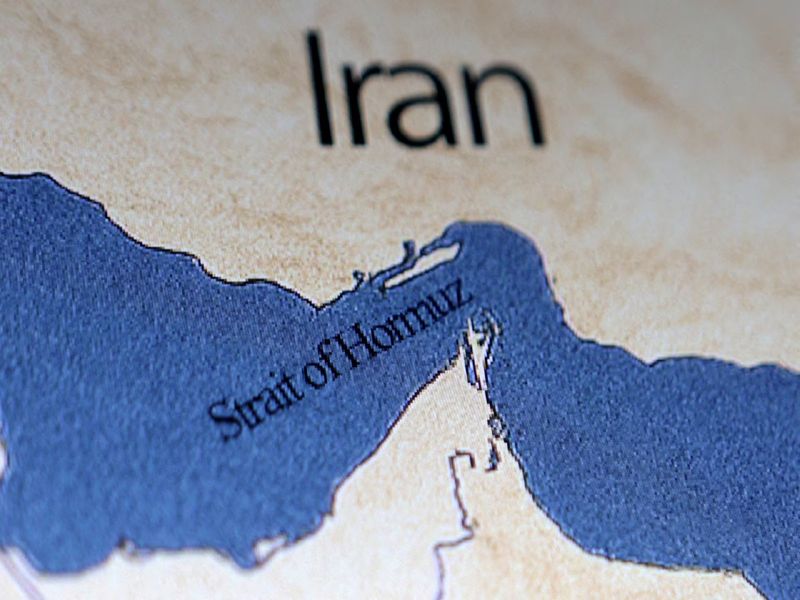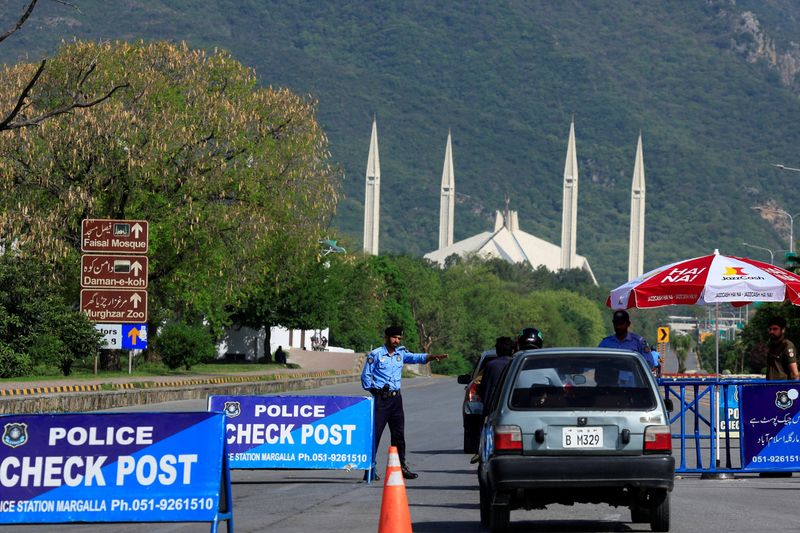

The US and Iran are headed for a second round of peace talks scheduled to be held in Islamabad on Tuesday, even as US President Donald Trump has threatened Tehran that Washington will destroy all civilian infrastructure if it doesn’t accept the terms of the deal being offered by it.The two-week ceasefire ends on Wednesday and the previous round of talks in Islamabad — a marathon 21-hour discussion — ended in a stalemate on April 12.Trump said on social media platform Truth Social that his representatives were going to be in Islamabad for further negotiations aiming to arrive at a peace deal to end the conflict that began on February 28.The White House said Vice-President JD Vance, who led the first round of historic face-to-face talks last weekend, would lead the delegation to Pakistan with envoys Steve Witkoff and Jared Kushner.Earlier, Trump had said the Vice-President would not go to Pakistan as the US Secret Service could not arrange to accompany Vance there on such a short notice. On the talks, Trump said, “We’re offering a very fair and reasonable deal, and I hope they take it because, if they don’t, the US is going to knock out every single power plant and every single bridge in Iran.”Prior to the announcement of talks, Iranian President Masoud Pezeshkian listed that the future of Iran’s nuclear programme and the Strait of Hormuz were key sticking points in the negotiations. Tump could not justify depriving Tehran of its “nuclear rights”, he said, adding that “Trump says Iran cannot make use of its nuclear rights, but doesn’t say for what crime. Who is he to deprive a nation of its rights?”Iranian Deputy Foreign Minister Saeed Khatibzadeh said his country would not send any enriched uranium to the US and that the question was “not open for discussion”.The latest comments from the political leadership came after Iran’s Islamic Revolutionary Guard Corps (IRGC) reimposed restrictions on the Strait of Hormuz, less than 24 hours after reopening it. The reversal, it said, was due to the continuing naval blockade of Iranian ports by the US.The Iranian delegation that will arrive in Pakistan on Tuesday for talks will include Foreign Minister Abbas Araghchi and Parliament Speaker Mohammad Bagher Ghalibaf.Iranian media reported that Tehran expected a joint announcement of an extension of the ceasefire on Wednesday.Western media reported that if things went smoothly, and US President Donald Trump agreed to go to Islamabad, the Iranian President would also go there and there would be a “joint meeting of the presidents” where they would sign a joint “Islamabad declaration”.Earlier, in a nationally televised address on Saturday night, Ghalibaf said despite “progress” with the US, “many gaps and some fundamental points remain… we are still far from the final discussion”.LPG usage falls 13%India’s LPG consumption fell by a steep 13% in March as supply disruptions linked to the West Asia conflict hit availability for both household kitchens and commercial users, as per official data.Meanwhile, Iran’s IRGC issued a warning on Saturday night, threatening to attack any ship approaching the Strait of Hormuz.The key waterway, over which Tehran has maintained a tight stranglehold since the start of the war, would remain closed until the US lifted its naval blockade of Iranian ports and shipping, the IRGC said.It ordered that “no ship, of any kind, should leave its anchorage in the Persian Gulf and the Sea of Oman”, and said any ship approaching the strait “will be considered as cooperation with the enemy” and will be targeted.Earlier in the day, Trump accused Iran of violating the two-week ceasefire by opening fire on Saturday in the Strait of Hormuz.Shortly after Trump’s statement, Iran’s foreign ministry said the US naval blockade on Iranian ports was a violation of the ceasefire as well as an “unlawful and criminal” act.“The US’ so-called blockade of Iran’s ports or coastline is not only a violation of the Pakistani-mediated ceasefire but also both unlawful and criminal,” foreign ministry spokesman Esmaeil Baqaei wrote in a post on X.“Moreover, by deliberately inflicting collective punishment on the Iranian population, it amounts to war crime and crime against humanity,” Baqaei said.