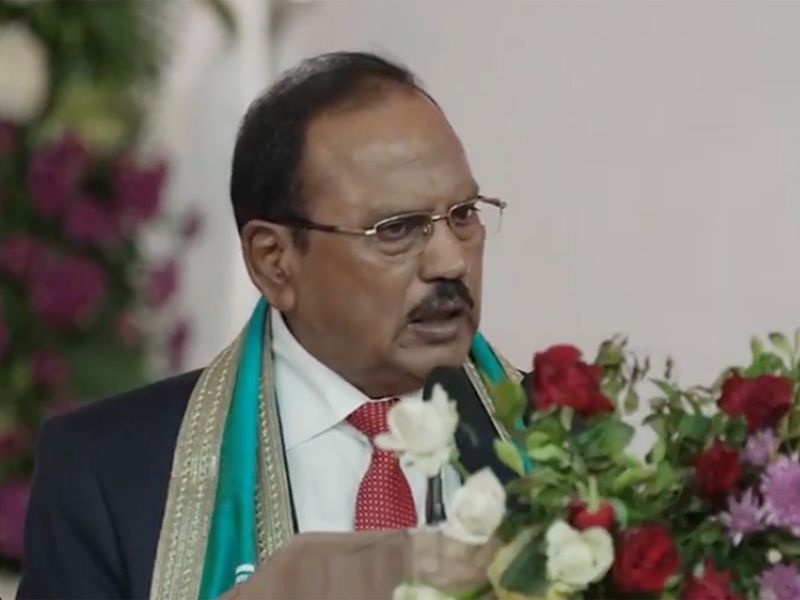

Abu Dhabi [UAE], April 26 (ANI): UAE President Sheikh Mohamed bin Zayed Al Nahyan met India’s National Security Advisor Ajit Doval in Abu Dhabi on Saturday.According to Al Jazeera, during the meeting, both sides discussed regional stability and ongoing geopolitical developments in West Asia. The meeting focused on security concerns, economic interests, and coordination amid evolving tensions in the region following the fallout of the Israel-Iran war.Earlier on April 20, Doval visited Saudi Arabia as part of India’s outreach to the Gulf. The visit, undertaken on the direction of Prime Minister Narendra Modi, included meetings with senior Saudi leadership, including ministers handling energy and foreign affairs, as well as security officials.During an inter-ministerial briefing, MEA Spokesperson Randhir Jaiswal confirmed that Doval held high-level discussions with the Saudi Energy Minister, Foreign Minister, and his security counterpart.”On the directions of the Prime Minister, our outreach to countries in the Gulf continues. National Security Advisor Ajit Doval paid an official visit to Saudi Arabia on the 19th of April. During his visit, he held meetings with the Energy Minister and the Foreign Minister of Saudi Arabia, as well as his counterpart. These meetings were helpful to exchange views on regional issues and enhance bilateral ties,” Jaiswal said.The talks were described as a critical exchange of views on regional instability and a step toward cementing bilateral ties. The discussions focused on four “key pillars” essential to the India-Saudi relationship, ensuring stable supply chains despite threats to global trade routes, addressing concerns in the Strait of Hormuz and the broader Persian Gulf, enhancing intelligence sharing and coordination and strengthening economic ties.As regional spillovers affect Lebanon, Syria, and Yemen, India has maintained a calibrated diplomatic stance. While the conflict has disrupted shipping corridors and raised humanitarian concerns, New Delhi continues to advocate for restraint from all warring parties, protection of civilians in conflict zones and dialogue-based resolution to prevent further escalation.With millions of Indian expatriates living in the Gulf and a heavy reliance on the region for energy imports, the MEA highlighted that active contact with stakeholders, including Israel, Palestine, and Iran, is essential to protect India’s “strategic and economic interests” during this unprecedented period of geopolitical realignment. (ANI)(This content is sourced from a syndicated feed and is published as received. The Tribune assumes no responsibility or liability for its accuracy, completeness, or content.)