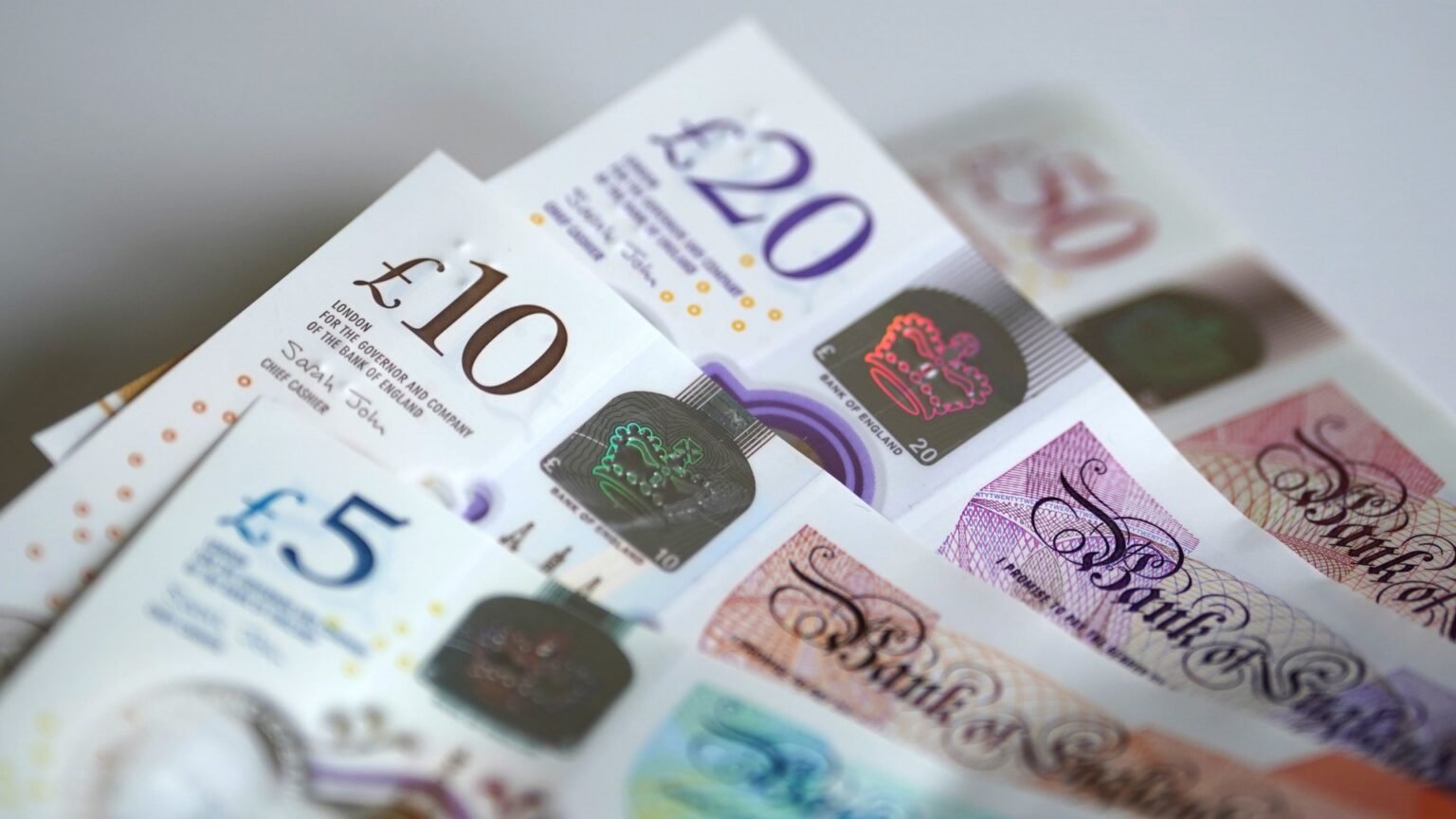


THE UK’s economic growth has slowed to just 0.4 per cent between April and June, latest official figures show.
It follows growth of just 0.1% in May, aided by a rise in the services and pharmaceutical sector helped aid the slight boost of growth.
Liz McKeown, director of economic statistics at the Office for National Statistics (ONS), which released the figures today, said: “Growth slowed in the second quarter of the year, following a strong start to 2026, but remained relatively robust.
“Services were once again the main driver of growth, while production was broadly unchanged and construction also grew.”
Sign up for the Money newsletter
Thank you!
Today’s growth of 0.4 per cent matches economists projections for the quarter, but is below the 0.6 per cent seen for the first three months of the year.
GDP is one of the main indicators used to measure the performance of a country’s economy.
REFUND TRAP
Brits warned over ‘dangerous’ new card fraud – your bank might not refund you
BETS OFF
Over 1 in 5 William Hill shops forced off high street amid punishing tax rises
When it goes up, it means the economy is doing well. When it falls, it means the economy has shrunk. But when it shows no growth it’s not great either.
Today’s figures come amid concern around disruption with the Iran war putting pressure on the global economy.
Andy Burnham was warned that the impact could echo into next year – causing the economy to barely grow.
Chancellor John Healey said: “I know people are worried about the impact of the conflict in the Middle East on their cost of living, which has been too high for too long and it has added pressure on British businesses.
“This is an active, hands-on government, putting British interests first – giving breathing space to those feeling the strain, making our country more resilient and bringing hope back.
“We’ve seen the fastest growth in the G7 this year, but we now need to double down and drive growth in every postcode.”
What it means for your money
GDP measures the economic output of companies, individuals and governments.
If it is rising steadily, but not too much, it’s a sign of a healthy and prosperous economy.
This is because it usually means people are spending more, the Government gets more tax and businesses get more money which then means pay rises for workers.
When GDP is falling, it means the economy is shrinking which can be bad news for businesses and workers who face pay cuts or even losing their job.
The Bank of England (BoE) also uses GDP and inflation as key indicators when determining the base rate.
This decides how much it will charge banks to lend them money and is a way to try to control inflation and the economy.
If GDP is low, the BoE cuts its base rate in order to encourage people to spend and invest money.
If it is higher, the BoE may keep its base rate higher in order to keep inflation in check.