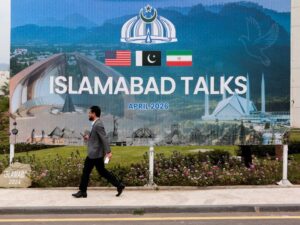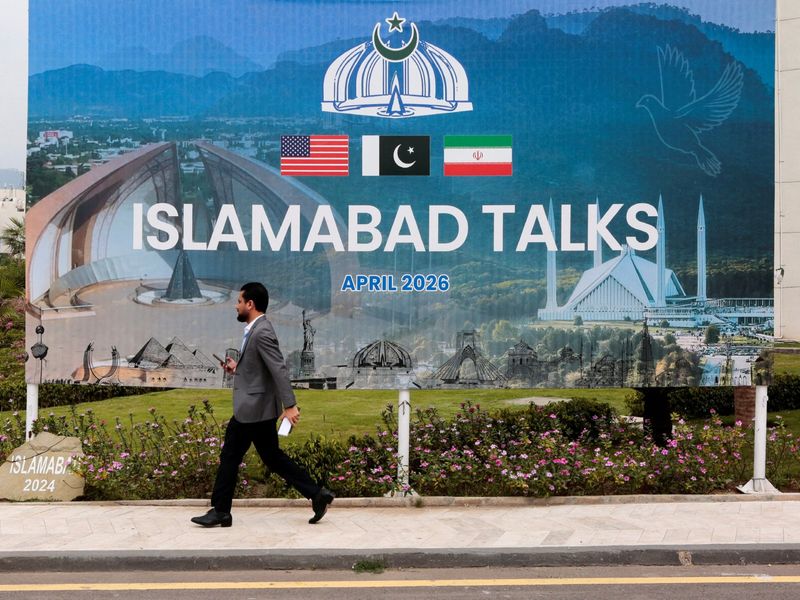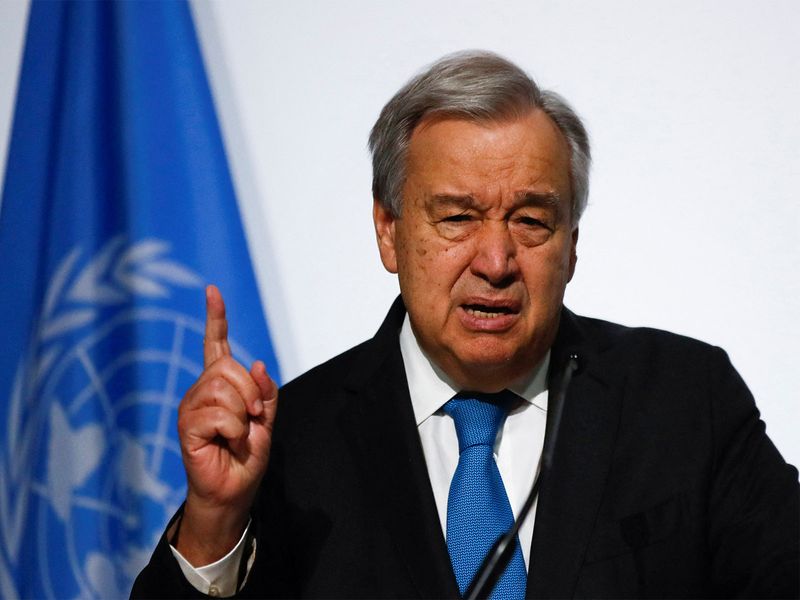

New York [US], April 21 (ANI): United Nations Secretary-General Antonio Guterres has expressed grave concern regarding the escalating restrictions in the Strait of Hormuz, calling for the “full restoration of international navigational rights and freedom of navigation”, according to a report by Al Jazeera.The statement comes as tensions in the strategic waterway continue to disrupt global maritime stability. Speaking on behalf of the Secretary-General, UN spokesperson Stephane Dujarric noted that there had been “a lot of activity” and “a lot of confusion” over the status of the strategic waterway.Al Jazeera reported that the UN chief is particularly troubled by various maritime incidents occurring over the last 48 hours. Dujarric emphasised that freedom of navigation in the Strait of Hormuz “needs to be respected by all parties”.Beyond the immediate maritime security concerns, the UN has highlighted the severe humanitarian and economic repercussions of the ongoing volatility. Dujarric reiterated the international body’s stance that “there is no military objective that justifies the wholesale destruction of civilian infrastructure or the deliberate infliction of pain on a civilian population”.The disruption is already manifesting in the global market, particularly affecting essential commodities. “About 10 percent or 10 to 12 percent of the world’s fertiliser supplies are blocked, right? We’ve seen a hike in the price of fertiliser, in the price of urea,” said Dujarric, as cited by Al Jazeera.The spokesperson further warned that the rising cost of oil and fertilisers is hindering the operational capacity of international aid organisations. “All of that is having an impact on, first of all, on UN agencies, on their capacity to plan and buy,” Dujarric added, underscoring the urgent need for a diplomatic resolution to ensure the stability of global supply chains.This urgent call for diplomacy arrives as the precarious “two-week ceasefire” between the United States and Iran rapidly approaches its expiration. Both capitals have begun issuing fresh warnings, even as diplomatic efforts shift towards tentatively planned discussions in Pakistan.The regional situation has been further aggravated by a series of confrontations within the Strait of Hormuz, a “critical global supply artery” responsible for the transit of a substantial portion of the world’s petroleum.While Tehran has periodically “restricted traffic” through the strategic passage, American naval forces have “intercepted vessels” accused of breaching the ongoing blockade. These maritime frictions have unsettled international markets, driving oil prices significantly higher due to concerns over “prolonged disruption.”Beyond the central US-Iran conflict, the broader Middle East remains in a state of high alert. A new round of US-mediated talks between Israel and Lebanon is scheduled to begin, despite “sporadic violence” persisting regardless of a “separate ceasefire” involving Hezbollah.Amidst this widespread volatility, European leaders have renewed their calls for de-escalation. French President Emmanuel Macron has specifically criticised the recent manoeuvres within the waterway, describing the tactical escalations by both nations around Hormuz as “a mistake”. (ANI)(This content is sourced from a syndicated feed and is published as received. The Tribune assumes no responsibility or liability for its accuracy, completeness, or content.)