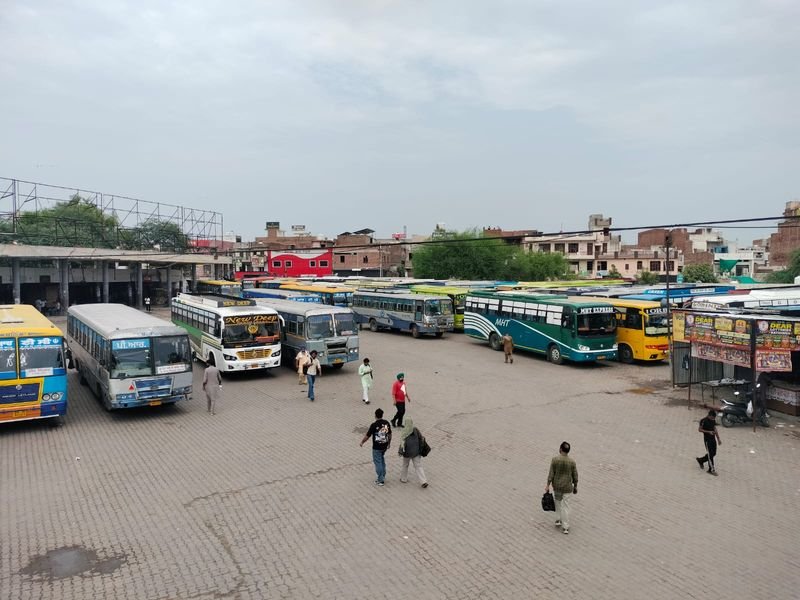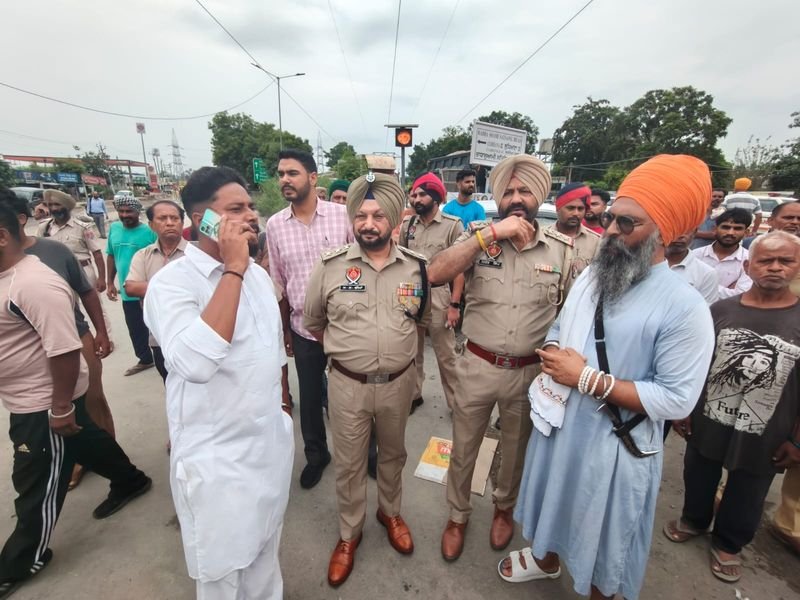

The Qaumi Insaaf Morcha (QIM) is a Sikh advocacy platform that has been holding a continuous sit-in at Sector 52-53 in Chandigarh and adjoining YPS Chowk in Mohali. It brings together families of jailed Sikh prisoners, Nihang groups, panthic organisations and farm bodies. Its protest site also runs a community kitchen for those staying there.Who runs it?The morcha’s public face has largely been Gurcharan Singh, father of Jagtar Singh Hawara, along with leaders Dilsher Singh and Balwinder Singh, who have addressed press conferences on its behalf. Tarsem Singh, father of Khadoor Sahib MP Amritpal Singh, and former Jathedar Giani Harpreet Singh are also among its key organisers.Office-bearers named in a joint statement include General Secretary Gurpratap Singh Wadala, Senior Vice-President Sucha Singh Chhotepur, Prem Singh Chandumajra and Youth Wing President Gurjit Singh Talwandi.The morcha has also received support from panthic and political figures, including Waris Punjab De leader Manpreet Singh Ayali, as well as the Shiromani Gurdwara Parbandhak Committee, the Sanyukt Kisan Morcha and the Kisan Mazdoor Morcha. Its convener Sarwan Singh Pandher has backed its calls.What are its demands?The morcha is seeking the release of Sikh prisoners who have completed their sentences but remain incarcerated, a category it refers to as Bandi Singhs. Among those it has sought to have released are Balwant Singh Rajoana, convicted in the 1995 assassination of former Punjab Chief Minister Beant Singh, and Devinderpal Singh Bhullar, convicted in the 1993 Delhi blast case.It has also sought parole for Jagtar Singh Hawara, who is serving a life sentence in the Beant Singh assassination case, besides justice in the 2015 sacrilege and police-firing incidents in Faridkot.When did the morcha begin?The sit-in at Chandigarh and Mohali began on January 7, 2023. Since then, the morcha has periodically escalated its agitation. In January, its supporters held protests at more than a dozen toll plazas across Punjab, stopping toll collection for three hours at points including Ladhowal near Ludhiana, Azizpur in Patiala and Ferozeshah in Ferozepur.Why did it call a Punjab bandh on August 21?The bandh call followed a clash on August 15, when protesters attempting to march towards the Punjab Governor’s residence in Chandigarh were dispersed by police using tear gas and water cannons. Some protesters tried to pull down barricades with a tractor.Chandigarh Police subsequently registered multiple FIRs against morcha leaders and supporters over the incident. The August 21 bandh was called to protest the police action and FIRs and to renew pressure for the release of Sikh prisoners.Traffic remained suspended from 7 am to 2 pm. Education Minister Harjot Singh Bains, however, said government schools would remain open, even as a majority of private schools in Chandigarh and Mohali shut for the day.What was the response to the bandh?Ludhiana: Tribune reporters found a mixed response. The SAD and Waris Punjab De backed the shutdown. Senior SAD leader Maheshinder Singh Grewal said the Central Government had delayed the matter long enough. Around 800 buses stayed off the roads in support, while Congress leaders held back pending directions from the state leadership.On the ground, however, traffic remained normal on National Highway 44, Chandigarh Road and Ferozepur Road, with no major disruptions reported. Some private schools declared a holiday citing student safety, but most schools and colleges functioned as usual, albeit with lower attendance. Markets remained shut in parts of the city, with police deployed at places including Ghanta Ghar and Chaura Bazaar.Amritsar: Tribune reporters reported that all schools and colleges remained closed.Patiala: Many private schools declared a holiday in view of the bandh, while several private colleges also shut and directed students and staff to stay away for the day.