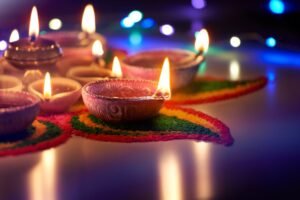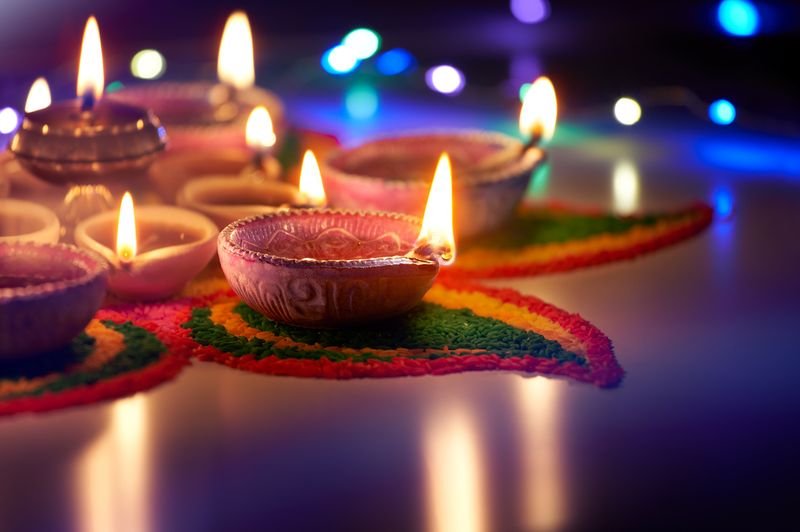

Every year, the same Diwali debate returned. Some defended fireworks in the name of culture. Others spoke about pollution, damaged lungs, frightened animals, and court restrictions. The argument became loud, much like the crackers themselves. But before choosing a side, it helped to remember what Diwali actually celebrated.Diwali was not one single festival. It was a sequence of rituals connected with wealth, food, duty, family, and accountability.It began with Govatsa, which honoured cattle and animal wealth. Then came Dhanteras, which celebrated metal, tools, gold, and silver. This was not shameful greed. It was a direct recognition that material prosperity mattered. Narak Chaturdashi connected the world below the earth with the world above it. Minerals, oil, crops, buried wealth, ancestors, and dark forces were all linked with the underground.Lakshmi Puja asked whether a home was ready to receive prosperity. Annakut and Govardhan Puja celebrated food, crops, cooking, and hospitality. A large feast showed not only devotion but also the ability to feed others. Bhai Dooj, linked with Yama, brought the festival to its final theme, the settling of accounts. What was earned? What was spent? What was shared? What remained unpaid?The lamp stood at the centre of all this. The Diwali lamp was small, quiet, and clear. It used oil, often sesame oil, and brought light into darkness. It did not frighten babies, choke old people, disturb animals, or fill hospitals with breathing problems. It made wealth visible and reminded people that whatever came from the earth had to be used responsibly.Fireworks did not belong to the earliest form of Diwali. They came much later from China and slowly became part of urban celebration. This did not automatically make them evil, but it did make the claim that crackers were the heart of ancient tradition difficult to defend.The older sound of Diwali was not endless explosions. In some places, people struck empty vessels. The meaning was simple. Let there be no emptiness in the home. Let the kitchen be full. Let the grain store be full. Let the heart be full. Drive out the silence.Not so long ago, noise itself became a sign of celebration, especially among those who believed louder meant stronger. But a ritual that damaged lungs and caused suffering created a debt, not merit.Diwali traditions also differed across India. Bengal worshipped Kali. North and western India opened new account books. Goa burned Narakasura. Kerala observed the festival less strongly. This variety showed that Indian culture was never one rigid pattern. It was a collection of local traditions.The deeper meaning of Diwali lay in examining wealth. Earlier, powerful people showed prosperity by building tanks, temples, schools, roads, and shelters. Today, wealth is often displayed through private shopping, decoration, and social media photographs, while someone else cleans the streets the next morning.Diwali should have remained an annual audit. How was money earned? Were workers paid fairly? Was food shared? Was the neighbourhood respected? Did celebration bring light to someone else’s life, or only smoke into someone else’s lungs?Diwali was never a permission slip for pollution. It was a festival of lamps, food, prosperity, generosity, and accounts. The simplest lesson was also the strongest: light the lamp, reduce the noise, avoid the smoke, and do not make another person pay for your joy.— The writer is an acclaimed mythologist