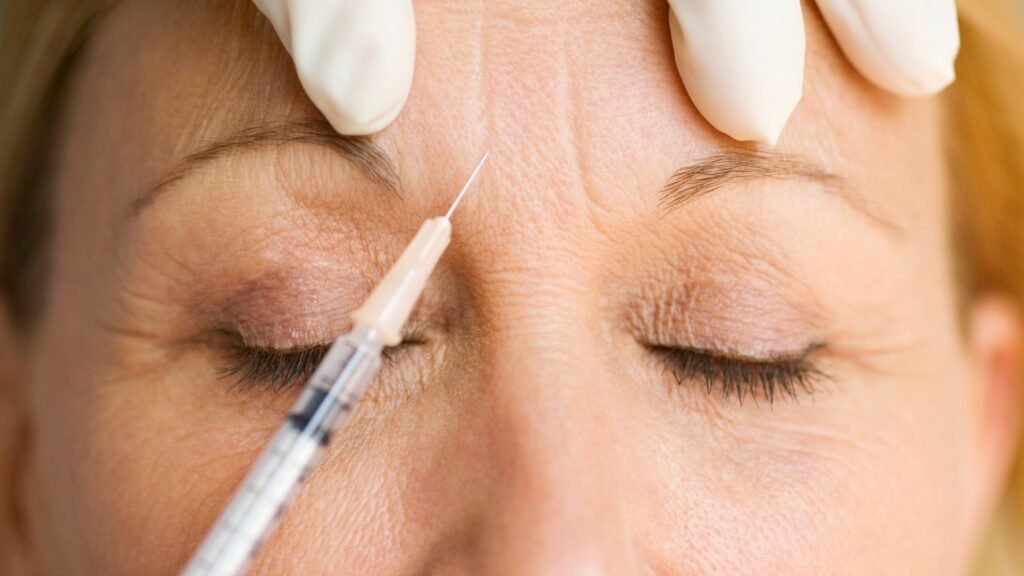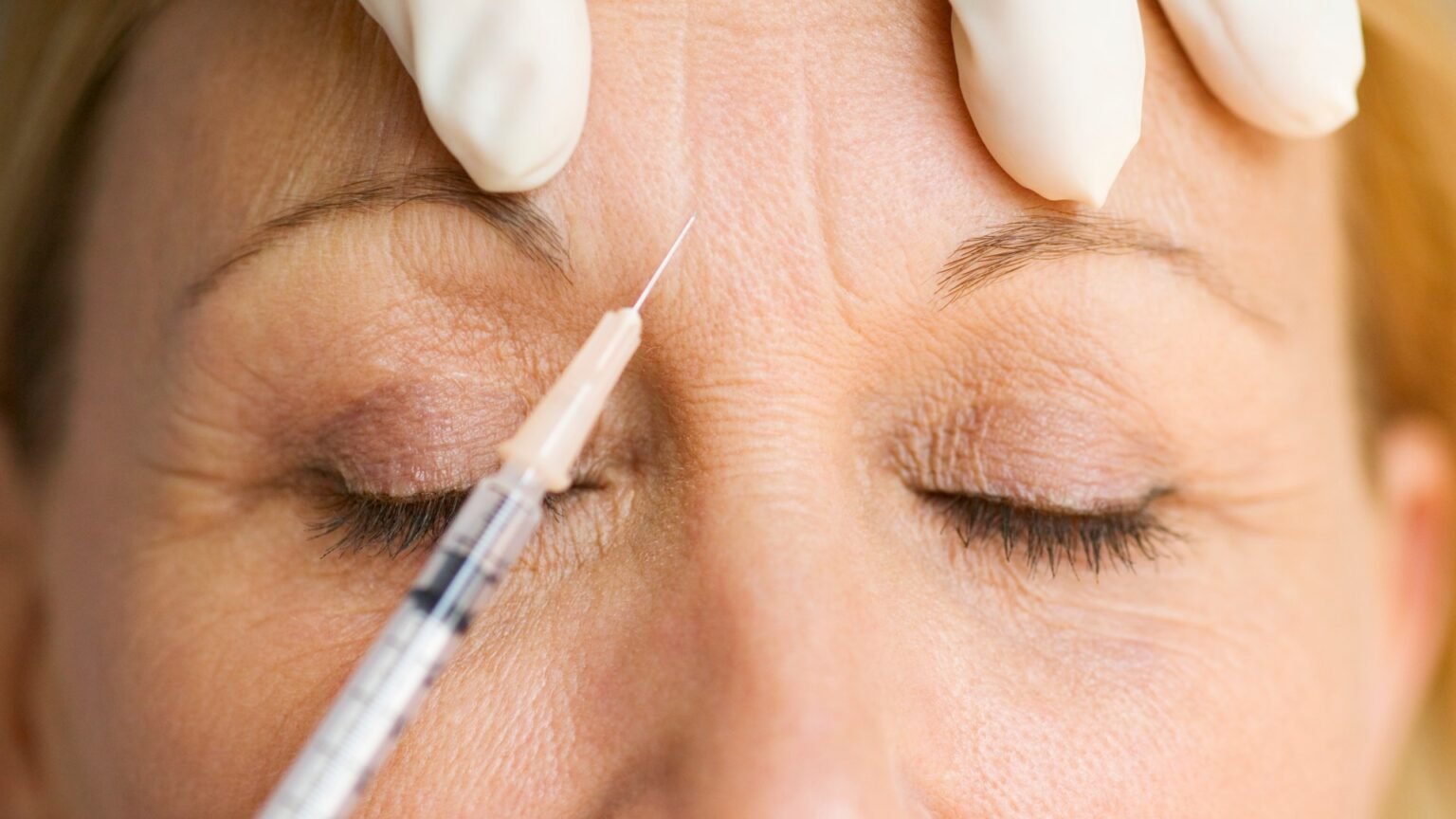


BOTOX and fillers are a mental health red flag and clinics should check customers’ state of mind before injecting, the medical watchdog says.
The National Institute of Health and Care Excellence said doctors, dentists and dermatologists must look for signs of obsessive compulsive or body dysmorphic disorders.
Experts have warned that Botox and fillers are a mental health red flag and clinics should check customers’ state of mind before injecting Credit: Getty
Docs must look for signs of obsessive compulsive or body dysmorphic disorders Credit: Getty
Experts warn the industry is out of control with unqualified chancers and gangs cashing in on demand for cosmetic work by offering it in back rooms and barbershops.
It means potentially deadly complications and side effects are on the rise.
Sign up for the Health newsletter
Thank you!
NHS regulator Nice said medics should check up on people who say they want to change their appearance.
It estimates one in 50 Brits – two per cent – have body dysmorphia that makes them obsess over trying to fix the way they look.
SENIOR SIREN
Science keeping Salma Hayek looking fab at 60 including not washing her face
NAT HAD WORK
I spend £6k a month on my natural looks – but I refuse to get Botox or filler
That surged to nearly one in five – 19 per cent – among those paying for plastic surgery.
A further 1.2 per cent of people – one in 83 – are thought to have OCD.
Some experts say people can become addicted to changing their appearance.
Eric Power, a director at Nice, said: “These conditions are often misunderstood and difficult to talk about because of embarrassment, shame or fear of being judged.
“Earlier identification can help people receive care rather than waiting until symptoms reach crisis point.”
In draft advice Nice said doctors, dentists and nurses should be alert to less obvious mental health warnings and either quiz patients themselves or refer them to an expert.
This should include those offering cosmetic procedures like Botox, fillers, facelifts, boob jobs, tummy tucks and bum lifts.
It also said patients experiencing anxiety or depression should be assessed for OCD and BDD.
More than 30,000 people, mostly women, have cosmetic procedures in the UK each year from registered doctors.
Thousands more pay for them on the black market or travel abroad.