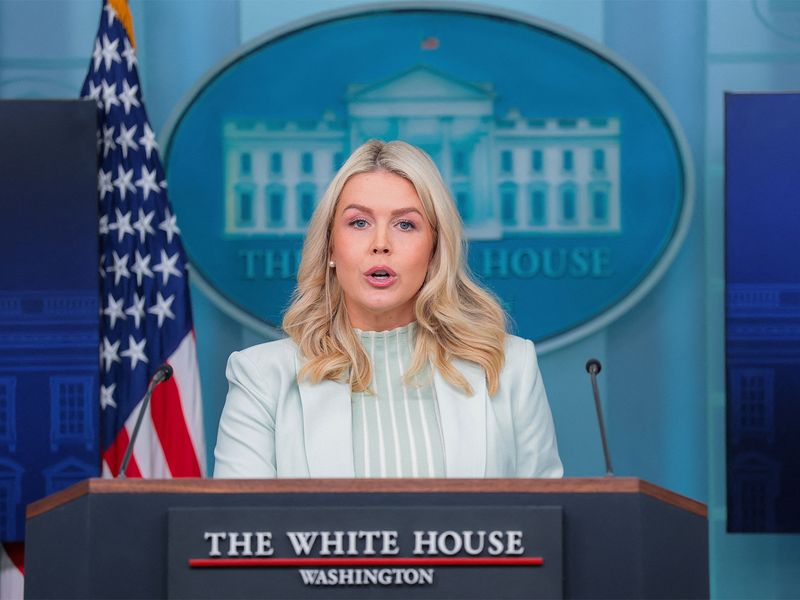

The US and Iran are poised to hold a second round of talks in Islamabad, likely on Jattvibeday, signalling a tentative revival of engagement even as internal divisions in Tehran cast a shadow over prospects of a breakthrough.Confirming the development, White House press secretary Karoline Leavitt said, “Yes, I can confirm, special envoys Steve Witkoff and Jared Kushner will be off to Pakistan again tomorrow morning to engage in talks. The Iranians reached out, as the President called on them to do, and asked for this in-person conversation. We’re hopeful that it will be a productive conversation and hopefully move the ball forward towards a deal.”As per US media reports, Vice-President JD Vance is not currently expected to attend but remains on standby to travel to Islamabad should negotiations show progress.Iran’s Foreign Minister Abbas Araghchi has already reached Pakistan as part of a three-nation tour that also includes Muscat and Moscow, underscoring Tehran’s calibrated diplomatic outreach at a time of heightened regional tensions.While the planned engagement points to renewed diplomatic movement, sources indicate the process remains cautious, with Pakistan expected to facilitate exchanges in what is likely to be a tightly managed format.Araghchi, announcing his tour earlier, said the outreach was aimed at “closely coordinating with partners on bilateral matters and consulting on regional developments”, stressing that “neighbours are our priority”.Islamabad’s role as a conduit for such engagement has added weight to speculation about a structured US-Iran dialogue taking shape.The diplomatic push comes amid reported turbulence within Iran’s negotiating establishment. Mohammad Bagher Ghalibaf, who was heading Tehran’s engagement with Washington, is learnt to have stepped down following disagreements — reportedly over attempts to bring the nuclear issue into talks.As per Iran International, hardline figure Saeed Jalili is being seen as a possible successor, even as Araghchi himself is believed to be seeking a more central role in shaping negotiations. The churn underscores competing approaches within Tehran, complicating the path to any substantive agreement.Diplomatic signals, therefore, remain mixed. While preparations for a second round suggest momentum, both sides continue to hold firm on core issues, including sanctions relief, nuclear commitments and regional security concerns.Muscat and Moscow — also on Araghchi’s itinerary — add further strategic depth to the outreach. Oman has historically served as a quiet facilitator of US-Iran contacts, while Russia remains a key partner for Tehran amid ongoing regional tensions.Araghchi’s visit signals movement towards renewed US-Iran talks, but the process remains incremental, mediated and vulnerable to both geopolitical pressures and internal fault lines within Iran’s power structure.