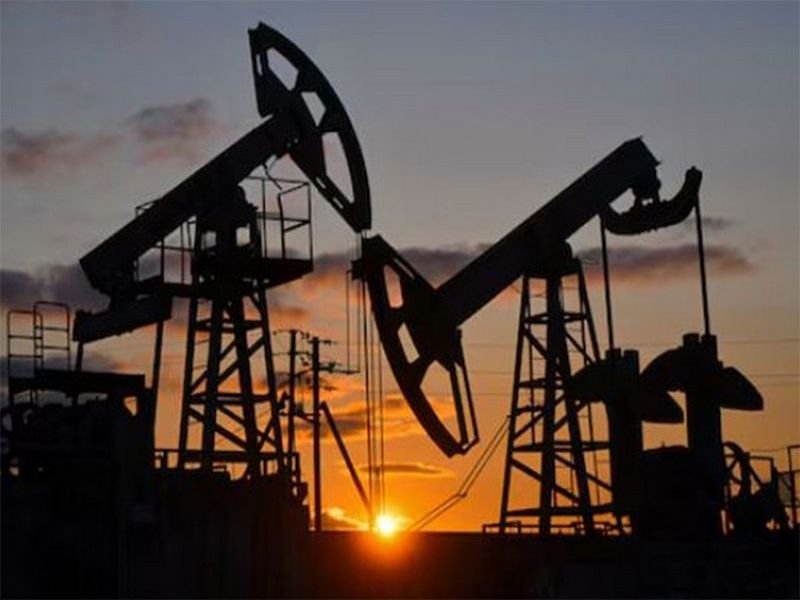

Washington DC [US], August 23 (ANI): US Energy Secretary Chris Wright on Saturday (local time) said American oil and gas workers have pushed production to an all-time high, making the United States the world’s largest producer of oil and natural gas.”American oil and gas workers have driven production to an all-time high, making the U.S. the world’s largest producer of oil and natural gas,” Wright said in a post on X.He credited US President Donald Trump’s energy policies for strengthening domestic production and reducing costs.”Thanks to @POTUS’ agenda, we’re building on that success–unleashing American energy, strengthening our economy, and lowering costs,” Wright said.American oil and gas workers have driven production to an all-time high, making the U.S. the world’s largest producer of oil and natural gas.Thanks to @POTUS’ agenda, we’re building on that success—unleashing American energy, strengthening our economy, and lowering costs. pic.twitter.com/6SGppOMt3q— Secretary Chris Wright (@SecretaryWright) August 22, 2026Wright’s remarks came amid continued tensions over energy supplies and the Strait of Hormuz, a key global oil transit route, where Washington has been working to maintain the flow of crude and petroleum products.Earlier in the day, Wright said more than 15 million barrels of oil and petroleum products were moved through the Strait of Hormuz with assistance from the US military on Tuesday, while total shipments leaving the region, including volumes transported through pipelines, approached 20 million barrels.In a post on X, Wright said the seven-day average of oil leaving the Strait had risen above 8 million barrels per day and credited the US Navy for supporting the movement of energy supplies.”Make no mistake, thanks to the U.S. Navy, oil is flowing through the Strait of Hormuz,” Wright said.The developments come amid a standoff between Washington and Tehran, with diplomatic efforts to resolve tensions remaining stalled. The US has increased economic pressure on Iran, including threats of tougher sanctions, while Tehran has said it wants an agreement but has rejected conditions it considers unacceptable.The uncertainty has affected global oil markets. Brent crude ended the week at around $94.39 a barrel, gaining 6.6 per cent over the week, while WTI settled at $87.06.The price rally comes despite evidence that more oil is finding a route out of the Gulf. Traders remain concerned that current flows depend heavily on military support and could be vulnerable to renewed escalation.The stakes are high because the Strait of Hormuz is one of the world’s most important energy chokepoints. Any sustained disruption could tighten global supplies rapidly, particularly as Iranian exports have already fallen sharply.For oil markets, therefore, the key question is not simply how much crude is moving today, but whether those flows can be sustained without continued military intervention. A breakthrough in US-Iran talks could ease the geopolitical premium, while renewed disruption around Hormuz could push crude prices higher. (ANI)(This content is sourced from a syndicated feed and is published as received. The Tribune assumes no responsibility or liability for its accuracy, completeness, or content.)