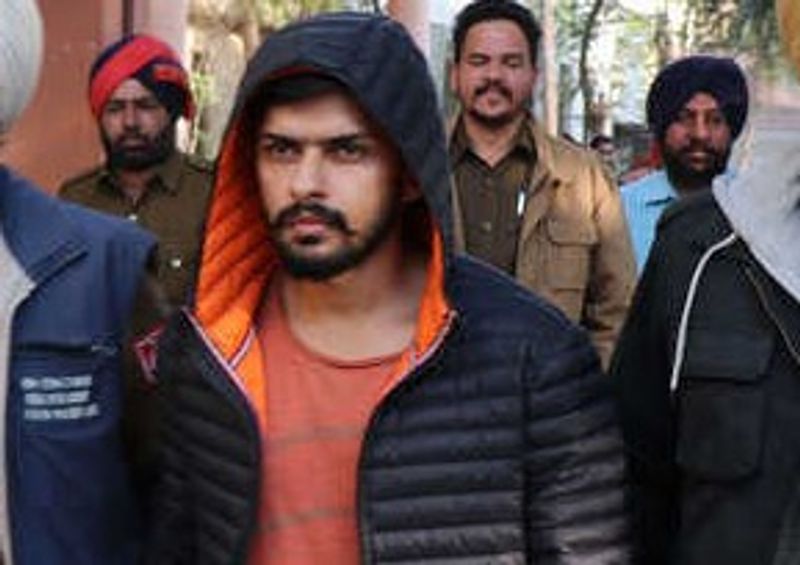

Giving an interesting peek into the structure of the organised crime group led by Lawrence Bishnoi, who has been indicted by the US Justice Department along with his associates Goldy Brar and Rohit Godara, court documents obtained by The Tribune reveal that membership within the syndicate was “decentralised”.With the exception of its leaders, members and associates of the Bishnoi group often had limited information about one another’s identities and backgrounds, the documents say. This decentralised structure created a level of separation between the Bishnoi group and the crimes committed by its members and associates. It also protected the enterprise and its members from criminal liability in the event of a member getting arrested for a crime and then deciding to cooperate with law enforcement agencies, the documents further reveal.Betrayal against the syndicate came at the risk of one’s own life and also of one’s immediate family members, the US Justice Department has revealed in its indictment.Leaders within the Bishnoi group, including Goldy Brar and Rohit Godara, used the syndicate’s resources, including its vast membership ranks and deep connections within India, to obtain information about the family members of associates living in India.Syndicate members understood that if they were disloyal to the enterprise, other Bishnoi associates would kill or otherwise harm them or their family members, particularly those located in India, records state.Bishnoi group members threatened to kill or harm, and in some cases did kill or harm, other members and their family members who were suspected of cooperating with law enforcement agencies or were otherwise perceived to be disloyal.