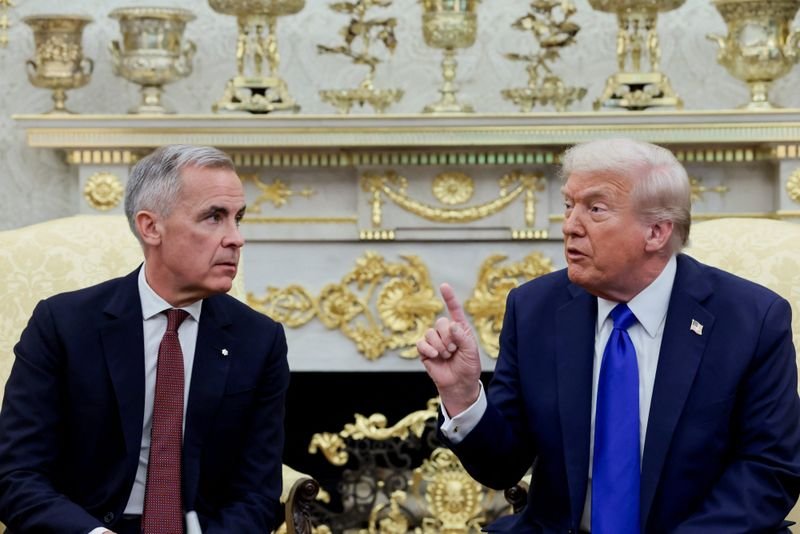

The Trump administration has described tariffs as a key instrument of US economic and national security policy, saying the newly enacted Russia-Iran sanctions law reflects growing bipartisan support for using trade measures to protect American interests and push towards an end to the Russia-Ukraine war.US Trade Representative Ambassador Jamieson Greer said President Donald Trump had used tariffs since his first term to “promote the national interest” and that Congress had earlier this week granted the President significant new tariff authority.The remarks came after the US enacted the Russia-Iran sanctions law, which has raised concerns in countries that maintain significant economic and energy ties with Russia.For India, the legislation is particularly relevant because of its provisions allowing the US President to impose tariffs of up to 100 per cent on goods from countries meeting specified conditions relating to purchases of Russian oil and gas.Greer said the move marked the first time since 1974 that Congress had granted such broad tariff authority to the President, calling it a “critical tool” to hold trading partners accountable and help bring an end to the Russia-Ukraine war.“The signing of the Lindsey O. Graham Sanctioning Russia and Iran Act demonstrates the growing bipartisan recognition that tariffs are an effective tool to safeguard our economic and national security and establish lasting peace and prosperity,” Greer said.The legislation, signed into law by President Trump on September 19, expands statutory sanctions, tariffs and prohibitions relating to Russia and extends existing sanctions on Iran.Greer linked the legislation directly to the administration’s broader use of economic pressure, saying the law would help close off resources supporting the war.He also invoked the legacy of Senator Lindsey Graham, after whom the legislation is named, saying Graham understood that “economic security is national security”.Greer said the legislation bearing Graham’s name honoured his legacy by closing off “vital resources” fuelling what he called the “terrible war”.The comments underline the Trump administration’s framing of tariffs not merely as a trade instrument but also as a tool of wider economic and national-security policy.Greer had visited India three months ago for bilateral trade agreement talks. At the time, he had said he expected the US-India relationship to reach “higher levels with every passing week”.New Delhi has said it has repeatedly raised the potential implications of the US measures with Washington and would take all necessary steps to protect its trade and economic interests.Greer’s latest comments suggest that the Trump administration sees the expanded tariff powers as an important component of its strategy to use economic pressure to pursue both US economic interests and broader foreign-policy objectives.