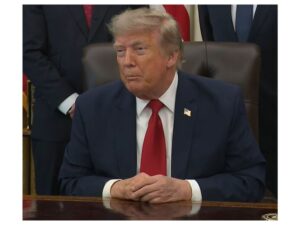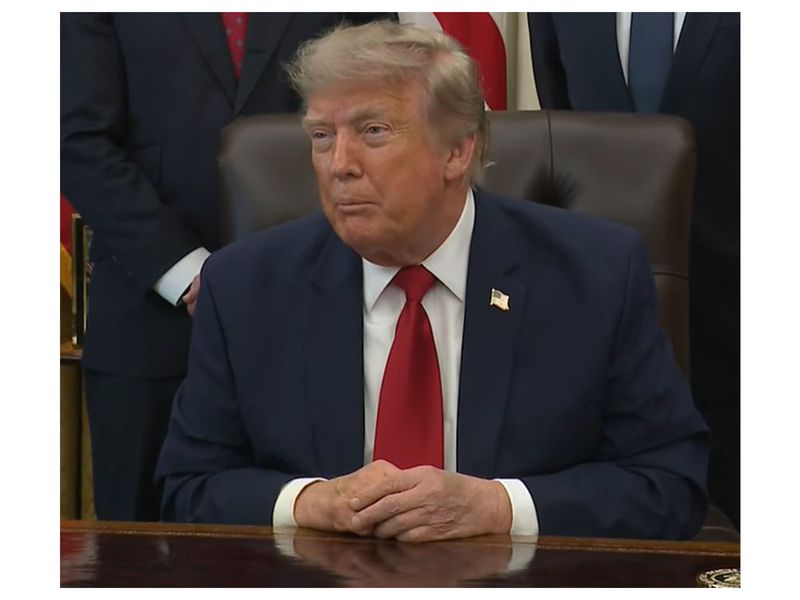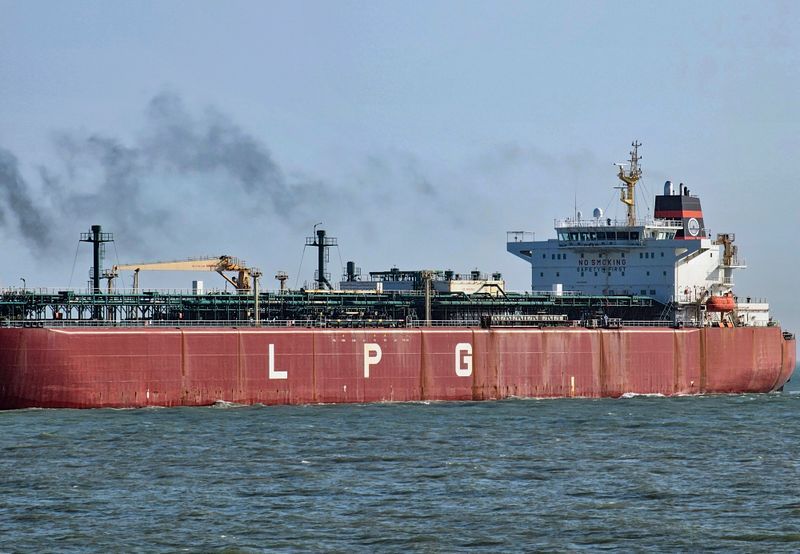

US President Donald Trump on Monday said he would probably “take over” the Strait of Hormuz and the US should be “reimbursed for controlling” the vital waterway by way of a 20 per cent toll on eligible cargo.The development comes as the two countries witnessed their fourth round of military aggression last night, triggering fears that the peace MoU signed between them on June 17 is effectively dead and that West Asia is headed for another crisis.In an interview to Fox News on Monday, Trump said, “We’re going to keep the Strait, and we’ll probably run it. We’ll become the guardian of the Strait of Hurmuz. Maybe we’ll call it the ‘guardian angel of the Strait’. And we should be reimbursed for that.”Later, Trump posted on social media, saying: “As a matter of fairness, the US will be reimbursed at a rate of 20 per cent on all cargo shipped for any country and all costs incurred in providing safety and security in this very volatile part of the world. The process and arrangements will begin immediately.”The Ministry of External Affairs was yet respond to this development.Immediately after Trump’s announcement, international crude oil prices jumped by 5 per cent, with benchmark Brent rising to $80 per barrel.Following the US-Iran conflict, India diversified its crude import basket. West Asia’s share in India’s crude imports fell to around 22 per cent in June, according to Kpler data, down from 60-70 per cent before the Iran conflict.India is now sourcing larger volumes of crude from Russia, the US, Venezuela and West Africa. However, with crude oil prices rising again, it would add pressure on India’s dollar-linked crude purchases from sources outside West Asia.Nevertheless, the proposed fee, if it is actually enforced, is likely to impact the supply chain.Over 50 per cent of India’s LNG imports and between 35 per cent and 50 per cent of its crude oil imports pass via the Strait. The landed cost of these vital fuels is promptly raised by a 20 per cent toll plus increased maritime war-risk insurance premiums.The big bulk of India’s imports of raw materials and fertiliser come from the Gulf. The Persian Gulf’s supply chain bottlenecks could drive up the price of agricultural inputs.Various shipping routes, including sailing via the Cape of Good Hope, increase baseline freight prices by up to 30 per cent and extend maritime transit times by 10 to 15 days.India’s overall wholesale and retail inflation is also expected to rise due to increased transportation and raw material prices. (With inputs from Aditya Rangroo)