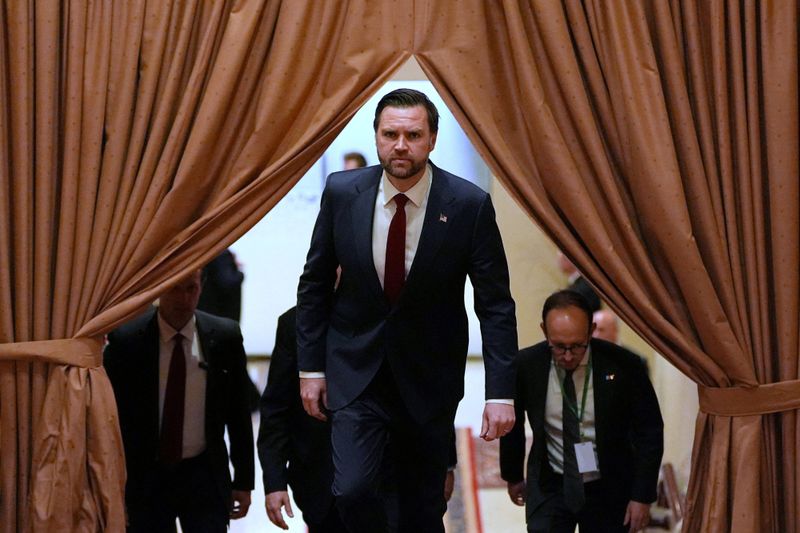

US Vice-President JD Vance and a high-level American delegation are en route to Pakistan for the next round of negotiations with Iran, even as Tehran has signalled reluctance to participate following the US blockade of the Strait of Hormuz.The New York Post reported that the delegation, including special envoy Steve Witkoff and senior adviser Jared Kushner, is expected to arrive in Islamabad “within hours”.“We’re supposed to have the talks… I would assume at this point nobody’s playing games,” US President Donald Trump told the publication in a brief interview, downplaying concerns that negotiations could collapse. He also indicated willingness to meet senior Iranian leaders if a breakthrough is achieved.The development comes amid renewed diplomatic churn around the Iran file, though prospects for immediate progress remain uncertain. The current two-week ceasefire is set to expire on Wednesday, adding urgency to backchannel efforts.The previous round of talks in Islamabad — a marathon 21-hour engagement — ended in a stalemate on April 12, with both sides failing to bridge key differences.Iran has since hardened its public stance. Foreign Ministry spokesperson Esmaeil Baghaei said Tehran currently has no plans to join the next round of negotiations, asserting that US conduct “does not indicate seriousness in pursuing a diplomatic process”.Despite the impasse, Islamabad remains central to mediation efforts. Pakistan’s establishment has maintained active communication channels with both Washington and Tehran, positioning itself as a critical intermediary in efforts to stabilise the situation.The latest diplomatic push is being viewed as part of a broader attempt to de-escalate tensions and revive a workable framework for engagement. The outcome of the talks — if they proceed — could shape the next phase of US-Iran diplomacy, including the possibility of direct political-level intervention in the event of a breakthrough.