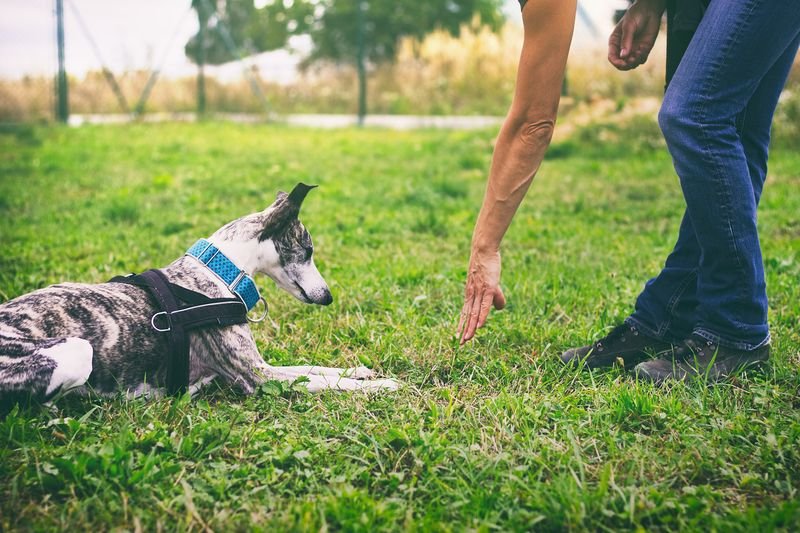

Volunteer dog-handler-teams could be trained to locate invasive alien species in the wild with up to 75 per cent accuracy, according to a study.Invasive alien species are animals, plants and microorganisms introduced by humans, intentionally or accidentally, outside their natural habitat, where they harm native biodiversity, the economy or humans.Researchers, including those from Helmholtz-Centre for Environmental Research-UFZ, Germany, said that measures to combat invasive species are costly and time-consuming, and a lack of effective, early detection methods has limited ecologists’ ability to control colonisation in new locations.The study, published in the journal PLOS One, evaluated the feasibility of a volunteer dog-handler training programme, analysing the factors associated with successful training outcomes.Between 2021 and 2023, the team trained 31 dogs and their owners to detect three invasive plant species. The training culminated with a field test of the dogs’ ability to locate the target species in the wild.Of the 12 teams that completed the field test, 11 teams passed, with an average detection success rate of 75 per cent. From the feasibility study, the researchers developed a set of recommendations to improve effectiveness of future, similar projects to improve volunteer selection and coordination, dog training, and initial deployments.“The (study’s) results show that it is generally possible to train volunteer WDD (wildlife detection dogs) teams to detect invasive alien plants, enabling dogs to identify target species reliably,” the authors wrote.Trained volunteer dog-handler teams have a real potential to support the early detection of invasive plants, they said.“By combining dogs’ remarkable sense of smell with the enthusiasm of citizen scientists, we could expand monitoring efforts—provided that teams receive appropriate training and expert guidance,” the team said.With the right training, everyday walks with dogs could become an additional resource for detecting invasive plants early, they added.