

THE war in the Middle East could wipe out ten billion meals a week — and drive up food prices worldwide.
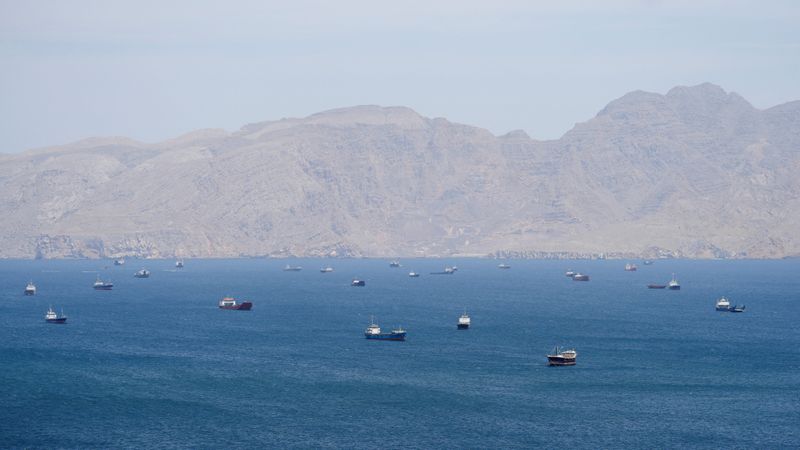
The block to shipping in the Strait of Hormuz has choked off fertiliser supplies and food production has already been hit.
Sign up for the Money newsletter
Thank you!
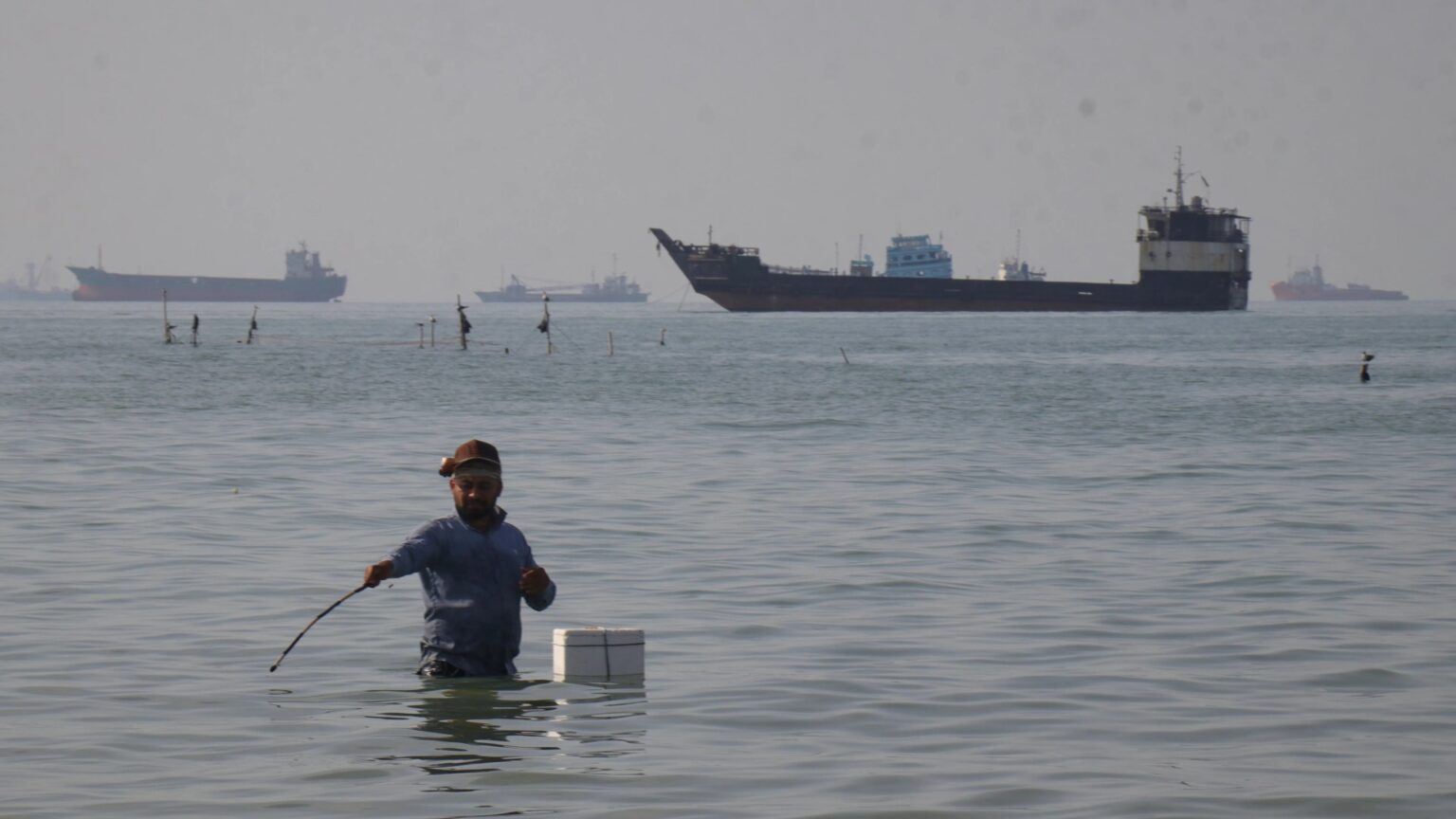
The Strait of Hormuz shipping block has choked fertiliser supplies, hitting global food production Credit: AP
Higher costs for farmers and producers are likely to be passed on at the checkout in coming months Credit: EPA
Svein Tore Holsether, boss of fertiliser giant Yara International, said 500,000 tons of nitrogen fertiliser, which can increase some yields by 50 per cent, had not been produced globally because of the conflict.
He told the BBC: “What does that mean for food production?
“I would get to up to ten billion meals that will not be produced every week as a result of the lack of fertilisers.”
He said the squeeze could spark a global bidding war for food as countries scramble to secure supplies, pushing prices higher across the board.
HIGH STEAKS
Full list of 197 restaurants shutting in UK as TWO pub chains set to disappear
CRUNCH TIME
Kellogg’s axes iconic breakfast cereal that shoppers ‘absolutely love’
He said while Europe may be “robust enough to handle” such a situation it would be “buying the food away” from poorer nations.
The UN reckons around a third of the world’s fertilisers, such as phosphates and potash, pass through the strait.
Prices have soared around 80 per cent during the conflict and the UK depends heavily on imported nitrogen fertiliser.
Higher costs for farmers and producers are likely to be passed on at the checkout in coming months.
The Food and Drink Federation has warned food inflation could hit ten per cent by December.
The Bank of England expects it to reach 4.6 per cent as soon as September.