

TUBERCULOSIS (TB) cases are on the rise, fuelling fears England may see a resurgence of the Victorian-era illness.
Figures show one person now dies every week in England with undiagnosed and untreated TB.
Sign up for the Health newsletter
Thank you!
Rates of the bacterial infection, spread by coughing, are at a 10-year-high, with 9.4 cases per 100,000 people in 2024 Credit: Getty
Rates of the bacterial infection, spread by coughing, are at a 10-year-high, with 9.4 cases per 100,000 people in 2024.
It means the rate is only just below the World Health Organization’s (WHO) “low incidence country” threshold of 10 cases per 100,000.
Experts, who stressed that “collective action” was needed to tackle the rise in cases, fear the threshold will be breached when 2025 figures are published.
They also urged Brits not to dismiss all coughs and fevers as flu or Covid.
READ MORE ON TUBERCULOSIS
HORRIBLE HISTORIES
From scabies to cholera – the Victorian diseases making a comeback
ON ALERT
Victorian bug spread via sex ‘set to overtake TB as world’s most deadly infection’
According to the research, published in the journal Thorax, British-born, older men were among those most likely to have TB diagnosed only after death.
This, they said, suggested that healthcare workers may be overlooking the possibility of the disease in these patients.
“As TB rates continue to rise, we need to keep asking: ‘Could this be TB?’, even in people who do not fit the usual risk profiles,” Dr Eleanor Morgan, the study’s co-author and a resident doctor at Liverpool University hospitals NHS foundation trust, added.
“If England is to eliminate TB, reducing delays in diagnosis will be essential so that fewer people miss the opportunity to receive effective treatment.”
The likelihood of postmortem diagnoses was greater in people who lived outside London and had a history of misuse of drugs or alcohol, researchers found.
The scientists also discovered that children aged under four were at higher risk, which they suggested may be linked to underdeveloped immune systems, non-specific symptoms, and challenges in getting samples from very young children for testing.
Dr Paul Cleary, a consultant epidemiologist at the UK Health Security Agency (UKHSA) and study co-author, said that cases “represent missed opportunities to identify and treat the disease earlier, as well as to prevent possible transmission to others”.
Dr Tom Wingfield, of the Liverpool School of Tropical Medicine and the paper’s senior author, added that TB was “preventable, treatable and curable”.
How can I protect myself and my children against TB?
There is a shot to protect you against tuberculosis called the BCG vaccine.
It’s given during childhood and is currently the most widely used shot globally.
It is no longer offered to secondary school kids in the UK and instead only targets young children deemed most at risk.
The NHS recommends it for the following groups:
Babies who live in areas of the UK where TB is more common
Babies and children who live with someone who has TB
Babies and children who were born or lived in a country where TB is more common
Babies and children whose parents or grandparents were born in a country where TB is more common
People aged 35 and under who are spending more than 3 months in a country where TB is more common
People at risk of getting TB through their work, such as healthcare workers who work with people who have TB
Deaths “should trigger learning, not blame, so that services can identify where opportunities were missed and prevent the next avoidable death,” he added.
TB kills an estimated 1.23million people worldwide each year, making it the biggest infectious disease killer globally.
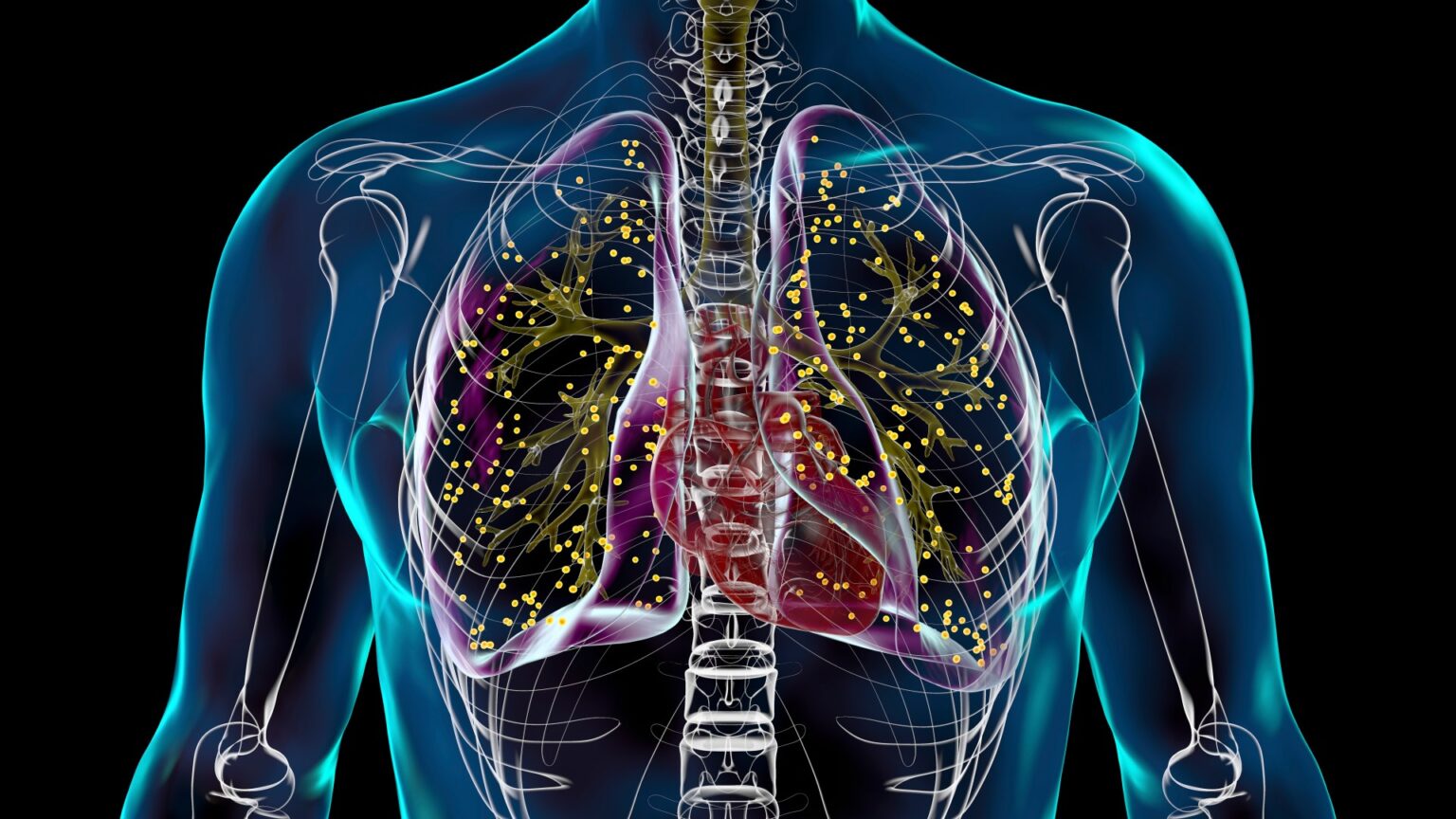
The infection is spread by the coughs and sneezes of patients and most often affects the lungs, although it can get into other parts of the body.
Early symptoms of the disease include coughs, fevers, night sweats and weight loss.
Severe tuberculosis infection can kill by destroying the organs from the inside, causing them to bleed and fill with liquid.
TB is particularly dangerous for immunocompromised people, like those undergoing chemotherapy, and for those without access to good medical care.
But in England the infection can usually be cured with antibiotics.
The BCG vaccine protects people from getting TB but is only given to those at higher risk of getting the infection.